
Thailand Etiquette 2026: Temples, Monks and the Legal Lines
Updated: 2026-08-19
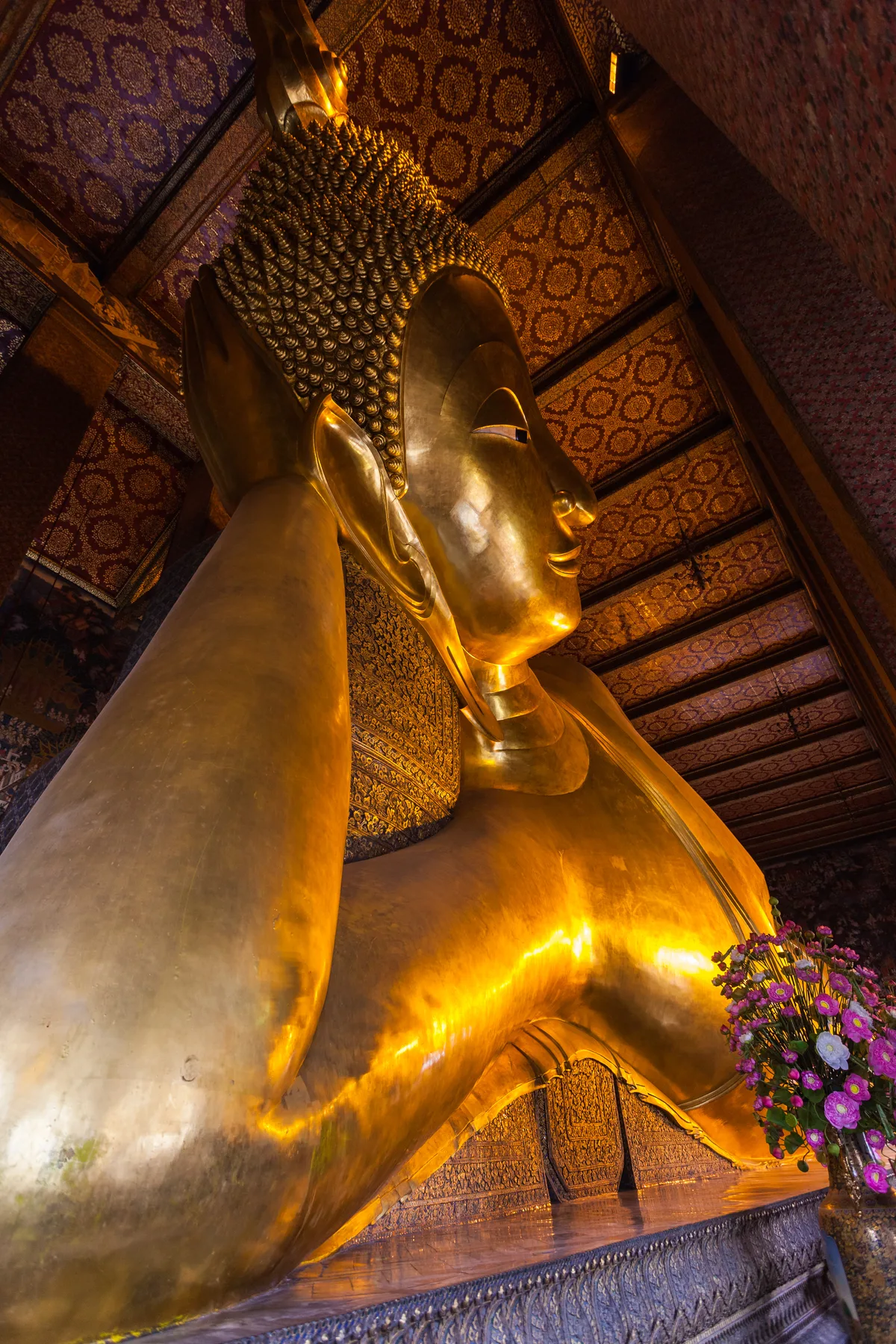
Cover your shoulders and knees, take your shoes off where everyone else has, and keep your feet pointed away from people and Buddha images. That covers most of what a visitor needs at a Thai temple. A smaller set of rules is not etiquette at all but law — the monarchy, e-cigarettes and cannabis all carry real penalties, checked against government advisories on 2026-08-16. - **Temples** → shoulders and knees covered, shoes off inside, no touching Buddha images - **Monks** → women should not make physical contact; hand items via a cloth or a man - **Legal, not optional** → do not criticise or deface images of the monarchy; vaping is banned outright
Temple Dress Code and What Happens Inside
Dress rules are enforced at the entrance, not the shrine. The Grand Palace and Wat Phra Kaew turn people away daily, and hiring a cover-up on the spot costs time you'd rather spend inside.
| Acceptable | Turned away | |
|---|---|---|
| Shoulders | Sleeves, or a scarf that stays on | Vests, spaghetti straps, bare shoulders |
| Legs | Trousers, long skirts, below-knee | Shorts, short skirts, ripped jeans |
| Fabric | Opaque | See-through, tight leggings as trousers |
| Feet | Sandals fine outside; removed inside halls | Shoes worn into an ordination hall |
- The Grand Palace charges 500 baht, opens daily 08:30-16:30, and stops selling tickets at 15:30. It is never closed for a one-day holiday ceremony, whatever a stranger outside tells you.
- Inside a hall, sit with your feet tucked behind you rather than crossed towards the Buddha image. Copying the room is a reliable guide.
- Don't climb on, lean against or pose with Buddha images. Staff will intervene, and it reads as disrespectful in a way that carries real weight.
- Photography is usually fine in courtyards and often restricted inside; check signage before raising a phone.
Heads, Feet and the Wai
Thai body etiquette follows one logic: the head is the most respected part of the body, the feet the least. Almost everything follows from that.
- Don't touch anyone's head, including children's. Affectionate hair-ruffling does not translate.
- Don't point with your feet, rest them on furniture, or step over someone sitting on the floor.
- Step over thresholds, not on them — many temples and older homes have a raised sill.
- The wai — palms together, a slight bow — is a greeting and a thank-you. Visitors are not expected to initiate one, and you never need to wai staff or children. Returning one with a small nod is enough.
- Public displays of temper land badly. Raised voices lose an argument in Thailand rather than winning it; staying calm is what actually resolves a dispute.
The Rules That Are Law, Not Manners
This section is not manners. These are laws with published penalties, and travel advisories from multiple governments carry the same warnings.
- The monarchy. Insulting the monarchy or defacing images of it — including banknotes bearing the King's image — can lead to prison terms of up to 15 years under Thai law. Travellers have been arrested over social media posts. The practical guidance is simple: treat royal images and portraits with care, don't step on dropped currency, and leave the subject alone in conversation and online.
- The royal anthem is played in some cinemas and public spaces. Stand when those around you stand.
- E-cigarettes and vaping devices are banned. Production, import or possession can bring up to 10 years' imprisonment or a fine of up to 1 million baht; buying or concealing them carries up to 5 years or 500,000 baht. Leave them at home rather than in your bag.
- Cannabis is restricted to medicinal use, requires THC below 0.2% by weight and a prescription, and public consumption is illegal. Carrying it out of Thailand is illegal and has led to arrests at airports.
- Other drug offences carry severe penalties including, at the top end, the death penalty.
If something goes wrong, the Tourist Police line is 1155; contacts and hospitals are in the Thailand emergency guide.
Everyday Situations Outside the Temples
Away from temples, Thai social norms are relaxed, and a few habits cover most situations.
- Shoes off at homes, many guesthouses, some shops and most massage places. If there's a pile of footwear at the door, add yours to it.
- Tipping is not obligatory but is normal for good service, and rounding up is common. The regional picture is in tipping in Asia.
- Ask before photographing monks and worshippers. Shooting someone mid-prayer is the most common unforced error visitors make.
- Beachwear stays at the beach. Walking through a town shirtless reads as rude rather than casual, and modest dress helps generally in smaller towns and in the south.
Letting a Guide Handle the Details
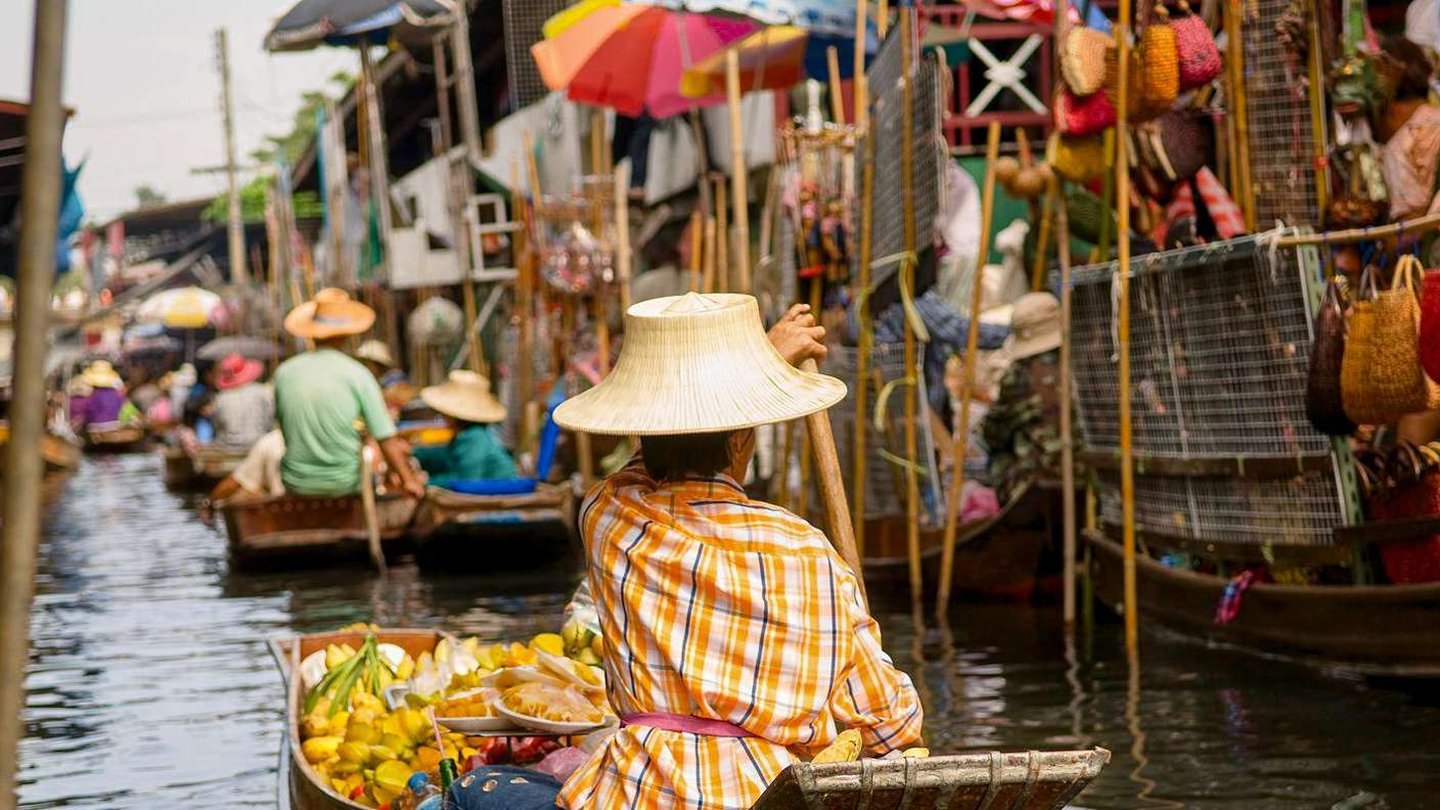
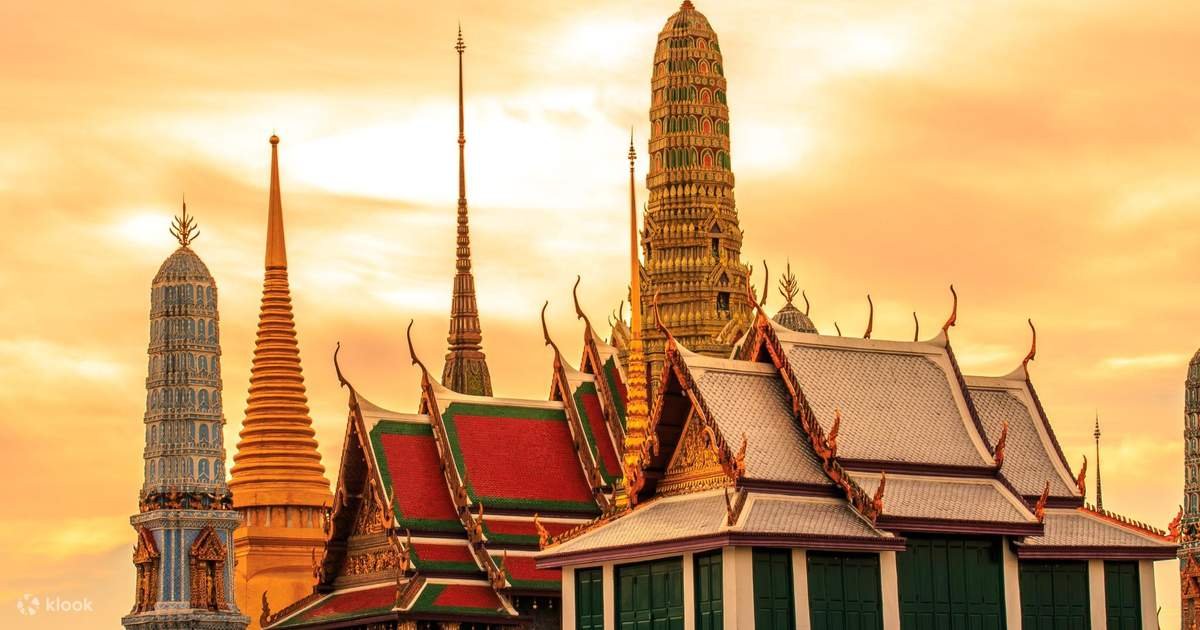
These rules are easier to follow with someone explaining the room as you walk into it. A guided temple circuit through the Grand Palace, Wat Pho and Wat Arun handles the dress checks, the ticket queues and the order of the halls, which is where first-timers lose an afternoon. A market day trip or an evening at a stadium works the same way — local conventions come with the booking rather than being something to work out on the spot. Current lowest platform prices are below.
Legal information here reflects official advisories as of August 2026 and can change. Confirm with your own government's travel advice and Thai authorities before you travel.
Compare prices for related tickets
![[Official] Muay Thai (Boxing) Match at Rajadamnern Stadium](https://img.alvin.travel/products/TH-SHOW-0001.jpg?v=hr1)
FAQ
What should I wear to a Thai temple?
Shoulders and knees covered, in opaque fabric, with shoes removed inside halls. Shorts, vests and see-through clothing are refused at the entrance of major sites such as the Grand Palace.
How much is the Grand Palace and when is it open?
500 baht, open daily 08:30-16:30 with ticket sales ending at 15:30. Anyone telling you on the street that it is closed for a ceremony is redirecting you elsewhere.
Am I expected to wai people?
No. Visitors are not expected to initiate a wai, and you never need to wai staff or children. Returning one you receive with a slight nod is entirely sufficient.
Can women interact with monks?
Women should avoid physical contact with monks, including handing objects directly. Place the item down or pass it via a cloth or a male companion; monks will often offer a receiving cloth themselves.
Can I bring a vape to Thailand?
No. E-cigarettes and vaping devices are banned, with possession carrying up to 10 years' imprisonment or a fine of up to 1 million baht according to government travel advice. Leave them at home.
Sources
- Smartraveller (Australian Government) - Thailand local laws: lese-majeste, vaping ban, cannabis rules and penalties
- FCDO (UK Government) - Thailand travel advice: local laws and customs
- FCDO (UK Government) - Thailand travel advice: safety and security
- The Grand Palace (official) - admission fee and opening hours
- Tourism Authority of Thailand - 1155 Tourist Police
More guides
- Culture & Etiquette · 2026-08-12Japan Etiquette 2026 — Onsen, Trains & Temple Rules
- Culture & Etiquette · 2026-08-04Korean Etiquette 2026 — 12 Mistakes Tourists Make
- Culture & Etiquette · 2026-07-30Tipping in Asia: What to Do in All 10 Countries (2026)
- Stay Safe & Healthy · 2026-08-18Common Scams in Bangkok 2026: The Setups That Actually Work