
Common Scams in Bangkok 2026: The Setups That Actually Work
By Alvin LimPublished Updated
views 7AI reads 32
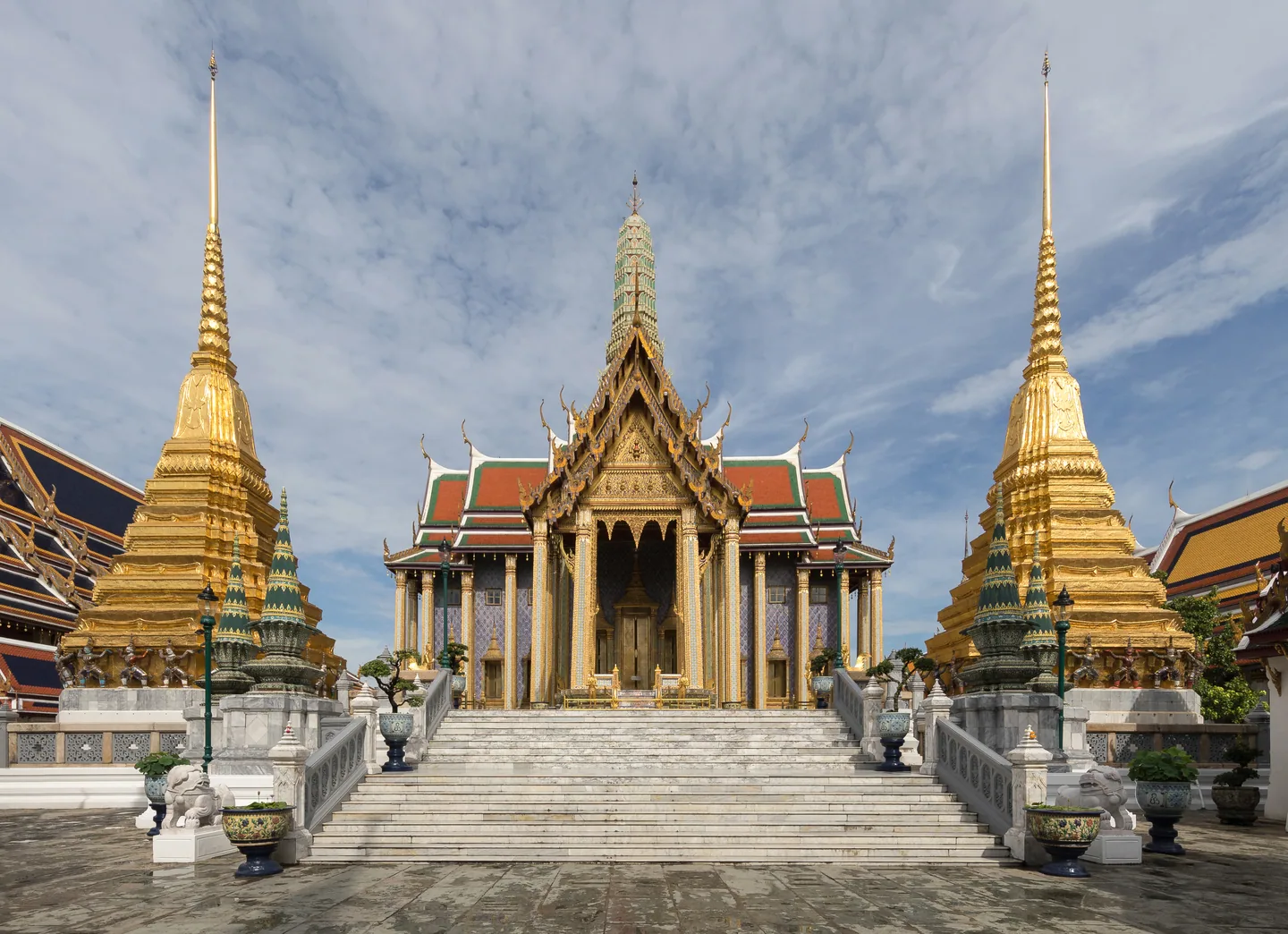
Almost every scam in Bangkok starts with a stranger claiming your destination is closed, when it isn't (the Grand Palace, for instance, is open daily 08:30-16:30 with tickets sold until 15:30). This guide covers the most common setups, checked against government travel advisories on 2026-08-16.
The Scams, and How Each One Opens
Each of these is documented in official travel advice from more than one government. The pattern matters more than the details, because the props change and the structure doesn't.
| Scam | Where it starts | The tell | What it costs |
|---|---|---|---|
| "It's closed today" | Outside the Grand Palace, Wat Pho, Wat Arun | A well-dressed stranger volunteers that the site shuts for a holiday or lunchtime ceremony | A half-day detour ending in a gem or tailor shop |
| Gem shop | The tuk-tuk that "helpfully" appears afterward | A cheap all-day tour, one "government-approved" jewellery stop | Overpriced or worthless stones, sometimes six figures in baht |
| Tuk-tuk commission tour | Anywhere near a major sight | A flat fare far below what the ride is worth | Two hours of shop stops instead of sightseeing |
| Jet ski damage claim | Beach rentals outside Bangkok | Passport requested as security | Passport withheld until you pay for pre-existing damage |
| Card skimming | Standalone ATMs and some payment terminals | Loose or bulky card slot, terminal taken out of sight | Cloned card, drained account |
| Drink spiking | Bars late at night, sometimes by new acquaintances | Drink prepared out of your sight, or left unattended | Theft, and in some cases assault |
- Universal counter: any transaction that begins with someone else's suggestion deserves a "no, thanks" by default.
- The gem scam has no legitimate version. There is no government jewellery outlet, no export licence bargain, no resale profit at home.
- Rental deposits: leave cash or a photocopy, never the passport itself. Australian and UK travel advisories both flag this specifically.
Transport: Where Most of the Friction Is
Getting around is where the friction actually happens, and the fix is dull rather than clever.
- Use the meter. A driver who refuses it and quotes a flat price is quoting a tourist rate. Walk to the next taxi — Bangkok has no shortage.
- Use the BTS and MRT where you can. Fixed fares, no negotiation, and they beat road traffic on most central journeys.
- Ride-hailing apps remove the fare conversation entirely and leave a trip record, which makes lost property easier to recover.
- Tuk-tuks are for short, fun hops, price agreed before you get in. An unusually low quote is a commission tour in disguise.
- Chao Phraya boats serve the riverside temples directly, sidestepping the street-level approach where the "closed today" pitch happens.
For fares from the airport before you land, see Bangkok airport to city.
Pickpocketing, Bags and Drinks
Bangkok is not a high-violence destination for visitors, but opportunistic property crime happens, and the countermeasures are the ordinary ones.
- Bag-snatching from motorbikes is the Bangkok-specific risk worth adjusting for. Carry your bag on the side away from the road, and don't walk with a phone held out over the kerb.
- Crowds and night markets — Chatuchak, Khao San, the Sky Train at rush hour — are where pockets get worked. Front pockets, zipped bags, nothing valuable behind you.
- Hotel safe for the passport, a photo of it on your phone, one card kept separately from the others.
- Drinks: watch yours being poured and don't leave it unattended. Several government advisories flag drink spiking, and it is not confined to one venue type.
None of this needs to make you suspicious of everyone. These setups rely on a small number of scripted openings, and once you've read them, they're conspicuous.
If It Happens: Who to Call
Report it, even when the amount is small — official numbers are what force patterns to be tracked, and insurance claims usually need a police report.
| Situation | Number |
|---|---|
| Tourist Police (English and other languages, 24h) | 1155 |
| Police emergency | 191 |
| Ambulance / medical emergency | 1669 (1724 in Bangkok) |
| Fire and rescue | 199 |
- If a shop dispute is ongoing, call 1155 before paying rather than after. The Tourist Police handle exactly this and can mediate on the spot.
- If your card is compromised, freeze it in your banking app first, then report.
- If a passport is being withheld, that is a matter for the Tourist Police and your embassy, not a price negotiation.
More detail on hospitals and embassy contacts is in the Thailand emergency guide.
Booking Ahead as a Defence
The most reliable structural defence is having your day already booked. A pre-arranged temple visit or market trip removes the moment of pavement uncertainty that the "closed today" pitch depends on, and a working data connection from the minute you land means you can check an opening time or call a ride rather than ask a stranger. Below are current lowest platform prices for options that cover exactly those gaps.
Information here reflects official advisories as of August 2026 and can change. Check your own government's travel advice and the Tourist Police before you travel.
Compare prices for related tickets

FAQ
Is the Grand Palace ever closed for a special ceremony?
No, not in the way street touts describe. It opens daily 08:30-16:30 with ticket sales until 15:30, and anyone telling you otherwise on the street is steering you somewhere else.
What is the Tourist Police number in Thailand?
1155, available 24 hours with multilingual support. Use it for scams, theft and disputes with shops or rental operators; 191 is the general police emergency line.
Should I ever leave my passport as a rental deposit?
No. Australian and UK government advisories both warn that operators can withhold a passport and demand payment for damage you did not cause. Offer cash or a photocopy instead.
Are tuk-tuks a scam in themselves?
No, but they are frequently used as one. A tuk-tuk taken for a short agreed-price hop is fine; a cheap all-day tour offered to you unprompted is almost always a commission run through gem or tailor shops.
Is Bangkok dangerous for tourists?
Not in terms of violent crime against visitors, which is uncommon. The realistic risks are financial scams, opportunistic bag-snatching and drink spiking, all of which respond well to ordinary precautions.
Sources
- Smartraveller (Australian Government) - Thailand: scams, jet ski and gem shop warnings, emergency numbers
- FCDO (UK Government) - Thailand travel advice: safety and security
- The Grand Palace (official) - admission fee, ticket sales and opening hours
- Tourism Authority of Thailand - 1155 Tourist Police
- TAT Newsroom - Tourist Police Thailand: 24-hour multilingual assistance
Alvin LimRuns Alvin Travel
Tour guide for 5 years: a Chinese- and English-language guide in Korea, now a certified Korean-language guide in Taiwan. Based in Taipei and studying for a master's degree at National Taiwan University (NTU).
About us and how our guides are made →More guides
- Stay Safe & Healthy · 2026-09-25Lost Passport in Japan 2026: Police, Embassy, Flight Home
- Stay Safe & Healthy · 2026-09-23Hong Kong Typhoon Season 2026 — Signal 8 & Black Rain Guide
- Stay Safe & Healthy · 2026-08-23Japan Emergency Numbers 2026: 110, 119 & English Help
- Stay Safe & Healthy · 2026-08-11Vietnam Tourist Scams 2026 — Taxi, Money & How to Avoid