
Thailand Emergency Numbers & Hospitals Guide (2026)
Updated: 2026-08-25
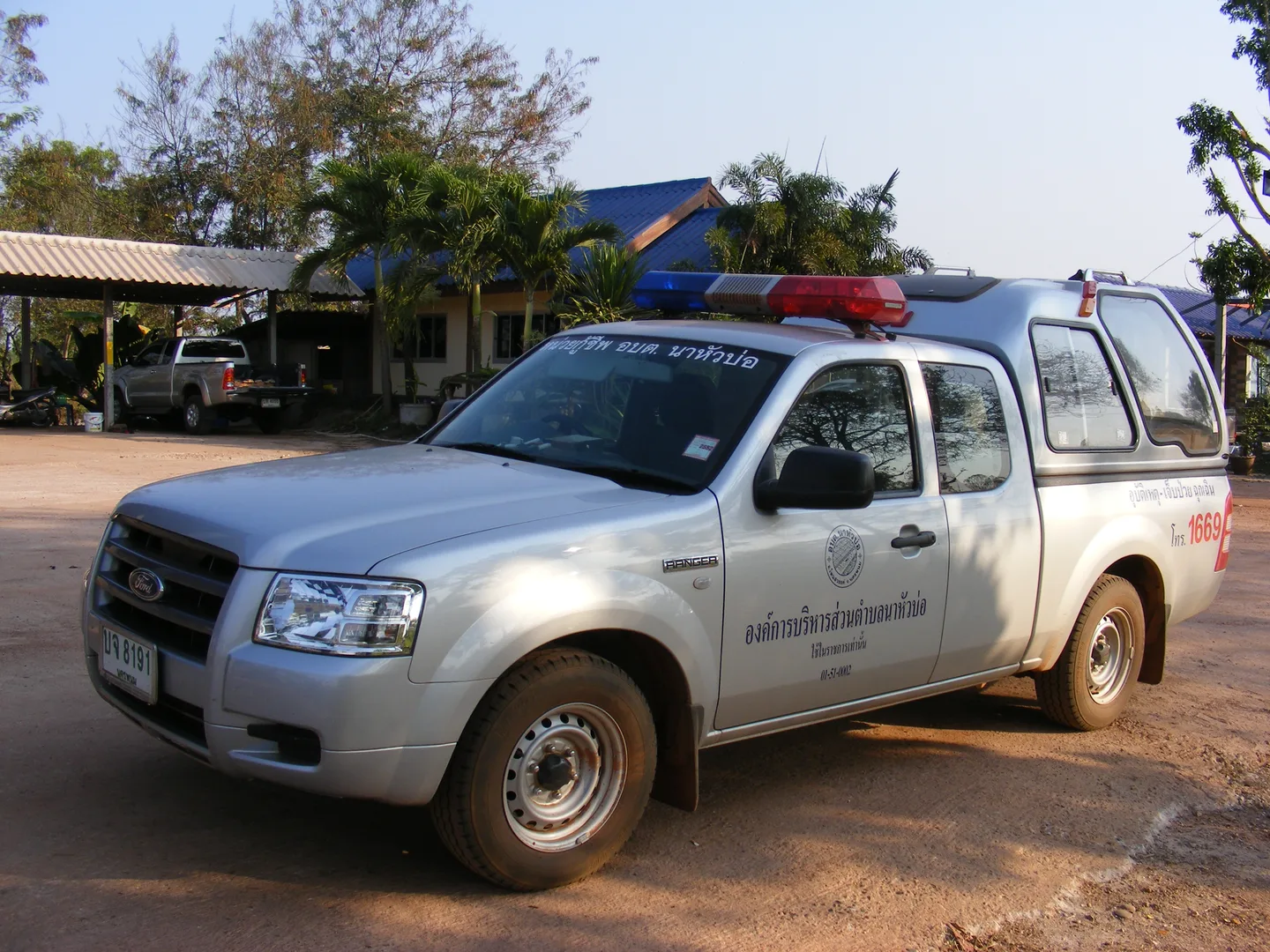
In Thailand, call the Tourist Police at 1155 for anything as a tourist, 1669 for a medical emergency, and 191 for serious crime or immediate danger — save all three numbers before you need them.
Thailand emergency numbers at a glance
These are the numbers worth saving before you land. The Tourist Police line (1155) is the one most travellers will use — it is staffed for foreigners, so if a regular operator cannot understand you, 1155 can translate and connect you to the right service.
| Number | Use it for | Language | Cost |
|---|---|---|---|
| 1155 | Tourist Police — accidents, theft, scams, feeling unsafe, general help | English-speaking help, 24/7 | Free |
| 1669 | Medical emergency / ambulance (national EMS) | Thai; English usually available | Free to call |
| 191 | General police — serious crime, immediate danger | Thai (operator may not speak English) | Free |
| 199 | Fire | Thai | Free |
If you are ever unsure which to call, start with 1155. The Tourist Police can triage the situation in English and loop in medical services or the local police for you. Calls to these numbers are free, and they work from any Thai SIM or eSIM.
Tourist Police 1155 — what they actually do
The Tourist Police are a dedicated branch set up to help visitors, and 1155 is their national hotline. It operates 24 hours a day with English-speaking support, and there is a phone line staffed to assist foreign tourists specifically — so you are not stuck trying to explain an emergency in Thai.
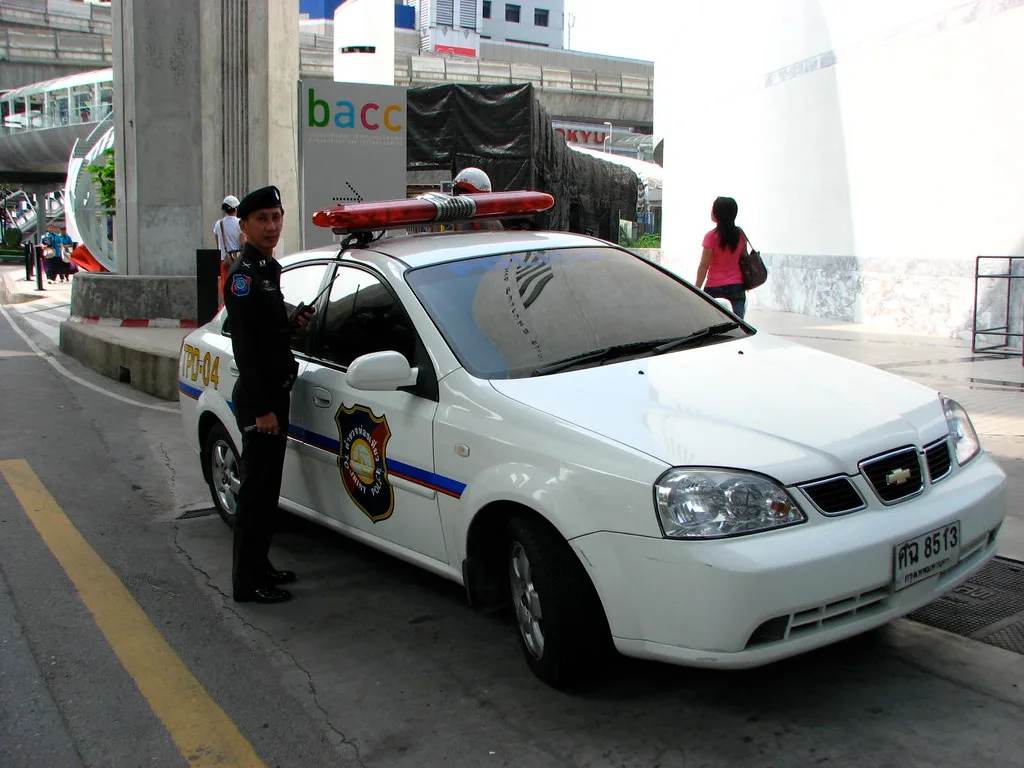
In practice, 1155 helps with: reporting theft, pickpocketing and scams; getting a police report (which you will need for any travel-insurance claim or to replace a passport); assistance after a road or minor accident; and acting as an interpreter between you and regular police or hospital staff. They can also point you to the nearest hospital or police station.
There is also an official Tourist Police mobile app (from the Tourist Police Bureau) that lets you send your location and start a live chat in several languages. It is handy to install before you travel, but when things are urgent, a phone call to 1155 is the most reliable option. Note that 1155 is for assistance and reporting — for a life-threatening medical emergency, call 1669 directly for an ambulance, or ask 1155 to connect you.
Hospitals: public vs private international
Thailand has a strong medical system, and Bangkok in particular is a major medical-tourism hub. For visitors the practical choice is between public (government) hospitals and private international hospitals — they serve very different needs.
| Public / government hospital | Private international hospital | |
|---|---|---|
| Cost (as of July 2026) | Low, heavily subsidised for locals; foreigners pay out of pocket but far cheaper | Significantly higher — card or insurance effectively required |
| English support | Limited; varies by hospital | Dedicated international patient departments, interpreters |
| Typical wait | Can be long, high volume | Shorter, appointment-based |
| Best for | Budget care, remote areas, stabilising emergencies | Complex care, English service, insurance-backed treatment |
Well-known private international hospitals in Bangkok include Bumrungrad International Hospital, Bangkok Hospital and Samitivej. Bumrungrad was the first hospital in Asia to earn Joint Commission International (JCI) accreditation and runs a large international patient service with multilingual interpreters; Samitivej has been JCI-accredited since 2007 and also has dedicated international patient support. These hospitals are excellent, but you generally pay up front or through insurance.
On cost: exact prices vary by hospital, treatment and your condition, so always confirm directly. As a rough guide (as of July 2026), a basic outpatient consultation at a private international hospital typically starts from around 1,000 THB and rises steeply once tests, procedures or admission are involved — serious inpatient care can reach many times that. Public hospitals are much cheaper but may ask for payment up front from non-residents and have more of a language barrier. In all cases, bring a payment card and, ideally, travel insurance that can issue a guarantee of payment so the hospital bills your insurer directly. Keep every receipt and any police report for your claim.
Pharmacies and minor issues
For small problems you often do not need a hospital at all. Thailand has well-stocked pharmacies (look for chains such as those in malls and on main streets), usually staffed by a pharmacist who can advise in basic English. They can help with common travel issues — stomach upset, mild fever, insect bites, minor cuts, motion sickness, rehydration salts, and many everyday medicines.
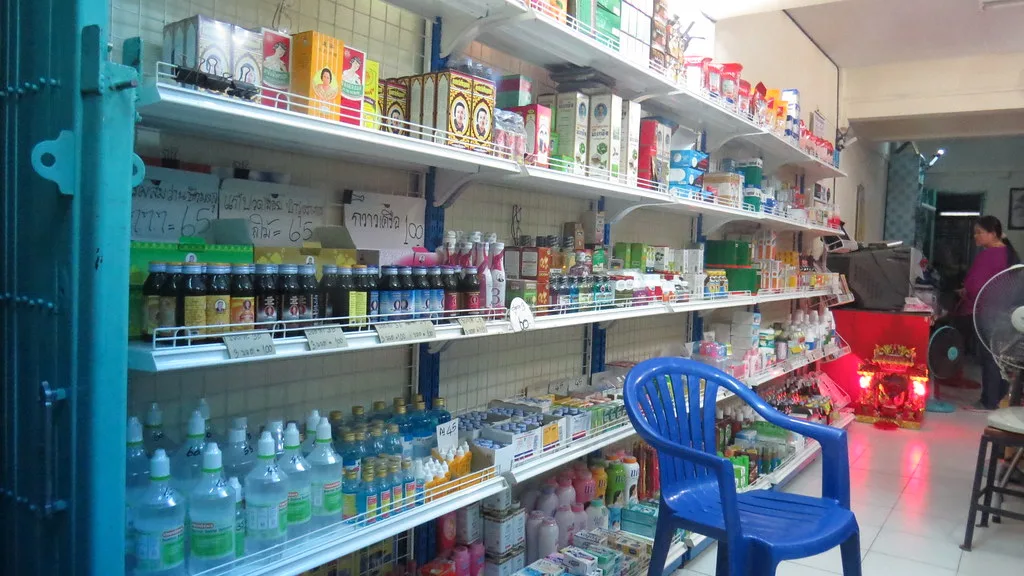
What a pharmacy cannot do: replace a doctor for anything serious. If you have a high or persistent fever, a deep or infected wound, chest pain, breathing difficulty, a suspected fracture, a severe allergic reaction, or symptoms that are getting worse, go to a hospital or call 1669. Bring any regular prescription medicines from home in their original packaging with a copy of the prescription, since brands and rules differ. When in doubt, a private hospital's outpatient department can see you quickly.
Your embassy — when to call
Your embassy or consulate is not an emergency service and cannot pay medical bills or act as police, but it matters in specific situations: a lost or stolen passport, being arrested or detained, a serious accident or hospitalisation, or the death of a travelling companion. Most embassies run a 24-hour emergency line for their citizens.
Rather than rely on any single number, look up your own country's embassy in Bangkok before you travel and save its emergency contact. Official government travel pages keep these current — for example, the UK's Foreign, Commonwealth & Development Office and the U.S. Department of State both publish embassy contact and "getting help abroad" pages for Thailand; other countries have equivalents. For most day-to-day incidents, though, the Tourist Police on 1155 are your fastest first call, and they can involve your embassy if needed.
This article is general information — in an emergency, follow local authorities' instructions.
Before you go: a few practical bookings
None of the numbers above help if your phone has no signal. The single most useful thing you can do is make sure you can call, map and message from the moment you land — and, where it makes sense, book activities through an accountable operator rather than sorting things out on the street. These are next-step suggestions, not requirements:
- Stay reachable — [Thailand 5G eSIM with unlimited data](/products/TH-ESIM-0001) (
TH-ESIM-0001). Data from arrival means 1155, maps, Grab and your embassy are all one tap away. - Book tours through an operator — [Damnoen Saduak & Maeklong day tour](/products/TH-TOUR-0001) (
TH-TOUR-0001). A booked tour means a named operator is responsible for you, not a random tout. - Use official-venue tickets — [Mahanakhon SkyWalk ticket](/products/TH-ATTR-0003) (
TH-ATTR-0003). Skip "it's closed today" scams with a real, dated ticket. - Pre-book experiences — [Chao Phraya Princess dinner cruise](/products/TH-EXP-0001) (
TH-EXP-0001). A confirmed booking beats haggling at the pier after dark.
Compare prices for related tickets


FAQ
Is calling the Tourist Police (1155) free?
Yes. 1155 is a free national hotline that operates 24 hours a day with English-speaking help. You can call it from any Thai SIM or eSIM. It is the best first call for tourists dealing with theft, scams, accidents or any situation where you need someone who can assist in English.
Do Thai hospitals take foreign travel insurance?
Major private international hospitals in Bangkok, such as Bumrungrad and Samitivej, have international patient departments that routinely work with foreign insurers, and many can bill your insurer directly if your policy issues a guarantee of payment. Confirm coverage with your insurer before treatment, and expect to pay up front or by card if a direct guarantee is not in place. Keep all receipts and any police report for your claim.
What is the ambulance number in Thailand?
Call 1669 for a medical emergency or ambulance — it is Thailand's national emergency medical service and is free to call, 24 hours a day. If you cannot communicate, call the Tourist Police on 1155 and they can translate and connect you to medical services.
Do I need proof of insurance to enter Thailand?
As of July 2026, short-term tourists entering on a visa exemption are generally not asked for proof of travel insurance at immigration. Some long-stay visa categories (such as the O-A and O-X retirement visas) do require qualifying health insurance. Entry rules can change, so check the official Thai e-Visa and immigration portals before you travel. Regardless of the rule, travel insurance that covers medical care is strongly recommended given private-hospital costs.
Sources
- Tourism Authority of Thailand (TAT) — 1155 Tourist Police
- Tourist Police Bureau (Royal Thai Police) — official contact
- Bumrungrad International Hospital — official site (JCI accreditation, international patients)
- Samitivej Hospital — official site (about / international patient services)
- UK FCDO — Thailand travel advice: getting help
More guides
- Stay Safe & Healthy · 2026-08-18Common Scams in Bangkok 2026: The Setups That Actually Work
- Stay Safe & Healthy · 2026-08-11Vietnam Tourist Scams 2026 — Taxi, Money & How to Avoid
- Stay Safe & Healthy · 2026-08-06Taiwan Typhoon Season 2026 — What Travelers Need to Know
- Stay Safe & Healthy · 2026-08-02Japan Typhoon Season 2026 — Should You Cancel? (Risk Map)