
Vietnam Pre-Arrival Declaration 2026: QR Form & Visa Rules
By Alvin LimPublished Updated
views 0AI reads 24
As of October 2026, foreign visitors flying into Vietnam fill in the Pre-arrival Information (PAI) form at prearrival.immigration.gov.vn within 3 days before landing and show its QR code at immigration; the US Embassy (17 Jun 2026) calls it mandatory at all airports, while Vietnam's Immigration Department and embassies describe it as voluntary or strongly encouraged. South Korean and Japanese passport holders get 45 days visa-free, while Taiwanese and US travellers need an e-visa of up to 90 days costing US$25 (single entry) or US$50 (multiple entry).
What is Vietnam's pre-arrival declaration, and do you need it?
Vietnam's Pre-arrival Information (PAI) form is an online declaration run by the Immigration Department; you submit it within 3 days before arrival and get a QR code for the immigration counter.
| Item | What applies (as of 30 Oct 2026) |
|---|---|
| Official site | prearrival.immigration.gov.vn only |
| Who | Arrivals without a Vietnamese passport (US Embassy, 17 Jun 2026) |
| When | Within 3 days before arrival, or on arrival at the airport |
| Cost | No fee in any official notice |
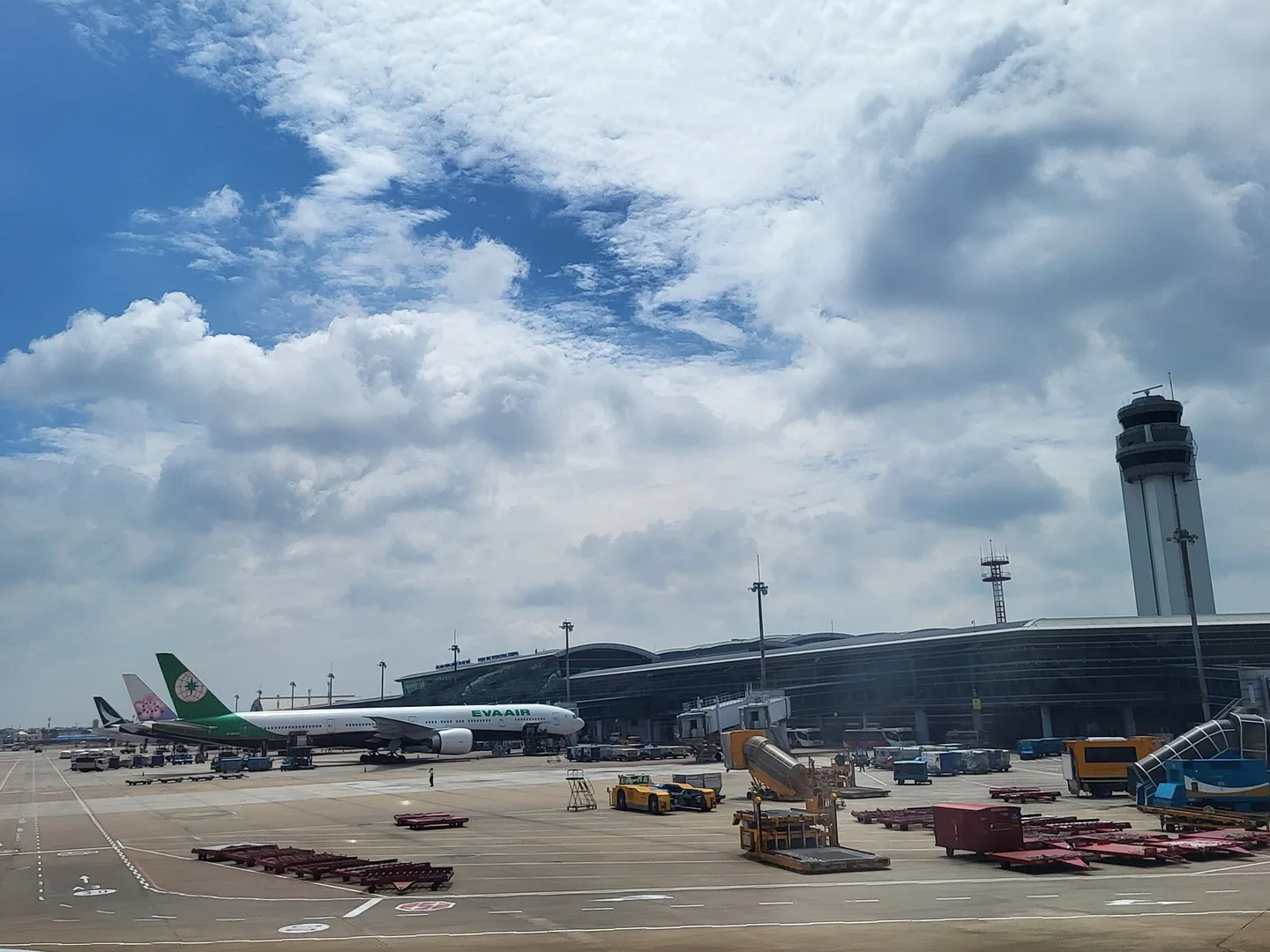
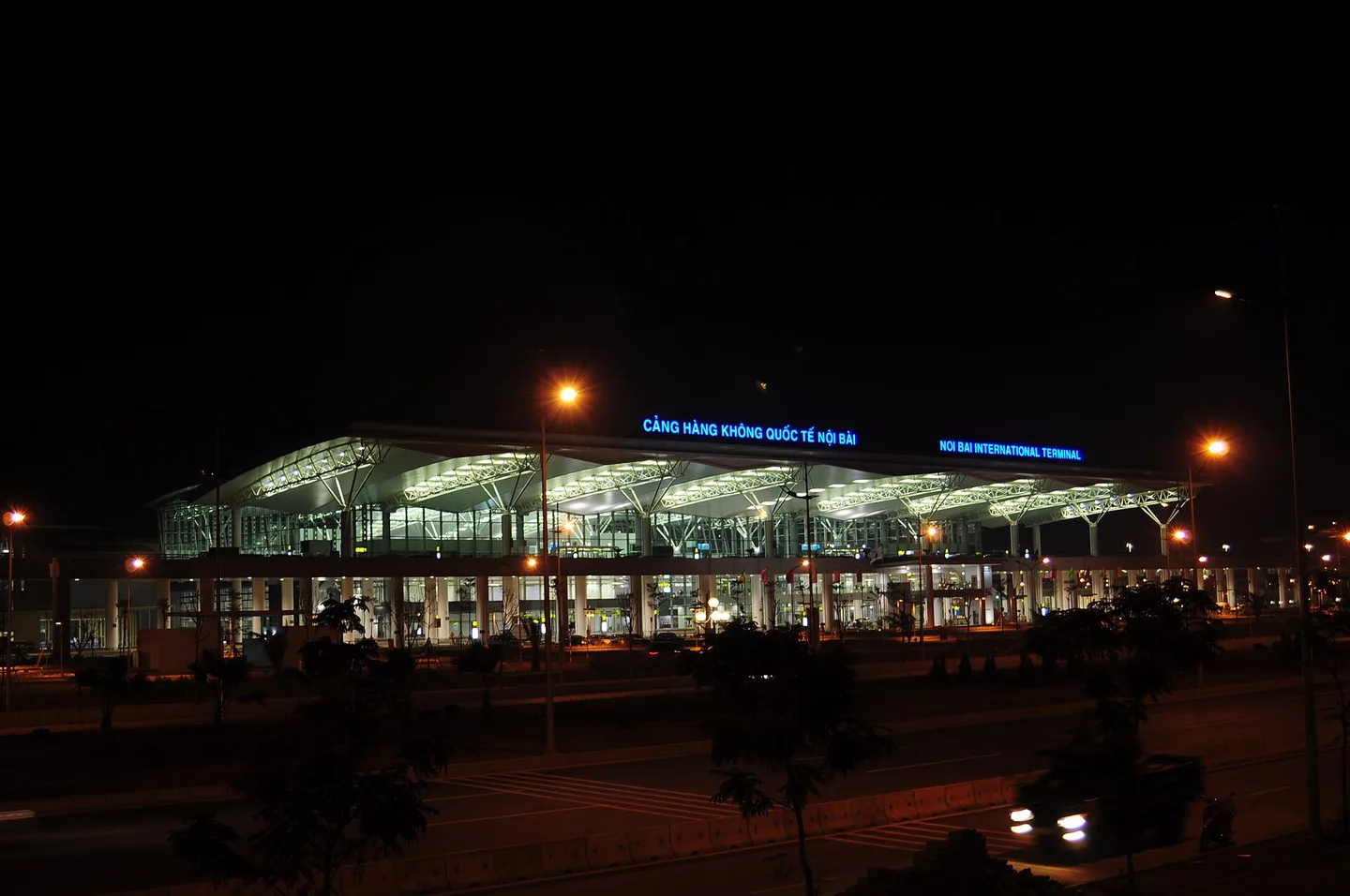
| Airports | Pilot at Tan Son Nhat (Ho Chi Minh City) from 15 Apr 2026; embassy notices now list Noi Bai (Hanoi), Tan Son Nhat, Da Nang, Cam Ranh and Phu Quoc |
| Land borders | Not covered yet; being studied (Immigration Department, 13 May 2026) |
| Result | Entry QR code to save or print; not a visa |
Mandatory or optional? Official sources disagree. The Ministry of Public Security called the April pilot optional, and the Vietnam Embassy in Singapore says travellers are "strongly encouraged" to declare. Singapore's Consulate-General in Ho Chi Minh City (20 Apr 2026) called it mandatory at Tan Son Nhat, and the US Embassy notice of 17 June 2026 calls it mandatory at all airports, with a QR code or paper form on arrival for anyone who has not filed. India's Embassy in Hanoi (page updated 29 Oct 2026) still describes a voluntary roll-out, and no newer Immigration Department notice confirming a nationwide mandate was found as of 30 Oct 2026. Treat it as required and file before you fly; Vietnam Airlines says declared passengers can use a priority entry area.
General information — check official sources for your situation.
How do you fill in the Vietnam PAI form and fix common errors?
Filling in the PAI form takes one short online session; have your passport, flight number and accommodation address ready.
- Type
prearrival.immigration.gov.vnyourself and choose your language. - Select "Create and submit declaration" and enter the CAPTCHA.
- Enter personal details exactly as in your passport, your visa status (exemption or e-visa) and trip details: flight number, arrival date, where you will stay.
- Submit, then screenshot or print the QR code.
- At immigration, show your passport, the QR code and any printed e-visa.
Common errors and fixes
- Flight number rejected: the Immigration Department says most failed declarations had a flight number that did not match the airline's booking (PNR) data. Copy it exactly from your booking and check the arrival date.
- Submitted too early: wait until you are inside the 3-day window.
- No QR code on landing: declare at the airport by QR code or paper form (US Embassy).
- Payment page: close any site asking for a card payment; the Immigration Department warns fake PAI sites have been used to steal card details.
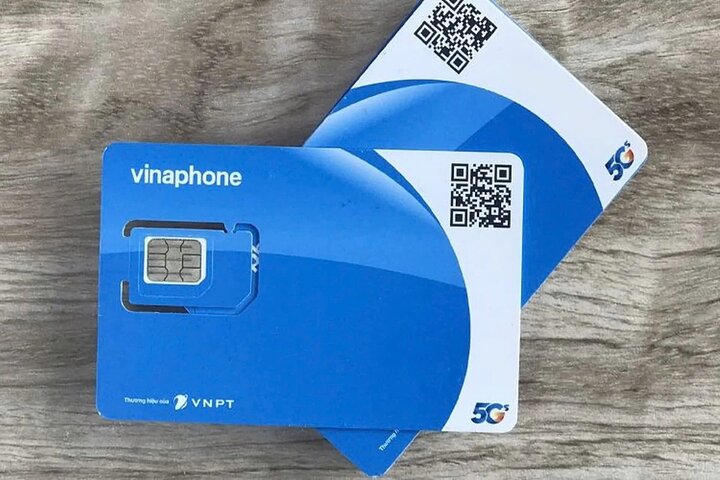
You will want mobile data the moment you land; a 30-day unlimited 4G/5G Vietnam eSIM or SIM card is one option to set up before you fly.
Who gets 45 days visa-free in Vietnam, and who needs an e-visa?
Citizens of 25 countries, including South Korea and Japan, can stay up to 45 days without a visa; Taiwanese, Americans and most others need an e-visa.
| Passport | Entry rule | Maximum stay | Cost |
|---|---|---|---|
| South Korea, Japan | Visa exemption (until 14 Mar 2028) | 45 days | Free |
| Germany, France, Italy, Spain, UK, Russia, Denmark, Sweden, Norway, Finland, Belarus | Visa exemption (until 14 Mar 2028) | 45 days | Free |
| Belgium, Bulgaria, Croatia, Czech Republic, Hungary, Luxembourg, Netherlands, Poland, Romania, Slovakia, Slovenia, Switzerland | Visa exemption (until 14 Aug 2028) | 45 days | Free |
| Chile, Panama | Bilateral exemption | 90 days | Free |
| Singapore, Thailand, Malaysia, Cambodia, Laos, Myanmar | Bilateral exemption | 30 days | Free |
| Philippines / Brunei, Indonesia | Bilateral exemption | 21 / 14 days | Free |
| Taiwan, USA and all others | e-visa | Up to 90 days | US$25 single / US$50 multiple entry |
| Any passport flying into Phu Quoc from abroad (directly or via an international transit lounge) | Phu Quoc exemption | 30 days, island only | Free |
- The 45-day exemption requires a return or onward ticket, says the Vietnam National Authority of Tourism.
- Your passport needs at least 6 months' validity and 2 blank pages.
- Staying longer than 45 days? Get an e-visa before you travel.
How do you get a Vietnam e-visa without paying a look-alike site?
Apply for the e-visa only at the government portal evisa.gov.vn, allowing at least 7 working days before your flight, and pay the official US$25 or US$50 there.
- Who and how long: all nationalities; up to 90 days, single or multiple entry.
- Processing: 3 to 5 working days per the tourism authority; Taiwan's Bureau of Consular Affairs (15 Sep 2026) quotes 3 to 7.
- Entry point: the approval letter names your approved checkpoint, so choose your arrival airport carefully.
- Print it: carry the approved e-visa with your PAI QR code.
Spotting a look-alike site
- Official addresses end in
.gov.vn:evisa.gov.vnandprearrival.immigration.gov.vn. - Agents selling "urgent processing" or a "Vietnam arrival card" may charge on top of the official US$25 or US$50.
- Skip search ads and message links; type the address yourself.
After immigration, see our guides to common Vietnam scams and exchanging money in Vietnam.
Compare prices for related tickets

FAQ
Is Vietnam's pre-arrival declaration mandatory in 2026?
Official sources disagree, so treat it as required: the US Embassy (17 Jun 2026) calls it mandatory at all airports, while Vietnam's Immigration Department and embassies describe it as voluntary or strongly encouraged. If you have not filed, you can declare on arrival by QR code or paper form.
How many days before arrival can I submit the Vietnam PAI form?
You can submit it within the 3 days before your arrival date. According to the US Embassy, you can also declare on arrival at the airport by QR code or paper form.
Does the Vietnam pre-arrival declaration cost money?
No official notice lists any fee for the PAI form at prearrival.immigration.gov.vn. Sites asking for card payment are look-alikes.
Do South Koreans and Japanese need a visa for Vietnam in 2026?
No, South Korean and Japanese passport holders can stay up to 45 days visa-free. Longer stays need an e-visa.
Do Taiwanese travellers need a visa for Vietnam?
Yes, Taiwan passport holders need a visa, usually the e-visa from evisa.gov.vn, valid up to 90 days for US$25 single entry or US$50 multiple entry.
Is the PAI QR code the same as a Vietnam visa?
No, the PAI only sends your travel details to immigration in advance and does not grant entry; you still need a visa exemption or visa.
Sources
- Ministry of Public Security of Vietnam — Immigration Department launches Pre-arrival Information System (13 May 2026)
- Vietnam Immigration Department — Pre-Arrival Information (official form)
- U.S. Embassy & Consulate in Vietnam — Notice on pre-arrival declaration at airports (17 Jun 2026)
- Embassy of Vietnam in Singapore — Notice on Viet Nam's Pre-Arrival Information Declaration
- Consulate-General of Singapore in Ho Chi Minh City — Tan Son Nhat Airport introduces pre-arrival declaration for foreigners (20 Apr 2026)
- Embassy of Vietnam in India — Notice on the Pre-arrival Information application (21 May 2026)
- Embassy of India in Hanoi — Implementation of the Pre-arrival Information (PAI) system by Vietnam Immigration (page updated 29 Oct 2026)
- Vietnam National Authority of Tourism — Visa requirements
- Taiwan Bureau of Consular Affairs — Vietnam travel notice (updated 15 Sep 2026)
- Vietnam Airlines — Documents required for flights to Vietnam
Alvin LimRuns Alvin Travel
Tour guide for 5 years: a Chinese- and English-language guide in Korea, now a certified Korean-language guide in Taiwan. Based in Taipei and studying for a master's degree at National Taiwan University (NTU).
About us and how our guides are made →More guides
- Stay Safe & Healthy · 2026-10-16Da Nang & Hoi An Rainy Season 2026: Should You Go Oct–Dec?
- Stay Safe & Healthy · 2026-10-06Philippines Typhoon Season 2026: Oct–Dec Risk by Island
- Stay Safe & Healthy · 2026-10-06Thailand Visa-Free Cut to 30 Days (2026): By Passport + TDAC
- Stay Safe & Healthy · 2026-09-25Lost Passport in Japan 2026: Police, Embassy, Flight Home