
Tipping in Asia: What to Do in All 10 Countries (2026)
Updated: 2026-07-12
As of July 2026, tipping across Asia splits into three clear zones. In East Asia — Japan, Korea and Taiwan — tipping is essentially not done, and money left on the table may be politely refused or chased after you. In Southeast Asia — Thailand, Vietnam, the Philippines and, more loosely, Malaysia — there is no strict tipping culture, but rounding up the bill and leaving small change in the local currency for good service is common and welcome. In the service-charge economies — Singapore, Hong Kong, Malaysia, the Philippines and Macau — a 10% service charge is usually printed on the bill (often shown as "++"), and that stands in for a tip. The one situation where tipping is genuinely common across the whole region is private tours and drivers. The table below breaks down all ten destinations by situation.
Tipping in Asia at a glance: 10 countries compared
Here is the quick-reference table. Each cell shows what is commonly expected for good service — None means no tip is expected and leaving none is completely normal; Round up means leaving small change or rounding the fare or bill to a convenient number; and a currency range is what locals commonly leave when they do tip. Where a 10% service charge is standard it is flagged, because that charge usually replaces a tip. These are soft customs and guidance for good service, not obligations.
| Country | Restaurants | Hotels (porter / housekeeping) | Taxis | Tour guides (private) | Spa & salon |
|---|---|---|---|---|---|
| South Korea | None | None (bellhop ₩5,000–10,000 optional) | None | Optional, private tours only | None |
| Japan | None (may be refused) | None (ryokan *kokorozuke* optional, in an envelope) | None | Occasionally accepted by private guides | None |
| Taiwan | None (10% service charge at mid/high-end) | None (bellhop NT$50–100 optional) | Round up | Optional, small | None |
| Hong Kong | 10% service charge usual; else ~10% | HK$10–20/bag; HK$20–40/day | Round up | HK$50–100 per person/day | 10% if not already added |
| Singapore | None — 10% service charge ("++") | None — 10% on room; bellhop S$2–5 optional | Round up | S$5–10 per person, optional | Usually 10% included |
| Thailand | Round up / ฿20; upscale ~10% | ฿20–50/bag; ฿20–50/day | Round up; ฿20–50 longer rides | ~฿200–300/day (up to ฿1,000 for a great full day) | ฿50–100 |
| Vietnam | 5–10% if no service charge | ₫20,000–50,000 | Round up | ₫100,000–200,000/day | ₫50,000–100,000 |
| Malaysia | None — 10% service charge usual | RM2–5/bag optional | Round up | RM10–20 or ~10%, optional | Usually 10% included |
| Philippines | 10% service charge usual; else ~10% | ₱50–100/bag | Round up | ₱50–100 per person | ₱50–100 or ~10% |
| Macau | 10% service charge usual | 10% built into rate; bellhop MOP10–20 | Round up | MOP50–100 per person | Usually 10% included |
Exchange-rate footnote (as of July 2026): approximate mid-market rates per US$1 — ₩1,500 (KRW), ¥162 (JPY), NT$32 (TWD), HK$7.84 (HKD), S$1.29 (SGD), ฿33 (THB), ₫26,000 (VND), RM4.2 (MYR), ₱57 (PHP), MOP8.1 (MOP). Rates move daily; use these only to size a tip, not for accounting. Macau's pataca and Hong Kong's dollar are effectively pegged to the US dollar, and Hong Kong dollars are widely accepted in Macau.
East Asia: why tipping can feel rude
In Japan, Korea and Taiwan, good service is treated as the standard, already priced in — not an extra you pay for. In Japan, the national tourism body (JNTO) is explicit that there is no tipping culture: in restaurants, taxis and hotels a tip is unnecessary and may be politely refused. Leave cash on the table and staff may genuinely chase you down the street to return it, assuming you forgot it. Japan's hospitality runs on *omotenashi* — wholehearted service given without expectation of reward.
Korea works the same way. Service staff earn a fixed wage and do not rely on tips, so none is expected in restaurants, taxis, hotels or salons. A sincere "gamsahamnida" (thank you) lands better than money.
Taiwan follows the Japanese-influenced model, with one wrinkle: mid-range and upscale restaurants add a mandatory 10% service charge, which by law is general revenue rather than a staff tip — so you never add more on top. The rare exceptions region-wide: a private guide accustomed to overseas travelers may accept a tip, and at a high-end Japanese *ryokan* a discreet *kokorozuke* gratuity is placed in an envelope, never handed over as loose cash.
Southeast Asia: the rounding-up culture
Thailand, Vietnam, the Philippines and Malaysia have no obligatory tipping, but small gestures for good service are appreciated. The universal habit is to round up and leave your change, and to always tip in the local currency so the recipient can spend it without an exchange trip.
- Thailand — Leave the coins or a ฿20 note at a casual restaurant; at higher-end places tip around 10% if no service charge is listed. For taxis, round the fare up; add ฿20–50 on longer rides or with luggage help. Hotel porters and housekeeping: ฿20–50.
- Vietnam — Tip 5–10% at mid-range and upscale restaurants if there is no service charge. Hand tips over discreetly with a smile and a "cảm ơn" — not every venue welcomes open tipping. Hotel staff: ₫20,000–50,000.
- Philippines — Many places already add a 10% service charge; if not, ~10% or rounding up to the nearest ₱100 is common. Hand tips directly to your server. Hotel porters: ₱50–100 per bag.
- Malaysia — Largely a service-charge country (see below), but at sit-down restaurants without one, 10–15% for standout service is welcome, and you round up taxis.
The service-charge countries: how to read the bill
In Singapore, Hong Kong, Malaysia, the Philippines and Macau, the tip is often already on your bill as a 10% service charge. In Singapore this shows on menus as "++" after prices, meaning "plus service charge and taxes"; the 10% is added automatically at table-service restaurants and to most hotel room rates. When that charge is present, tipping more is purely voluntary.
Hong Kong and Macau work similarly — a 10% service charge is standard at sit-down restaurants and built into upscale hotel rates. If a restaurant does not add one, roughly 10% is expected. A key nuance: the service charge frequently goes to the business rather than directly to staff, so many diners still leave the loose change behind.
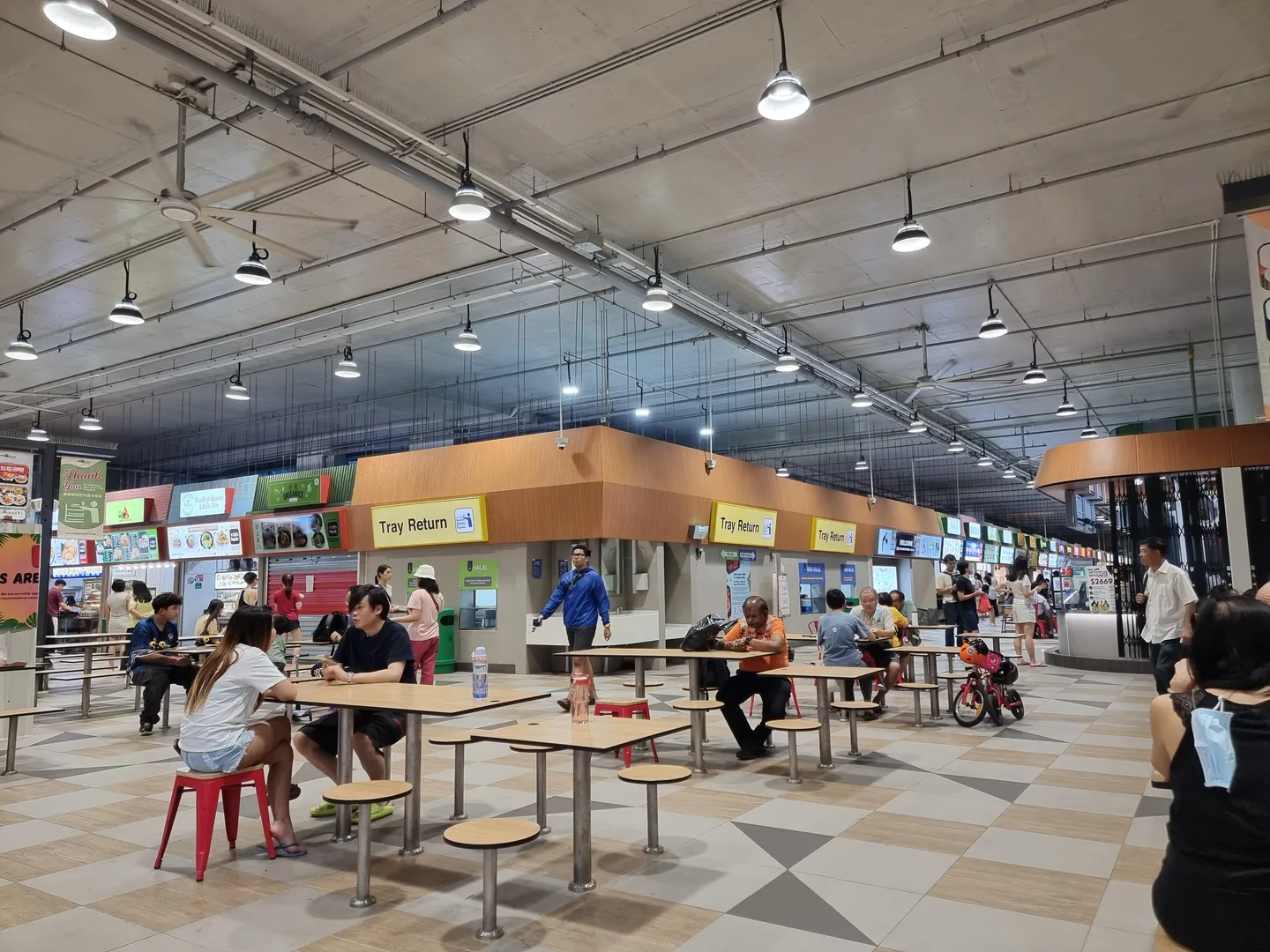
Where the service charge does not apply is casual, self-service dining: Singapore's hawker centres and food courts, Hong Kong's *dai pai dong* street stalls and *cha chaan teng* cafés, and Malaysian and Filipino roadside eateries. There, no tip is expected — you clear or order at the counter yourself. Always scan the receipt before adding anything, so you do not tip twice.
Tour guides & drivers: the one case tipping is common
If there is a single situation where tipping is customary right across Asia, it is a private tour or a driver who spends the day with you. Even in no-tip Japan, Korea and Taiwan, a private guide accustomed to international travelers will often accept a gratuity as thanks. Rough per-person, full-day ranges locals and visitors commonly use: Thailand ฿200–300 (more for an outstanding day); Vietnam ₫100,000–200,000; Hong Kong and Macau HK$/MOP 50–100; Philippines ₱50–100; and in Japan, Korea, Singapore and Taiwan it is optional but always welcome for a guide who went above and beyond. Hand it over directly, in cash, in the local currency.
Booking a private or small-group experience is exactly where this applies. If you are lining up day tours, these are popular, highly rated options across the region where a small end-of-day thank-you fits naturally — compare live prices and coupons on the cards below before you book.
Compare prices for related tickets
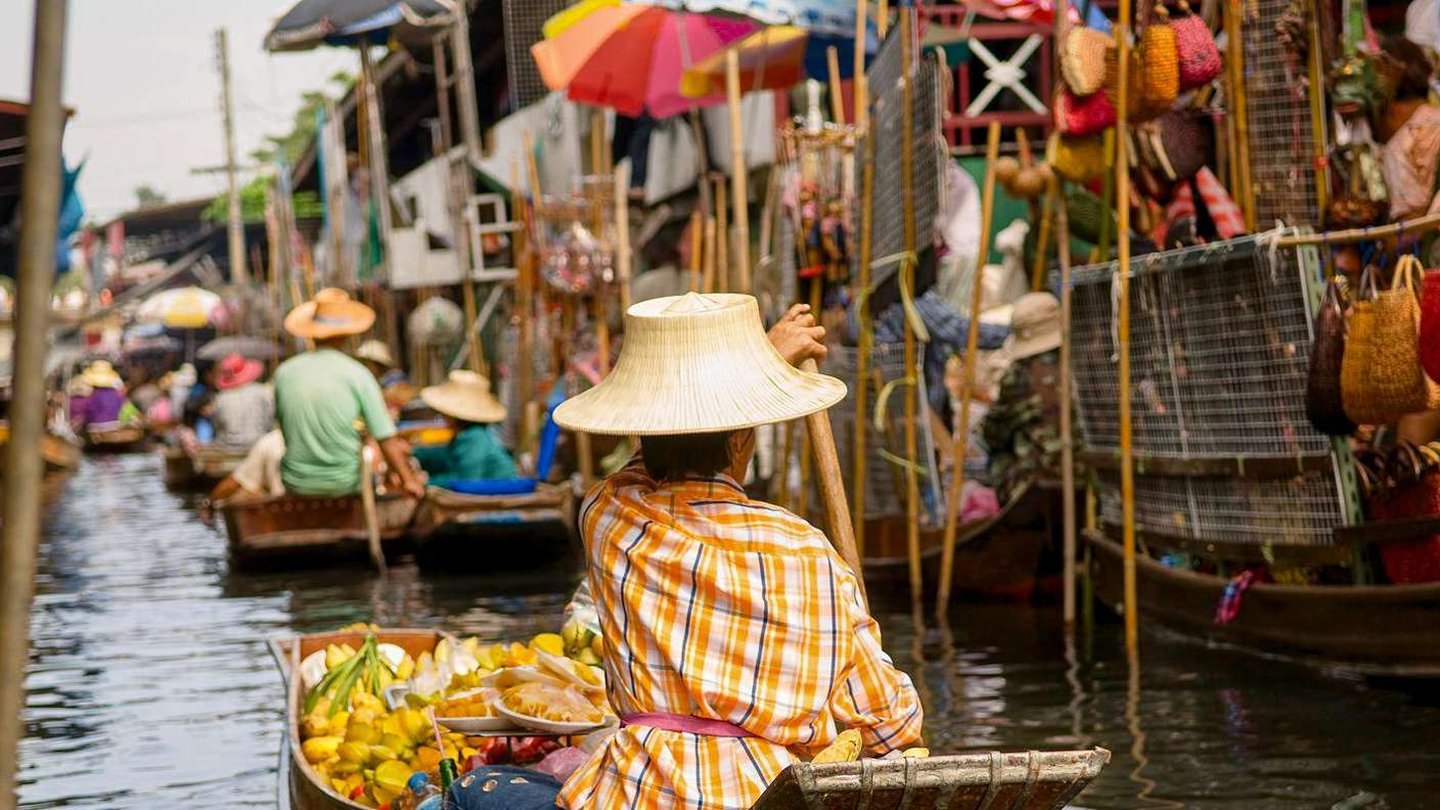 Damnoen Saduak Floating Market & Maeklong Railway Market Day TourCompare
  Mount Fuji popular scenic spot one-day tour: Ladder Town, Oshino Hakkai, Kawaguchiko, Lawson convenience store (departing from Tokyo Station or Shinjuku Station)Compare
  Yehliu Geopark, Jiufen, Shifen, and Golden Waterfall Day TourCompare
  Private Hong Kong Tour with a Local, Highlights & Hidden Gems 100% PersonalisedCompare
  Small Group: Michelin and Local Hawker Food Tour with 9 tastingsCompare
FAQ
Do you tip in Japan?
No. Japan has no tipping culture — the national tourism organization (JNTO) confirms tips are unnecessary in restaurants, taxis and hotels, and staff may politely refuse or chase after you to return the money. Great service is already built into the price. The rare exception is a private guide used to overseas travelers, or a discreet envelope gratuity (kokorozuke) at a high-end ryokan.
Is a service charge the same as a tip?
Not exactly. In Singapore, Hong Kong, Malaysia, the Philippines and Macau a 10% service charge is often added automatically (shown as "++" in Singapore) and functions as your tip, so you do not need to add more. But that charge frequently goes to the business rather than the individual server, which is why some diners still leave small change. Always check the receipt before tipping so you do not pay twice.
Should I tip in US dollars or local currency?
Local currency, always. A tip in Thai baht, Vietnamese dong, Philippine pesos or any local currency can be spent immediately, while foreign notes force the recipient to make a trip to a money changer and lose value on the exchange. Keep a small stash of low-denomination local notes for tips, porters and casual dining.
Do I need to tip taxi or Grab drivers in Asia?
Generally no — tipping drivers is not required anywhere in the region. In most countries rounding the fare up to a convenient number is the norm, and a little extra is polite on longer rides or when the driver helps with luggage. In Japan and Korea, drivers do not expect anything, and app payments (KakaoTaxi, Grab) often leave no cash changing hands at all.
How much should I tip a tour guide in Asia?
For a private full-day tour, common per-person ranges are roughly ฿200–300 in Thailand, ₫100,000–200,000 in Vietnam, HK$/MOP 50–100 in Hong Kong and Macau, and ₱50–100 in the Philippines. In Japan, Korea, Taiwan and Singapore it is optional but genuinely welcome for a guide who went above and beyond. Hand it over directly in cash, in the local currency, at the end of the day.
Sources
- Japan National Tourism Organization (JNTO) — Tipping in Japan
- Cathay Pacific — A guide to tipping in Hong Kong
- Wise — Tipping in Singapore Etiquette
- Wise — Tipping in Thailand Etiquette
- Wise — Tipping in Malaysia Etiquette
- Newport World Resorts — Tipping in the Philippines: A Guide for Travelers
- The Soul of Seoul — Guide to Tipping in Korea