
Suica vs ICOCA vs Pasmo 2026 — Which IC Card to Buy & Where
Updated: 2026-09-23
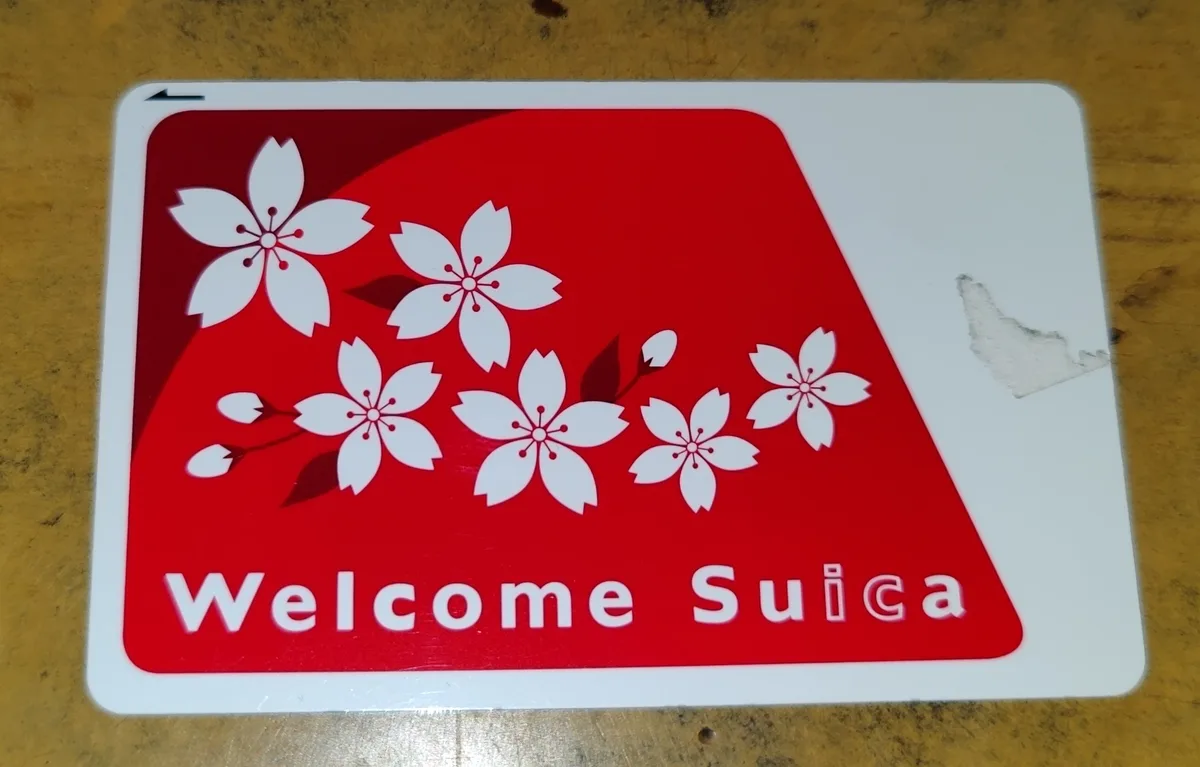
As of September 2026, buy whichever IC card your arrival airport sells — Welcome Suica or Tourist Pasmo in Tokyo (no deposit, valid 28 days), ICOCA in Kansai (¥2,000 including a ¥500 deposit) — since all three work on the same nationwide network and hold up to ¥20,000. Regular Suica and PASMO cards (¥500 deposit) have been back on sale since 1 March 2025, so the real differences are deposit, validity and refund rules.
Suica vs ICOCA vs Pasmo: The Core Differences
All three cards do the same basic job — tap to ride trains, subways, and buses, and tap to pay at convenience stores and other shops that show the IC mark. What separates them is price, deposit, and what happens to your balance when the trip ends — covered in the table below.
| Welcome Suica | Regular Suica | ICOCA | Tourist Pasmo | |
|---|---|---|---|---|
| Issuer | JR East | JR East | JR West | PASMO Co. (Tokyo-area rail operators) |
| Home base | Tokyo | Tokyo | Osaka / Kyoto / Kobe | Tokyo |
| Price | ¥1,000–¥10,000, no deposit | ¥500 deposit + top-up | ¥2,000 (¥500 deposit + ¥1,500 usable), cash only | ¥1,000–¥10,000 (Narita: fixed ¥2,000) |
| Deposit refunded? | No deposit, no refund | Yes, ¥500 back; balance refunded minus a ¥220 fee | Yes, ¥500 back; balance refunded minus a ¥220 fee | No deposit, no refund |
| Validity | 28 days from purchase | Ongoing, no fixed expiry | Ongoing, no fixed expiry | 28 days from purchase |
| Maximum balance | ¥20,000 | ¥20,000 | ¥20,000 | ¥20,000 |
| Where to buy | Narita (T1, T2·3), Haneda (T3), JR East Travel Service Centers in central Tokyo, JAPAN RAIL CAFÉ, Takanawa Gateway | JR East ticket machines/counters in the Suica area (back on sale since 1 March 2025) | JR West stations (Osaka/Kyoto/Kobe), some Kansai private rail & subway stations, Kansai Airport (ICOCA & HARUKA combo) | Haneda (T1, T2, T3 — Keikyu), Narita (T1, T2 — Keisei) only |
| Works outside its home city? | Yes, nationwide mutual-use network | Yes | Yes | Yes |
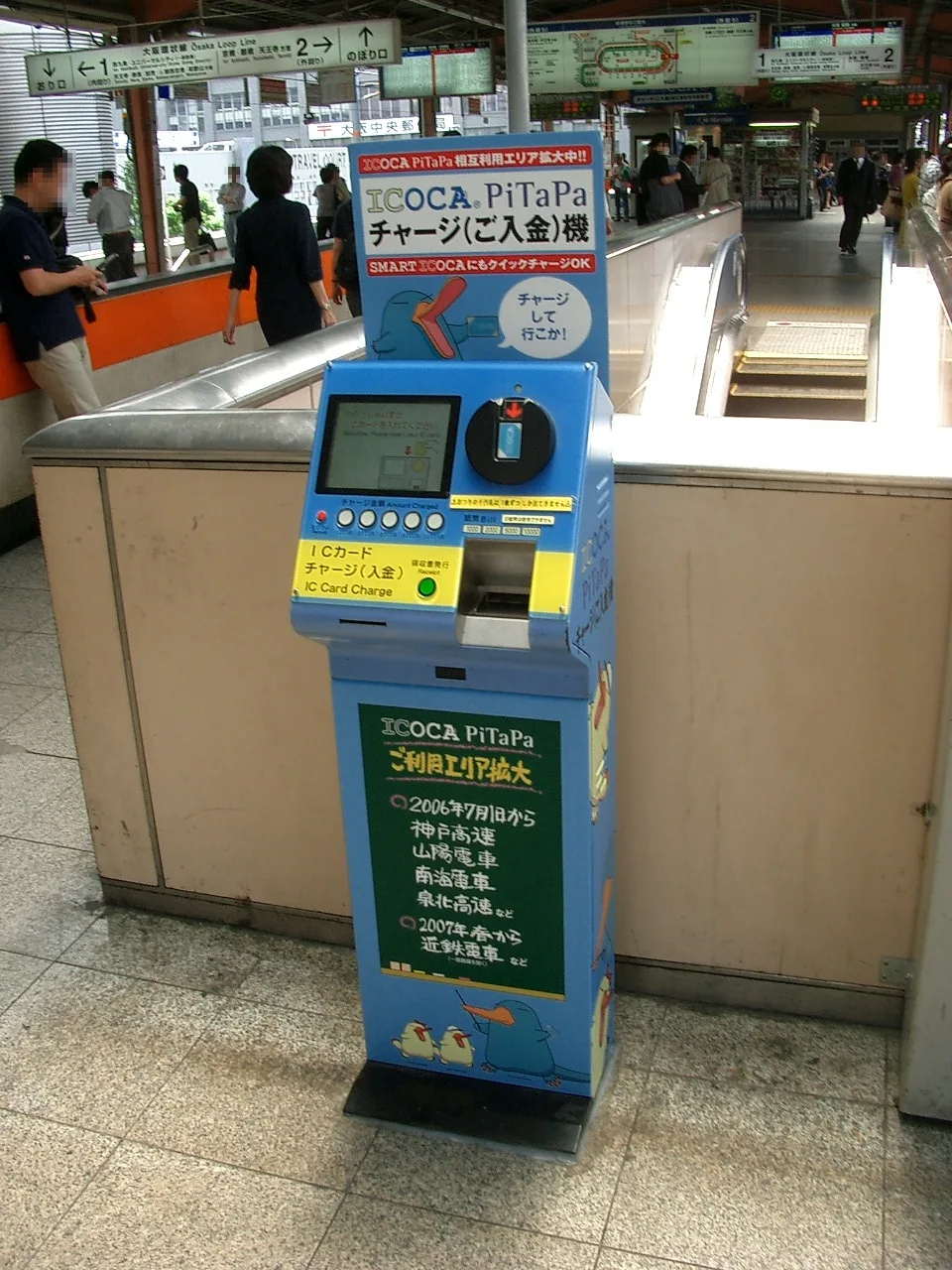
- Refundable cards (regular Suica, ICOCA): return the card before you leave — Suica only at JR East stations, ICOCA at a JR West ticket office — to get the deposit back; both deduct a ¥220 handling fee if balance remains.
- No-refund cards (Welcome Suica, Tourist Pasmo): no deposit, but no refund either — leftover balance stays on the card as a souvenir. A Welcome Suica's GOOD THRU date is not its expiry; the 28-day limit is on the reference paper.
- Regular PASMO is on sale again too, at PASMO station ticket machines (¥500 deposit, cash only).
- Flying in? Our Narita and Haneda to Tokyo and Kansai Airport to Osaka and Kyoto guides compare airport trains and fares.
Can You Use One Card Everywhere in Japan?
Yes, mostly. Suica, ICOCA, and Pasmo are 3 of 10 IC cards — Kitaca, Suica, PASMO, TOICA, manaca, ICOCA, PiTaPa, SUGOCA, nimoca, and Hayakaken — accepted at each other's ticket gates and on participating buses nationwide. In practice:
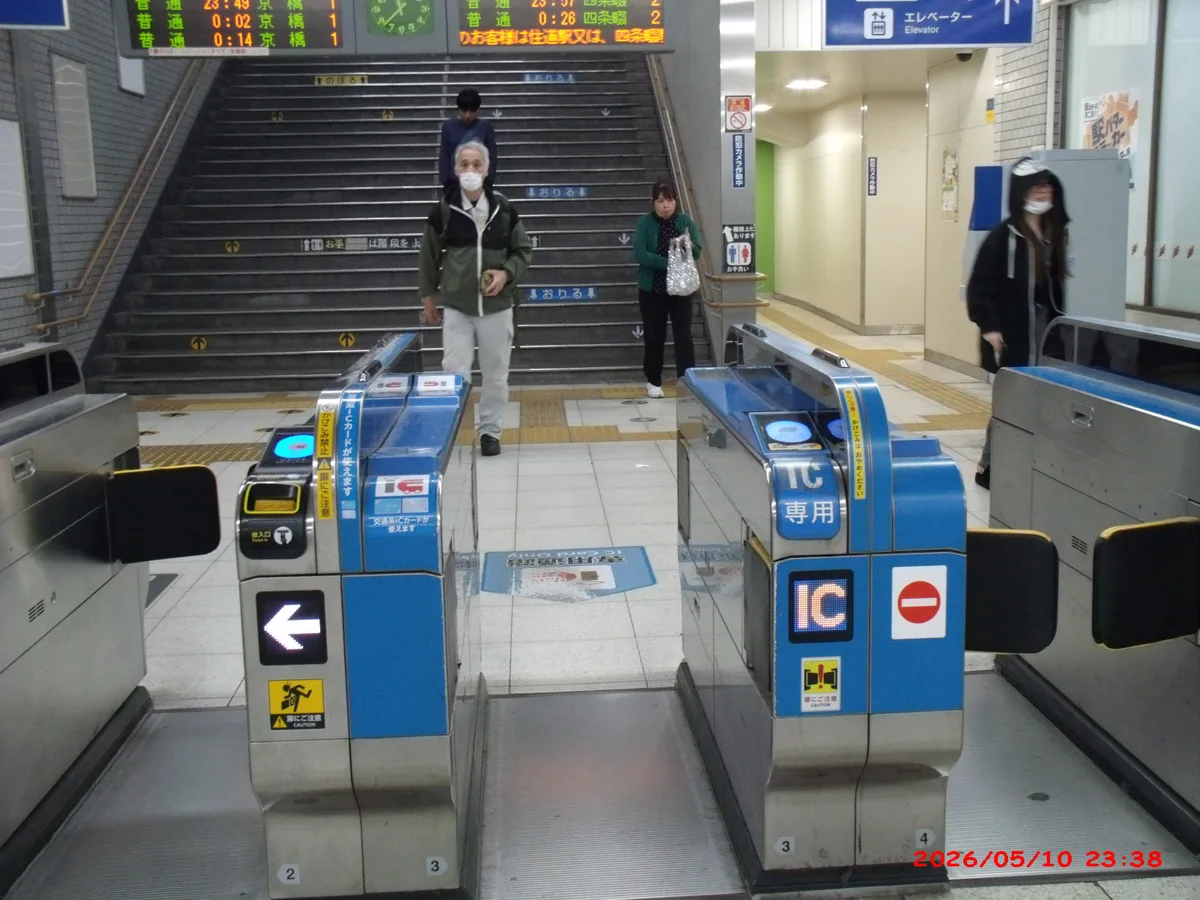
- A Welcome Suica from Haneda taps through Osaka Metro and JR West gates fine.
- An ICOCA from Osaka taps through Tokyo Metro and JR East gates fine.
- Exception: a few regional lines — e.g. Kanto Railway, Chiba Monorail — only accept PASMO or Suica. Check gate signage if you're off the main JR/subway grid.
- A single trip can't start in one IC card area and end in another; for a journey that crosses areas, buy a ticket before you board.
Card or Phone? Mobile IC Card Options
- iPhone → Welcome Suica Mobile (JR East app, users 13+): valid 180 days, balance not refunded; it also sells Shinkansen and Narita Express reserved seats and Green Car tickets for local trains. In some countries, setup and top-up only work after you land in Japan.
- Regular Suica, PASMO or ICOCA in Apple Wallet → iPhone 8 or later. PASMO's setup needs the device region set to Japan; ICOCA top-ups need a Visa, Mastercard, JCB or American Express card issued where Apple Pay is supported, and some cards are not accepted (JR West).
- Android → no tourist mobile option: Google Wallet's Suica and PASMO are Japan-only and need an Osaifu-Keitai phone, so pick up a physical card at the airport instead.
Related Passes Worth Comparing
IC cards are great for point-to-point rides, but they're not always the cheapest option if you know your route in advance — and they don't cover reserved Shinkansen seats on their own. For a subway-heavy day in Tokyo, or when combining Tokyo with other cities by rail, it's worth comparing a prepaid pass against topping up a card.
- Tokyo Subway Ticket (24/48/72h unlimited Tokyo Metro + Toei) — official adult price ¥1,000 / ¥1,500 / ¥2,000
- JR Whole Japan Rail Pass (7/14/21-day, nationwide JR + shinkansen; Nozomi/Mizuho need an extra ticket) — 7-day Ordinary ¥50,000; ¥53,000 via overseas agencies from 1 October 2026
- Japan Unlimited Data eSIM — from $0.49 (KKday)
Pass prices are official fares as of September 2026; the eSIM price is alvin.travel's tracked platform data from 23 September 2026 — re-check live prices before booking.
Compare prices for related tickets


FAQ
Which IC card should I get if I'm only visiting Tokyo?
Welcome Suica or Tourist Pasmo — both need no deposit and last 28 days. Tourist Pasmo is sold only at Haneda and Narita; Welcome Suica also at JR East Travel Service Centers in major Tokyo stations. Coming back to Japan later? A regular Suica or PASMO with a refundable ¥500 deposit is on sale again.
Which IC card should I get if I'm flying into Osaka or Kyoto?
ICOCA — sold throughout the Osaka/Kyoto/Kobe area, including a combo with the Kansai Airport express for foreign short-term visitors (ICOCA & HARUKA). It's the standard choice for a Kansai-first itinerary.
Can I use a Suica bought in Tokyo when I visit Osaka, or vice versa?
Yes — Suica, ICOCA, and Pasmo share Japan's 10-card mutual-use network, so any one works at gates nationwide. The exceptions are a few regional lines and single trips that cross from one IC card area into another.
Is Pasmo Passport still available for tourists?
No — its sales had ended by August 2024, and all handling ended on 11 October 2024. Tourist Pasmo replaced it on 20 May 2026 and is sold only at Haneda and Narita.
Can I get my leftover balance back when I leave Japan?
Only on a regular Suica or ICOCA: you get the balance minus a ¥220 handling fee, plus the ¥500 deposit, and a card with ¥220 or less left returns just the deposit. Welcome Suica and Tourist Pasmo balances are never refunded.
Can I use Suica on my phone as a tourist?
Yes on an iPhone — JR East's Welcome Suica Mobile app (valid 180 days) or a regular Suica, PASMO or ICOCA in Apple Wallet on iPhone 8 or later. Google Wallet's Suica and PASMO are Japan-only and need an Osaifu-Keitai phone, so most Android users should buy a physical card.
Sources
- JR East — Welcome Suica: Purchasing and Using
- JR East — What's a Suica (IC Card)?
- JR East — Suica for visitors: ¥500 deposit, ¥220 return fee, ¥20,000 limit, no cross-area trips
- JR East — Suica refunds (払いもどし, Japanese)
- JR East — Welcome Suica Mobile
- JR West — Purchasing ICOCA (Travel Area Guide)
- JR West — ICOCA on Apple Pay
- JR West FAQ — Maximum ICOCA balance (¥20,000)
- JR West ICOCA — Refunds: ¥220 fee, deposit only if ¥220 or less remains (Japanese)
- PASMO — What is PASMO? (nationwide mutual-use network)
- PASMO — TOURIST PASMO official page
- PASMO — Rules for Using TOURIST PASMO (effective 20 May 2026)
- PASMO — TOURIST PASMO launch notice, 17 April 2026 (PDF)
- PASMO — Abolition of the PASMO PASSPORT rules, 4 October 2024 (PDF)
- JR East / PASMO Council — Non-personalized Suica and PASMO back on sale from 1 March 2025 (PDF, Japanese)
- PASMO — Buying a regular PASMO (Japanese)
- PASMO — Use PASMO with Apple Pay
- Apple Support — Add a transit card to Apple Wallet in Japan
- Google Wallet Help — Add PASMO to Google Wallet (Japan only)
- Tokyo Metro — Tokyo Subway Ticket
- JAPAN RAIL PASS — Types and prices
- alvin.travel — Japan Unlimited Data eSIM product tracking (D1, internal)
More guides
- Airports & Transit · 2026-09-23Changi Airport to Singapore City 2026: Every Option Priced
- Airports & Transit · 2026-09-23Hong Kong Airport to City 2026: Every Option, Priced
- Airports & Transit · 2026-09-05KLIA to Kuala Lumpur 2026: Ekspres vs Grab vs Bus, Priced
- Airports & Transit · 2026-08-17Taoyuan Airport to Taipei 2026: Every Option, Priced