Japan with Kids 2026: Trains, Strollers, Diapers & Parks
By Alvin LimPublished Updated
views 3AI reads 129
Japan is one of the easiest countries in Asia to travel with kids: children under 6 ride trains free (up to two per paying adult), while ages 6–11 pay half fare. Avoid trains during the 7–9am and 5–7pm rush hours with a stroller — figures verified August 16, 2026.
Match the Attraction to the Age, Not the Guidebook
The most common family-trip mistake in Japan is booking a full theme-park day for a 2-year-old who naps at 1pm. Here is how the big four sort out by age and by how hard they are to reach.
| Attraction | Best age range | Indoor? | Stroller-friendly | Access from city centre | Realistic time needed |
|---|---|---|---|---|---|
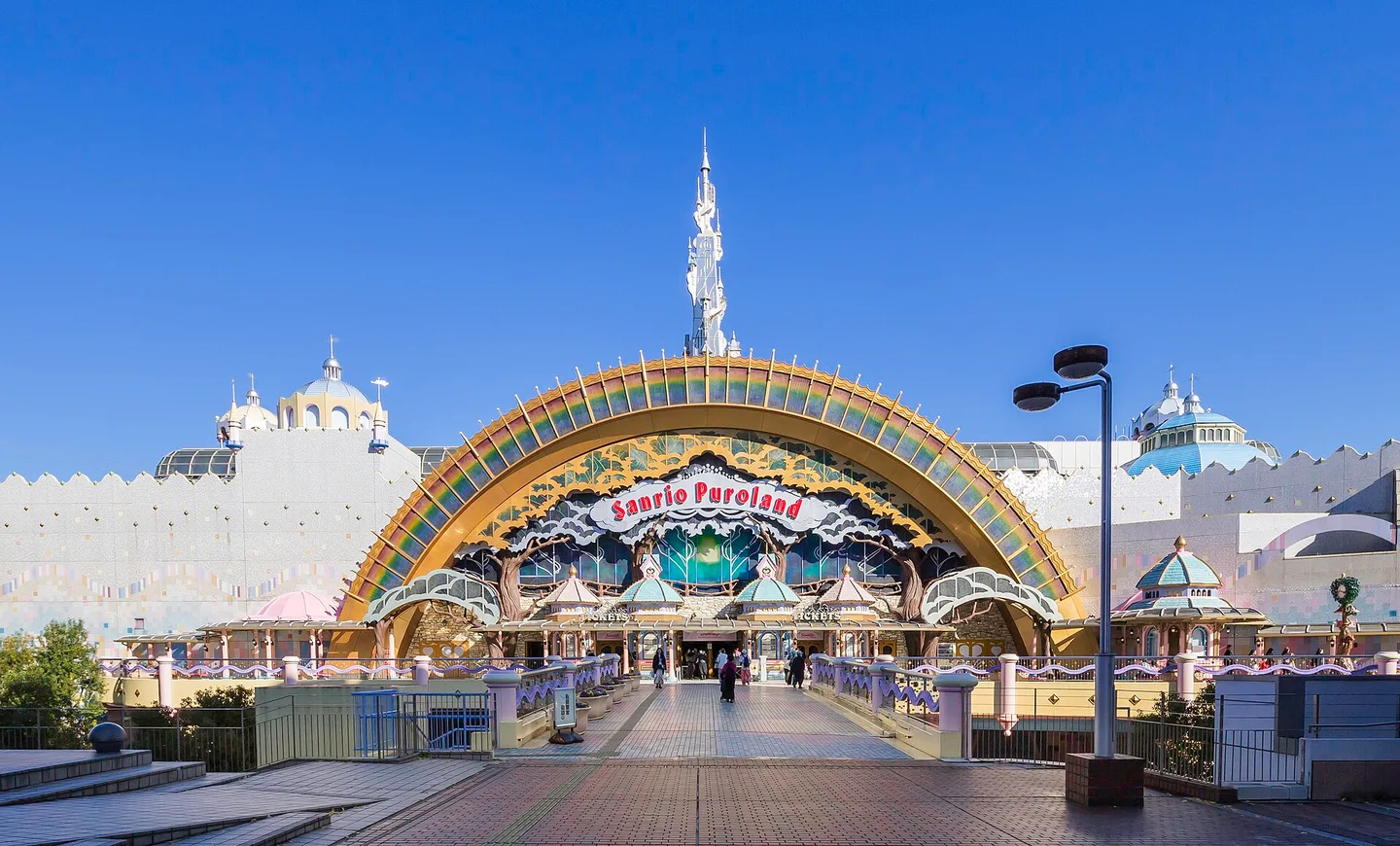
| Sanrio Puroland (Tama, Tokyo) | 2–8 | Fully indoor | Very — flat, lifts throughout | ~30 min limited express from Shinjuku (Keio Line) + 5 min walk | Half day |
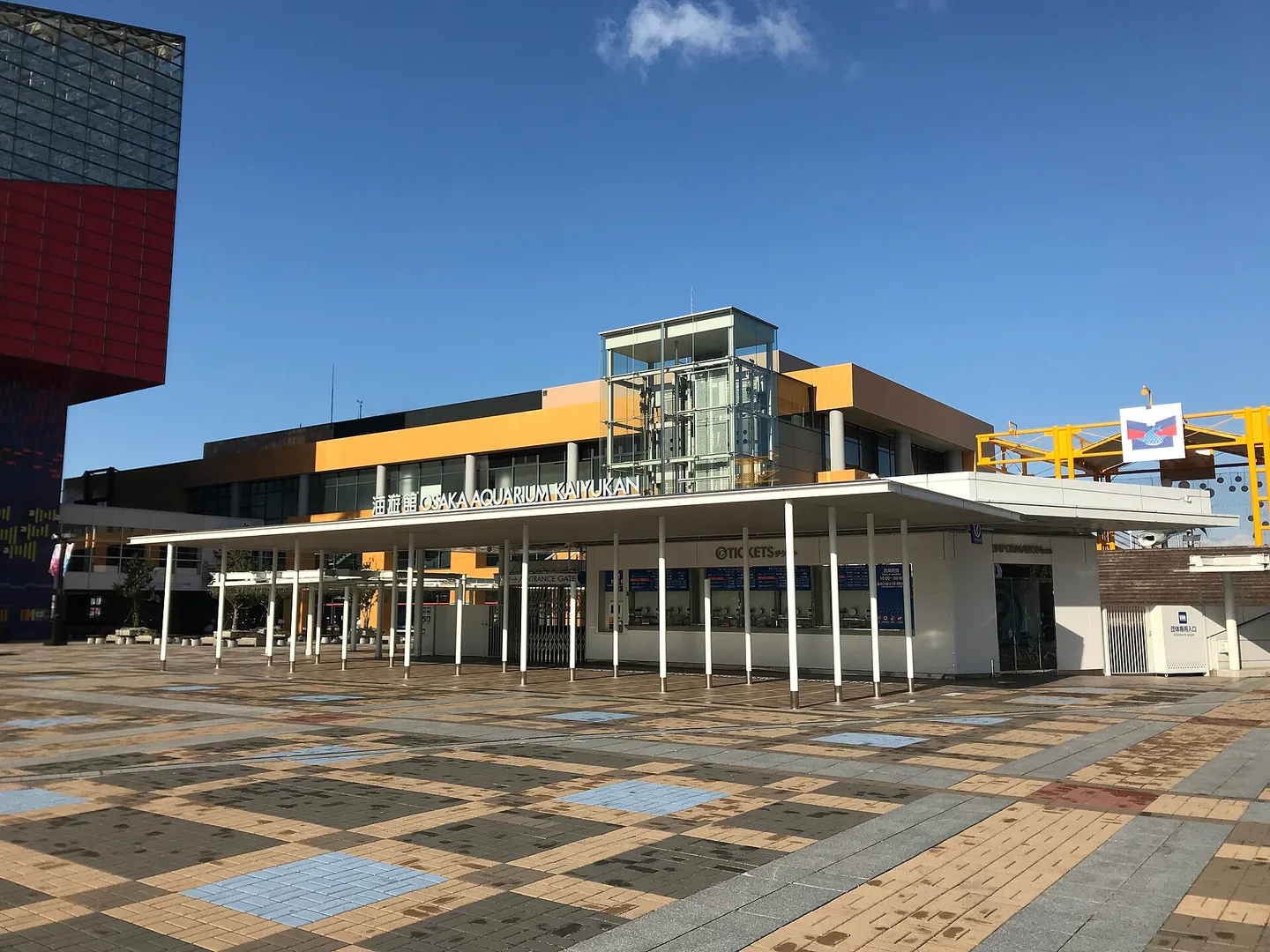
| Osaka Aquarium Kaiyukan | 2–10 | Fully indoor | Very — one continuous descending ramp route | Osakako Station, Chuo subway line | 2–3 hours |
| Tokyo Disneyland / DisneySea | 4–11 (DisneySea skews older) | Outdoor | Moderate — long distances, stroller rental on site | ~15 min from Tokyo Station on the JR Keiyo Line | Full day |
| City observation decks | 5+ | Indoor | Easy | Central | 1–2 hours |
A few things that consistently matter more than ticket price:
- Under 3, indoor wins. Puroland and Kaiyukan are single-building venues, so a nap or a wet morning doesn't wreck the plan. A Disney day with a toddler means 12,000+ steps outdoors.
- DisneySea is the older-kid park — height limits on the headline rides, theming aimed higher. Disneyland is the safer pick under 6.
- One anchor per day. Two attractions plus transit is where families come unstuck; transfers eat 30–45 minutes each. For the observation decks, Tokyo Tower vs Skytree vs Shibuya Sky compares views and queues.
Trains with Kids: Who Pays, and What It Costs You in Time
Child fares in Japan are generous and consistent across JR, subways and most private railways.
| Age | Local trains & subways | Shinkansen | Notes |
|---|---|---|---|
| Under 1 | Free | Free | Free unless occupying a reserved seat |
| 1–5 | Free | Free | Up to two children free per fare-paying adult; a third pays child fare |
| 6–11 | Half adult fare | Half adult fare | Rail passes also discount 50% for this bracket |
| 12 and over | Full adult fare | Full adult fare | No student discount for visitors |
The money is easy. The friction is physical:
- Rush hour is 7–9am and 5–7pm on weekdays. With a stroller these two windows are genuinely difficult, not just unpleasant. Shift museum and park arrivals to 10am and you skip both.
- Lifts exist but are badly placed — often at the far end of the platform or behind a separate gate. Budget an extra 10 minutes per transfer with a stroller.
- Watch the Shinkansen baggage rule. Suitcases totalling more than 160cm (height + width + depth) need a reserved oversized-baggage seat on the Tokaido, Sanyo, Kyushu and Nishikyushu lines; boarding without one costs a ¥1,000 surcharge no rail pass covers.
- Send the big bags ahead. Door-to-door forwarding (takuhaibin) usually delivers next day, and coin lockers run roughly ¥400–1,000 daily. City-to-city with just a day bag and a stroller changes the trip.
- Renting a car? Children under 6 must be in a rear-seat child seat; rental outlets stock them, but reserve ahead.
Day one sets the tone — Narita and Haneda to Tokyo covers which airport routes are step-free.
Diapers, Formula and Nursing Rooms: Bring Less Than You Think
Japan is very well supplied for babies, so the packing calculus is simple: bring one day's worth and restock on arrival.
- Diapers and wipes are stocked in every drugstore chain and most supermarkets, sized by weight in kilograms rather than by month. Convenience stores carry small emergency packs.
- Formula and baby food are sold in drugstores and supermarkets. Bring your own bottle and any brand your child refuses to switch from.
- Nursing rooms are standard in department stores, malls and theme parks, usually with private booths, a sink and hot water for bottles.
- Changing tables appear in both women's and men's restrooms, and in the larger multi-purpose restrooms near station ticket gates.
- What to actually pack: a lightweight foldable stroller, a carrier for stair-only stations, and snacks for train journeys.
One cultural note: eating on local commuter trains is generally avoided, but it's completely normal on the Shinkansen. Save the snack box for the long ride.
Two Sample Days That Actually Hold Up
- Tokyo, ages 2–5: late breakfast, Sanrio Puroland from opening to early afternoon, back before the evening rush. One line each way, so no transfers with the stroller.
- Osaka, ages 4–9: Kaiyukan first thing, lunch at the adjacent Tempozan complex, early return so nobody is on the subway at 6pm. Kaiyukan's route is one descending ramp, so a stroller never meets a staircase.
Both share the same shape: one anchor attraction, an indoor fallback, travel outside the rush windows.
Tickets Worth Sorting Before You Fly
Two of these are worth buying in advance for practical reasons rather than price. Tokyo Disney Resort tickets are date-based and popular dates sell out, so families lose flexibility by waiting; check the live product cards below for current prices and coupons. Sanrio Puroland and Kaiyukan rarely sell out but skipping the ticket window with a tired child is worth something on its own.
For transport, a Tokyo Subway Ticket (24/48/72-hour) covers Tokyo Metro and Toei lines and pairs well with the child-fare rules above — under-6s ride free (up to two per paying adult), while children aged 6–11 need their own child pass at half the adult price (¥500/¥750/¥1,000 vs ¥1,000/¥1,500/¥2,000 for 24/48/72 hours), so a family with only toddlers can often get by with adult passes alone. Current prices and coupons across platforms are compared below.
Compare prices for related tickets


FAQ
Do young children need train tickets in Japan?
No — children under 6 ride free, with up to two free children per fare-paying adult. Ages 6–11 pay half the adult fare, and from 12 they pay full fare. A child occupying a reserved seat pays the child fare regardless of age.
Can I take a stroller on Japanese trains?
Yes, strollers are allowed and don't need to be folded on local trains. The practical limits are rush hour (7–9am and 5–7pm) and lift placement — most major stations have step-free routes, but the lift is often far from where you enter.
Should I bring diapers and formula from home?
Bring one day's supply only. Both are sold in every drugstore chain and most supermarkets across Japan, with diapers sized by the child's weight in kilograms.
Which Tokyo theme park is best for a toddler?
Sanrio Puroland, because it's entirely indoors, flat, and small enough to finish in half a day. Tokyo Disneyland works from around age 4; DisneySea suits older children because of ride height limits and its theming.
At what age do children need a Tokyo Disney Resort ticket?
From age 4. Children 3 and under enter free, ages 4–11 pay the Child rate, 12–17 the Junior rate and 18+ the Adult rate, based on the guest's age on the day of the visit.
Sources
- Japan Guide — Traveling with Children in Japan (child fares, facilities)
- Tokyo Disney Resort Official FAQ — ticket age categories
- Sanrio Puroland Official — Overseas visitor page (access, age brackets, indoor park)
- Osaka Aquarium Kaiyukan Official — visitor information
- Japan Guide — Luggage in Japan (Shinkansen oversized baggage, lockers, forwarding)
- Tokyo Metro — Tokyo Subway Ticket adult & child prices (official)
Alvin LimRuns Alvin Travel
Tour guide for 5 years: a Chinese- and English-language guide in Korea, now a certified Korean-language guide in Taiwan. Based in Taipei and studying for a master's degree at National Taiwan University (NTU).
About us and how our guides are made →More guides
- Plan & Pack · 2026-10-23Loy Krathong & Yi Peng 2026: Dates, Tickets & Fake Sites
- Plan & Pack · 2026-10-10Shanghai Disneyland 2026: Tickets, Metro & Where to Stay
- Plan & Pack · 2026-10-10Fukuoka Budget Hotels 2026: Hakata vs Tenjin vs Nakasu
- Plan & Pack · 2026-10-02Korea Autumn Foliage 2026 Peak Dates: Seoraksan Oct 20