Carry-On Only in Asia 2026: What Actually Fits
Updated: 2026-08-25
AirAsia and Peach cap carry-on at 7kg total including your bag, while Scoot allows 10kg in economy, and an empty wheeled cabin case alone can weigh 2.5-3.5kg (checked 16 August 2026).
Official Cabin Limits: The Weight Is the Constraint
Asian LCCs generally allow two pieces but weigh them together. Figures below are from each airline's own published policy.
| Airline | Pieces | Total weight | Main bag max | Personal item max |
|---|---|---|---|---|
| AirAsia | 2 | 7kg combined | 56 × 36 × 23 cm (115cm linear) | 40 × 30 × 10 cm (80cm linear) |
| Scoot (Economy) | 2 | 10kg combined | 54 × 38 × 23 cm (115cm linear) | 40 × 30 × 10 cm |
| Scoot (ScootPlus) | 2 | 15kg combined | 54 × 38 × 23 cm | 40 × 30 × 10 cm |
| Peach | 2 (1 bag + 1 personal item) | 7kg combined | Three dimensions summing under 115cm | Must fit under the seat |
- "Combined" is the word that catches people. Two pieces does not mean 7kg each.
- Peach measures by linear sum, not by a fixed box, so an unusually shaped bag can still pass if the three dimensions add up under 115cm.
- Handles, wheels and external pockets count toward the dimensions on every policy above.
- Other carriers vary widely. Full-service airlines in the region are typically more generous, and other budget airlines are not — check the policy on the specific booking rather than assuming a regional standard.
Weighing at the gate is inconsistent. Some airports weigh every passenger's bag before boarding, others never do. Plan for the strict version, because the fee for a gate-checked bag is always higher than the fee for prebooked hold luggage.
A Realistic 7kg Budget
Approximate weights, useful for planning rather than precise. The point is proportion: the bag and the electronics decide whether the rest fits.
| Item | Typical weight |
|---|---|
| Soft cabin bag or backpack (empty) | 0.8–1.5 kg |
| Hard-shell wheeled cabin case (empty) | 2.5–3.5 kg |
| Laptop + charger | 1.5–2.5 kg |
| Phone, cables, power bank | 0.4–0.8 kg |
| Four T-shirts, two trousers, underwear, socks | 1.8–2.5 kg |
| Light jacket | 0.4–0.7 kg |
| Shoes (second pair) | 0.7–1.0 kg |
| Toiletries (travel sizes) | 0.4–0.8 kg |
Run the arithmetic and the trade-offs become obvious:
- Hard shell + laptop = 5kg before clothes. On a 7kg airline that leaves you 2kg, which is about four days of clothing and nothing else.
- Soft bag + tablet instead of laptop frees roughly 3kg — the difference between a cramped trip and a comfortable one.
- Wear the heaviest items. Jacket, boots and jeans on your body are not weighed.
- A second pair of shoes is the most commonly regretted item. One versatile pair covers most Asian city trips.
- Toiletries are the easiest cut. Convenience stores in Japan, Korea and Taiwan sell everything you'd bring, usually in better travel sizes than you own.
What to Leave Home in Japan, Korea and Taiwan
Carry-on-only is far easier in these three markets than almost anywhere, because the retail density is extraordinary and prices for basics are low.
| Category | Bring | Buy on arrival |
|---|---|---|
| Toiletries | Prescription items, contact lenses | Shampoo, toothpaste, razors, sunscreen — 24h convenience stores |
| Laundry | 3–4 days of clothes | Coin laundry; almost every neighbourhood has one |
| Umbrella | — | Convenience store, cheap and everywhere |
| Adapters | Universal adapter for Taiwan/Japan (Type A) | — |
| Snacks and water | — | Convenience stores, cheaper than airport prices |
Two more things that make the difference:
- Coin laundry changes the maths entirely. With one wash mid-trip, three days of clothing covers ten days. This is the single technique that makes 7kg viable on a long trip.
- Battery rules are non-negotiable. Power banks and spare lithium batteries must travel in the cabin, never in the hold — which is convenient when you have no hold bag, but means they always count against your 7kg.
- Liquids still follow the standard security limits in containers of 100ml or less inside a single transparent bag. With a 7kg allowance you were never going to bring full-size bottles anyway.
Getting from the airport into the city is smoother with one bag too — see Incheon Airport to Seoul for how much easier the train becomes without a suitcase to wrestle.
The Things Worth Sorting Before You Fly
Travelling light works best when the friction points are handled in advance rather than at an airport counter with a bag on your shoulder. Two matter more than the rest: connectivity and city transport.
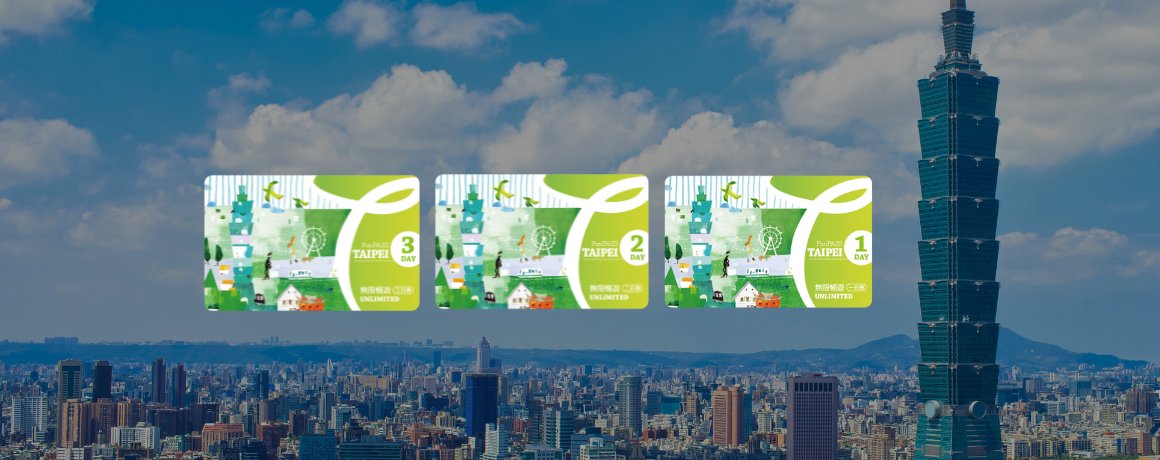
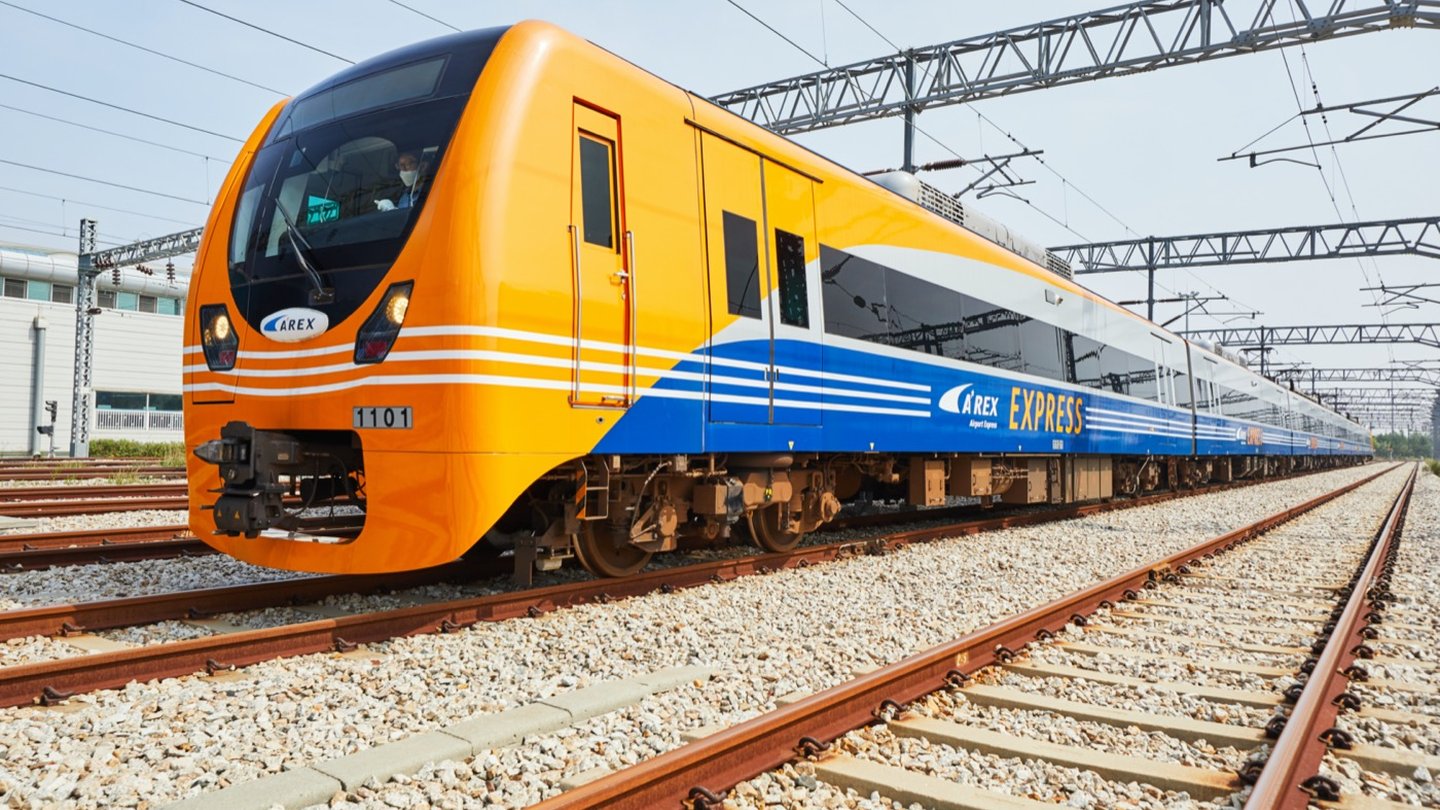
An eSIM removes a physical SIM, an ejector pin and a queue from the trip — the Japan unlimited data eSIM was listed from US$0.49 on KKday (observed 12 Jul 2026). Prepaid transit is the other one: the Incheon AREX express train was listed from US$7.64 on KKday (observed 9 Jul 2026) and US$11.45 on Viator (observed 16 Aug 2026), and the Taipei Fun Pass from US$43.50 on Klook (observed 15 Aug 2026) and US$54.73 on KKday (observed 22 Jul 2026). Observation dates differ, so check current prices in the cards below before booking.
Compare prices for related tickets


FAQ
How much can I actually bring on an Asian budget airline?
Usually 7kg total across two pieces on AirAsia and Peach, or 10kg on Scoot in economy. The weight is combined, so your laptop bag and your cabin case are weighed together rather than separately.
Do airlines really weigh carry-on bags in Asia?
Sometimes, and it varies by airport rather than by airline. Gate weighing is common enough at busy Southeast Asian hubs that planning to be under the limit is the only reliable approach — gate-checking a bag costs considerably more than prebooking hold luggage.
Can I take a power bank in my carry-on?
Yes, and it must be in the cabin — power banks and spare lithium batteries are prohibited in checked luggage. Since it travels with you, remember that it counts toward your 7kg or 10kg cabin allowance.
How many days can I travel with 7kg?
As long as you like, if you use coin laundry. Three to four days of clothing plus one mid-trip wash covers a two-week trip comfortably in Japan, Korea and Taiwan, where laundromats are common and cheap.
Is a hard-shell case a bad idea for carry-on-only?
On a 7kg airline, usually yes. An empty hard-shell cabin case weighs 2.5–3.5kg against 0.8–1.5kg for a soft bag, so the shell alone can consume a quarter of your entire allowance.