
Japan Autumn Foliage 2026: When and Where to Go
By Alvin LimPublished Updated
views 4AI reads 118
As of October 2026, the latest forecasts put peak autumn colour in the Tokyo and Kyoto lowlands from late November into December: Weathernews spot forecasts (checked 21 October) expect Kyoto's Arashiyama from about 25 November and Mt Takao from about 23 November, and Japan Meteorological Corporation (1 October) puts Tokyo's benchmark maples at about 28 November and Kyoto's at about 11 December. Mountain areas turn first, with Nikko's Irohazaka road expected from about 27 October.
When do autumn leaves peak in each region of Japan in 2026?
Autumn colour peaks across roughly three months, from mid-September in Hokkaido's high mountains to December in the Tokyo and Kyoto lowlands, and elevation matters as much as latitude. In Weathernews' spot forecasts (checked 21 October), Nikko's Irohazaka road peaks from about 27 October, about a month before Mt Takao on Tokyo's western edge (about 23 November). That's why "when should I go to Japan for autumn leaves" has no single answer — it depends which Japan you mean.
| Region / elevation | Typical peak window | 2026 forecast (examples) | What this means for planning |
|---|---|---|---|
| Hokkaido high mountains (Daisetsuzan area) | mid September – mid October | Daisetsuzan Asahidake peaked at the usual time and its 2026 colour is already over (as of 8 Oct) | The earliest colour in Japan; requires a dedicated trip north |
| Tohoku | early October – early November | Yamagata Zao (mid-slope) peaked 4 days early and Bandai-Azuma Skyline on time (by 8 Oct); Lake Towada about 24 Oct, Oirase Gorge about 23 Oct (both about half coloured on 21 Oct) | Mountain areas first, valleys and towns such as Hiraizumi later in the window |
| Central Japan and Nikko, higher elevations | October | Kamikochi (Kappa Bridge) at peak as of 21 Oct; Nikko Irohazaka about 27 Oct (about half coloured on 21 Oct) | Mountain spots turn weeks before the cities below them |
| Tokyo / Kanto lowlands | late November – early December | Mt Takao about 23 Nov; Shinjuku Gyoen about 7 Dec; Tokyo benchmark maples 28 Nov (JMC) | City parks and gardens are the late act, not the early one |
| Kyoto / Kansai lowlands | mid November – early December | Arashiyama about 25 Nov, Nara Park about 21 Nov; Kyoto benchmark maples 11 Dec, ginkgo 27 Nov (JMC) | Same late tendency as Tokyo |
| Southern Japan, low elevation | mid – late November, some trees colouring into December | Miyajima about 20 Nov; Akizuki castle ruins (Kyushu) about 29 Nov | The tail end of the season |
Typical windows: japan-guide.com's average-year chart. 2026 dates: Weathernews spot forecasts as checked 21 October 2026 (start of peak = the day about 70% of a spot has coloured), or JMC — Japan Meteorological Corporation, 2nd forecast of 1 October 2026 (the first day most leaves on the Japan Meteorological Agency's benchmark tree have turned). Both will be revised again: Weathernews in late October, JMC in early November.
Two caveats that matter more than the table itself:
- Timing moves. Depending on the preceding months' temperatures, peak can shift by a few days to one or two weeks either way. For 2026 both forecasters expect a warm autumn — JMC has Sapporo's maples 7 days late (4 November against an average of 28 October).
- Peak doesn't last all season. Colour at a single spot typically holds for a couple of weeks or so, so a fixed one-day plan built months ahead is still the least reliable way to do this.
How should I plan a trip around the 2026 forecasts?
Plan a five-to-seven-day window rather than a fixed date, because the 2026 forecasts (latest: JMC 1 October, Weathernews 8 October) are still being revised and peak can move by a week either way.
- Pick a window, not a date. Five to seven days around the middle of a region's typical range absorbs a one-week shift in either direction.
- Pair a high place with a low place. If the mountains have already dropped their leaves, the city gardens are usually just starting; if the city is still green, go up. A Tokyo base plus a mountain day trip covers both outcomes without changing your hotel.
- Check the updates before committing to specific spots. Japan Meteorological Corporation covers about 700 named spots (next update early November), Weathernews about 1,200 (next update late October), and tenki.jp (Japan Weather Association) issued its second 2026 forecast on 14 October. Book flights and lodging first, sightseeing days after.
- Weekday over weekend. Famous maple spots at peak are genuinely crowded, and the difference between a Tuesday and a Sunday is substantial. In Kyoto, the city's official tourist information centre confirms autumn-leaf season is crowded and says the suburbs are quieter than the inner city.
- Early morning beats golden hour at ticketed gardens, which mostly close in the late afternoon in autumn (see below) — the light everyone photographs is often after closing time.
Where can I see autumn leaves in Tokyo itself?
Shinjuku Gyoen is the easiest in-city choice, with Weathernews forecasting its peak from about 7 December 2026 and Mt Takao's from about 23 November. Shinjuku Gyoen is the most reliable in-city option because it holds a mix of tree species, so something is colouring across a long stretch of the season rather than all at once.
| Detail | Shinjuku Gyoen (autumn) |
|---|---|
| Admission | ¥500 adults · ¥250 seniors 65+ and students (high school and above) · free for middle school and below |
| Hours, 1 Oct – 14 Mar | 09:00–16:30, last entry 16:00 |
| Closed | Mondays (following weekday if Monday is a holiday); 29 Dec – 3 Jan |
| Exception | Open daily during the chrysanthemum exhibition, 1–15 November |
| Paying at the gate | Transit IC cards are accepted at the entry gates |
| Annual pass | ¥2,000 general · ¥1,000 high school students |
The short winter hours are the detail people get wrong: from 1 October the garden shuts at 16:30 with last entry at 16:00, and in late November Tokyo's sunset is also around 16:30. Plan it as a midday stop, not an evening one.
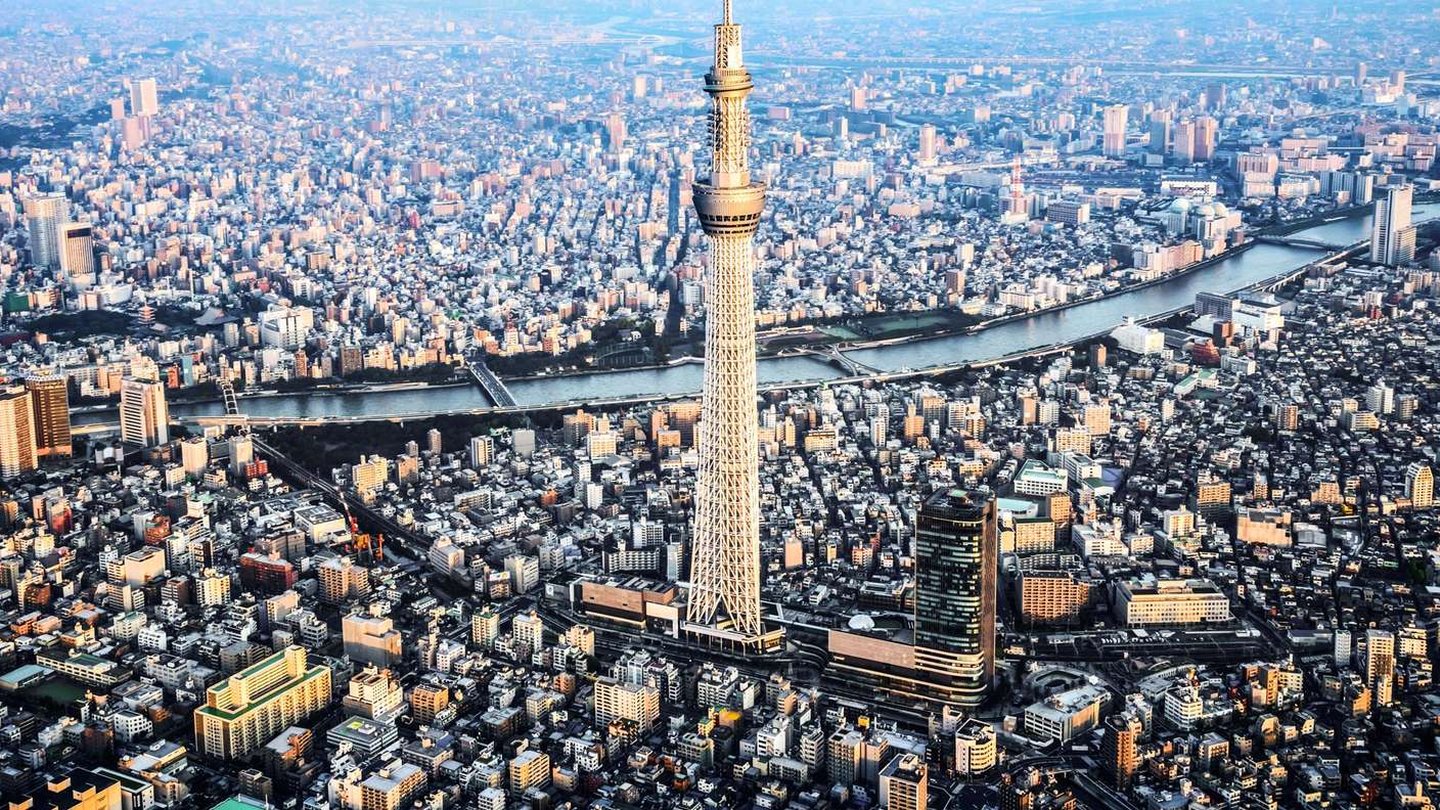
For a wider read on how the colour is progressing across the city, height helps — an observation deck shows you which districts have turned before you commit an afternoon to getting there. Our Tokyo Skytree ticket guide covers which floor to pick and how to time a sunset slot.
What should I wear for late-autumn days in Japan?
Pack layers rather than a heavy coat: late autumn in Japan is a layering problem, not a cold-weather problem. Daytime in Tokyo and Kyoto in November is often mild; mornings, evenings and anywhere above a few hundred metres are not.
- Layers over a heavy coat. A light insulated jacket plus a mid-layer covers a mountain morning and a mild city afternoon without you carrying a coat around all day.
- Shoes that handle wet stone. Temple grounds, garden paths and mountain viewpoints are frequently damp under leaf cover.
- A compact daypack — you will shed layers by 11am and want them back by 4pm.
- Cash for smaller temples and gardens, several of which still take entry fees at a manned window rather than a card reader.
- Arrive earlier than feels necessary at anywhere with a name. If your itinerary starts from the airport, our Narita and Haneda to Tokyo guide covers which transfer gets you into the city fastest for a same-day start.
What should I book before I go?
Book queue-prone tickets and, for multi-region trips, rail before you land. The first is anything with a queue: garden and observation-deck tickets bought in advance let you skip the ticket window — Shinjuku Gyoen's web tickets, for example, are scanned straight at the gate.
The second is rail. If your autumn plan involves chasing the colour between regions — Tohoku one week, Kyoto the next — the maths on a multi-day rail pass changes completely versus a Tokyo-only trip, so it's worth running the numbers before you book point-to-point tickets. A 7-day Ordinary Japan Rail Pass is ¥50,000 on the official site but ¥53,000 via overseas agencies for purchases from 1 October 2026 (the official-site price is held for a limited time). A guided Mt. Fuji day tour is the other common shortcut, since the Fuji Five Lakes area — Weathernews forecasts Lake Kawaguchi's lakeshore peak from about 16 November 2026 — takes planning to reach and get around by public transport in a single day. Current platform prices for these are below.
Compare prices for related tickets



FAQ
When is the best time to see autumn leaves in Japan?
It depends on the region: Hokkaido's high mountains peak from mid-September, Tohoku from early October, and the Tokyo and Kyoto lowlands from the second half of November into early December. For 2026, the latest forecasts (JMC 1 October, Weathernews 8 October) expect peaks at or slightly later than usual.
Has the 2026 autumn foliage forecast been published?
Yes — Japan Meteorological Corporation issued its second 2026 forecast on 1 October and Weathernews its second on 8 October, with next updates due in early November and late October. Japan Weather Association (tenki.jp) issued its second 2026 forecast on 14 October.
Can I see autumn colours in Tokyo itself?
Yes, and usually later than people expect — city parks and gardens are typically at their best from late November into early December; for 2026, Japan Meteorological Corporation expects Tokyo's benchmark maples to turn around 28 November (forecast of 1 October). Shinjuku Gyoen is the most dependable option because its mix of tree species spreads colour over a longer stretch of the season.
When do Kyoto's autumn leaves peak in 2026?
Weathernews spot forecasts (checked 21 October) expect Arashiyama from about 25 November and Tofuku-ji from about 24 November 2026, while Japan Meteorological Corporation puts Kyoto's benchmark maple at about 11 December. Expect heavy crowds at peak; Kyoto's official tourist information centre says the suburbs are quieter than the inner city.
How much is Shinjuku Gyoen and when does it close in autumn?
Admission is ¥500 for adults, ¥250 for seniors aged 65+ and students from high school up, and free for middle school students and younger. From 1 October to 14 March it opens 09:00–16:30 with last entry at 16:00, and it closes on Mondays except during the 1–15 November chrysanthemum exhibition.
How long does peak colour last at one spot?
Typically a couple of weeks or so, according to japan-guide.com, versus about a week for cherry blossoms. Timing still shifts from year to year, so a five-to-seven-day window with spots chosen on arrival works far better than a single date fixed months ahead.
Sources
- Japan Meteorological Corporation — 2026 Autumn Foliage Forecast (2nd forecast), 1 October 2026
- Weathernews — 2nd koyo peak forecast 2026, 8 October 2026 (Japanese)
- Weathernews — 2026 forecast, North Japan edition, updated 8 October 2026 (Japanese)
- Weathernews — 2026 forecast, East Japan edition, updated 8 October 2026 (Japanese)
- Weathernews — 2026 forecast, West Japan edition, updated 8 October 2026 (Japanese)
- Weathernews — 2nd koyo forecast press release, 8 October 2026 (PDF, Japanese)
- Weathernews — Tokyo koyo spot forecasts (Mt Takao, Shinjuku Gyoen)
- Weathernews — Kyoto koyo spot forecasts (Arashiyama, Tofuku-ji)
- Weathernews — spot koyo forecasts (Tokyo, Kyoto, Aomori, Tochigi and more), checked 21 October 2026 (Japanese)
- 日本気象協会 tenki.jp — 紅葉見頃予想 2026(第2回 10月14日)
- japan-guide.com — Autumn Colors: The koyo front and seasonal progression
- japan-guide.com — When to see the autumn colors (regional timing)
- Ministry of the Environment — Shinjuku Gyoen National Garden admission and hours
- National Astronomical Observatory of Japan — Tokyo sunrise and sunset, November 2026
- JAPAN RAIL PASS — Types and prices
- Kyoto City Official Travel Guide — Is it crowded everywhere during the autumn leaves season?
- JNTO (japan.travel) — Price increases for the nationwide Japan Rail Pass, October 2026
Alvin LimRuns Alvin Travel
Tour guide for 5 years: a Chinese- and English-language guide in Korea, now a certified Korean-language guide in Taiwan. Based in Taipei and studying for a master's degree at National Taiwan University (NTU).
About us and how our guides are made →More guides
- Plan & Pack · 2026-10-23Loy Krathong & Yi Peng 2026: Dates, Tickets & Fake Sites
- Plan & Pack · 2026-10-10Shanghai Disneyland 2026: Tickets, Metro & Where to Stay
- Plan & Pack · 2026-10-10Fukuoka Budget Hotels 2026: Hakata vs Tenjin vs Nakasu
- Plan & Pack · 2026-10-02Korea Autumn Foliage 2026 Peak Dates: Seoraksan Oct 20