
Asia Holiday Crowd Calendar: Sept–Oct 2026
By Alvin LimPublished Updated
views 13AI reads 282
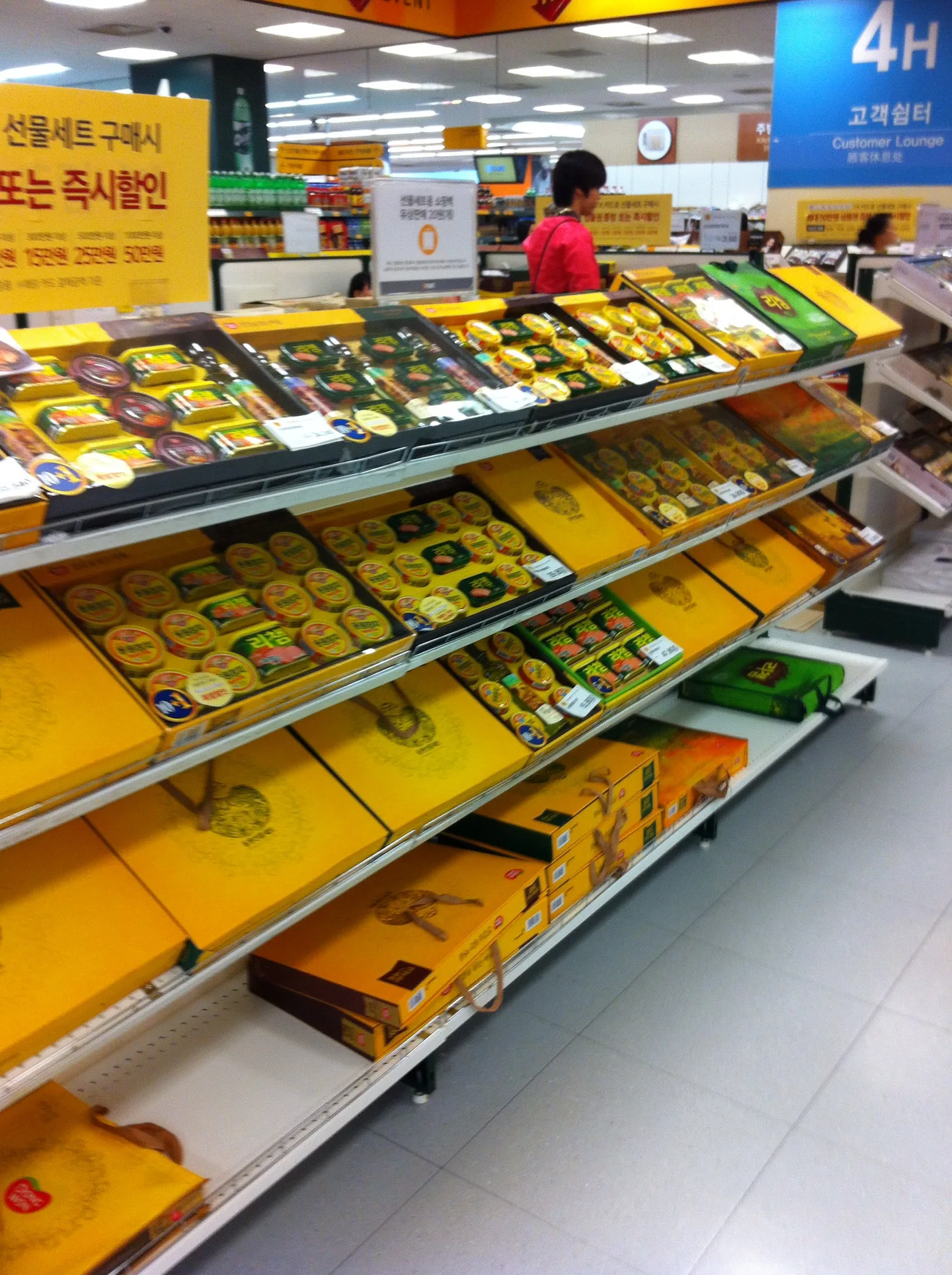
Two crowded windows hit East Asia this autumn: September 24-28, when Korea's Chuseok overlaps Taiwan's and China's Mid-Autumn holidays, and October 1-11, when China's Golden Week overlaps Taiwan's Double Ten and Korea's Hangeul Day; Japan's own Silver Week falls separately, September 19-23 (checked 16 August 2026).
Asia's Autumn 2026 Holiday Calendar at a Glance
Governments publish these dates a year ahead, so nothing here is a guess — but each market peaks on different days, which is exactly why "Asia in autumn" has no single busy week.
| Market | Holiday | Official dates | Days off | Notes |
|---|---|---|---|---|
| Japan | Silver Week (Respect for the Aged Day + Autumnal Equinox Day) | Sep 19 (Sat) – Sep 23 (Wed) | 5 | Sep 22 is a bridge holiday between the two |
| Japan | Sports Day weekend | Oct 10 (Sat) – Oct 12 (Mon) | 3 | |
| South Korea | Chuseok | Sep 24 (Thu) – Sep 26 (Sat) | 3 (4 with Sun Sep 27) | Chuseok day itself is Sep 25 |
| South Korea | National Foundation Day | Oct 3 (Sat), observed Mon Oct 5 | 3 | |
| South Korea | Hangeul Day | Oct 9 (Fri) | 3 with the weekend | |
| Mainland China | Mid-Autumn Festival | Sep 25 (Fri) – Sep 27 (Sun) | 3 | Make-up workday Sun Sep 20 |
| Mainland China | National Day Golden Week | Oct 1 (Thu) – Oct 7 (Wed) | 7 | Make-up workday Sat Oct 10 |
| Taiwan | Mid-Autumn + Teachers' Day | Sep 25 (Fri) – Sep 28 (Mon) | 4 | |
| Taiwan | Double Tenth Day | Oct 9 (Fri) – Oct 11 (Sun) | 3 | Oct 10 falls on Saturday, so Friday is the substitute day |
| Taiwan | Retrocession Day | Oct 24 (Sat) – Oct 26 (Mon) | 3 | |
| Hong Kong | Day after Mid-Autumn Festival | Sep 26 (Sat) | 1 | |
| Hong Kong | National Day | Oct 1 (Thu) | 1 | Many take Oct 2 off for a four-day break |
| Hong Kong | Chung Yeung Festival (observed) | Oct 19 (Mon) | 1 | Falls on Sunday Oct 18 |
The single heaviest overlap is Friday 25 September: Chuseok in Korea, Mid-Autumn in mainland China, Taiwan and Hong Kong, all on the same day.
Where the Crowds Actually Land
A holiday in one country pushes crowds into its neighbours, not just its own cities. Roughly how it plays out:
- Korea, Sep 24–27 — the country empties toward hometowns. Intercity trains and expressways are the choke point; Seoul itself is unusually calm, and some independent restaurants and small shops close for a day or two around Sep 25. Palaces and major attractions stay open and get busy with day-trippers.
- Japan, Sep 19–23 — domestic travel peaks. Shinkansen reserved seats on the Tokyo–Kyoto–Osaka corridor, hotel rates in Kyoto, and theme-park entry all tighten. Japan is quiet again Sep 24–30, before Chinese Golden Week arrives.
- Everywhere, Oct 1–7 — mainland Chinese outbound travel is the region's biggest single wave, and Japan, Korea, Thailand and Taiwan absorb most of it. Expect longer immigration queues, fuller flights and higher hotel rates in those markets even though it is not their holiday.
- Taiwan, Sep 25–28 and Oct 9–11 — domestic long weekends: Taipei hotels fill, high-speed rail books out, and Taipei 101 sees local as well as visiting crowds.
- Hong Kong, Sep 26 and Oct 1 — day-trip volume from the mainland spikes; harbour-front viewing spots on National Day evening are extremely dense.
If your trip has to run through one of these blocks, invert the pattern: stay in a capital while locals leave it, and leave one while locals arrive.
What Books Out First — and When to Lock It In
Different things sell out at different lead times, and the order rarely changes:
- Intercity rail goes first. Korail typically opens regular KTX reservations about a month before departure and runs a separate advance-sale window for the Chuseok period that it announces a few weeks beforehand — check Korail's notice page rather than assuming the usual rule holds. In Japan, reserved shinkansen seats generally go on sale one month before the departure date, and popular Silver Week departures can be gone within the day.
- Hotels in second cities (Kyoto, Busan, Taichung, Hualien) tend to move faster than in capitals, because domestic travellers are heading out of the capitals.
- Date-designated attraction tickets — Tokyo Disney Resort in particular sells entry by specific date, so a peak-week date can be unavailable even when the park is technically open. Buy the date first, plan the day later.
- Airport transfers and city passes rarely sell out, so they can wait; they are the last thing to worry about.
If you are landing in Seoul during one of these blocks, our Incheon Airport to Seoul breakdown covers which route holds up when trains are full, and Where to Exchange Money in Seoul is worth reading before Chuseok, when some downtown exchange counters keep shorter hours.
The Quiet Windows in September–October 2026
Between the two peaks there is more calm than most people assume.
| Window | Why it's calm | Watch out for |
|---|---|---|
| Sep 1 – Sep 18 | No major holiday in any of the five markets | Nothing significant |
| Sep 29 – Sep 30 | Korea, Taiwan and Japan are back at work | Mainland China is already travelling toward Oct 1 |
| Oct 13 – Oct 23 | The longest genuinely quiet stretch of the autumn | Hong Kong's Oct 19 substitute holiday |
| Oct 27 – Oct 31 | Post-holiday lull across the region | Autumn-foliage demand begins in Japan and Korea |
Late September to late October is also one of the more comfortable stretches of the year in Seoul, Tokyo and Taipei. Pack a light layer for mornings and evenings — daytime in Taipei and Hong Kong can still feel like summer in early October.
Dated Tickets Worth Securing Before Peak Weeks
The attractions that get squeezed hardest during these windows are also the ones where buying ahead costs nothing extra: theme parks and observation decks that admit by timed entry or specific date. Everland outside Seoul, Tokyo Disney Resort and the Taipei 101 observatory all sit inside at least one of the peak blocks above, and all three are worth having in hand before you fly rather than queuing at a ticket window on a holiday morning. Comparing platforms first is the sensible order of operations — the same dated ticket often differs by a wide margin across resellers, and the current lowest listings for each are shown below.
Compare prices for related tickets


FAQ
What is the single busiest travel day in Asia in autumn 2026?
Friday 25 September 2026 — Chuseok in South Korea and the Mid-Autumn Festival in mainland China, Taiwan and Hong Kong all fall on that date, so several markets travel at once.
Is Seoul empty or crowded during Chuseok?
Central Seoul is quieter than usual, because a large share of residents travel to hometowns. The pressure is on intercity trains, buses and expressways rather than on the city itself, though some independent shops and restaurants close for a day or two around 25 September.
Does China's Golden Week affect Japan and Korea?
Yes. October 1–7 is mainland China's seven-day National Day holiday and the largest outbound wave of the year, so Tokyo, Osaka, Seoul, Bangkok and Taipei all see fuller flights, longer immigration queues and higher hotel rates that week even though it is not their own holiday.
When should I book trains for these dates?
As early as the operator allows — reserved shinkansen seats generally go on sale one month before departure, and Korail opens KTX reservations roughly a month ahead with a separate advance-sale window for Chuseok.
Which dates in September–October 2026 are calmest?
September 1–18 and October 13–23 are the two clearest stretches, with no major public holiday in Japan, Korea, mainland China, Taiwan or Hong Kong.
Sources
Alvin LimRuns Alvin Travel
Tour guide for 5 years: a Chinese- and English-language guide in Korea, now a certified Korean-language guide in Taiwan. Based in Taipei and studying for a master's degree at National Taiwan University (NTU).
About us and how our guides are made →More guides
- Plan & Pack · 2026-10-23Loy Krathong & Yi Peng 2026: Dates, Tickets & Fake Sites
- Plan & Pack · 2026-10-10Shanghai Disneyland 2026: Tickets, Metro & Where to Stay
- Plan & Pack · 2026-10-10Fukuoka Budget Hotels 2026: Hakata vs Tenjin vs Nakasu
- Plan & Pack · 2026-10-02Korea Autumn Foliage 2026 Peak Dates: Seoraksan Oct 20