
Where to Exchange Money in Seoul (2026): Best Rates
Updated: 2026-09-07
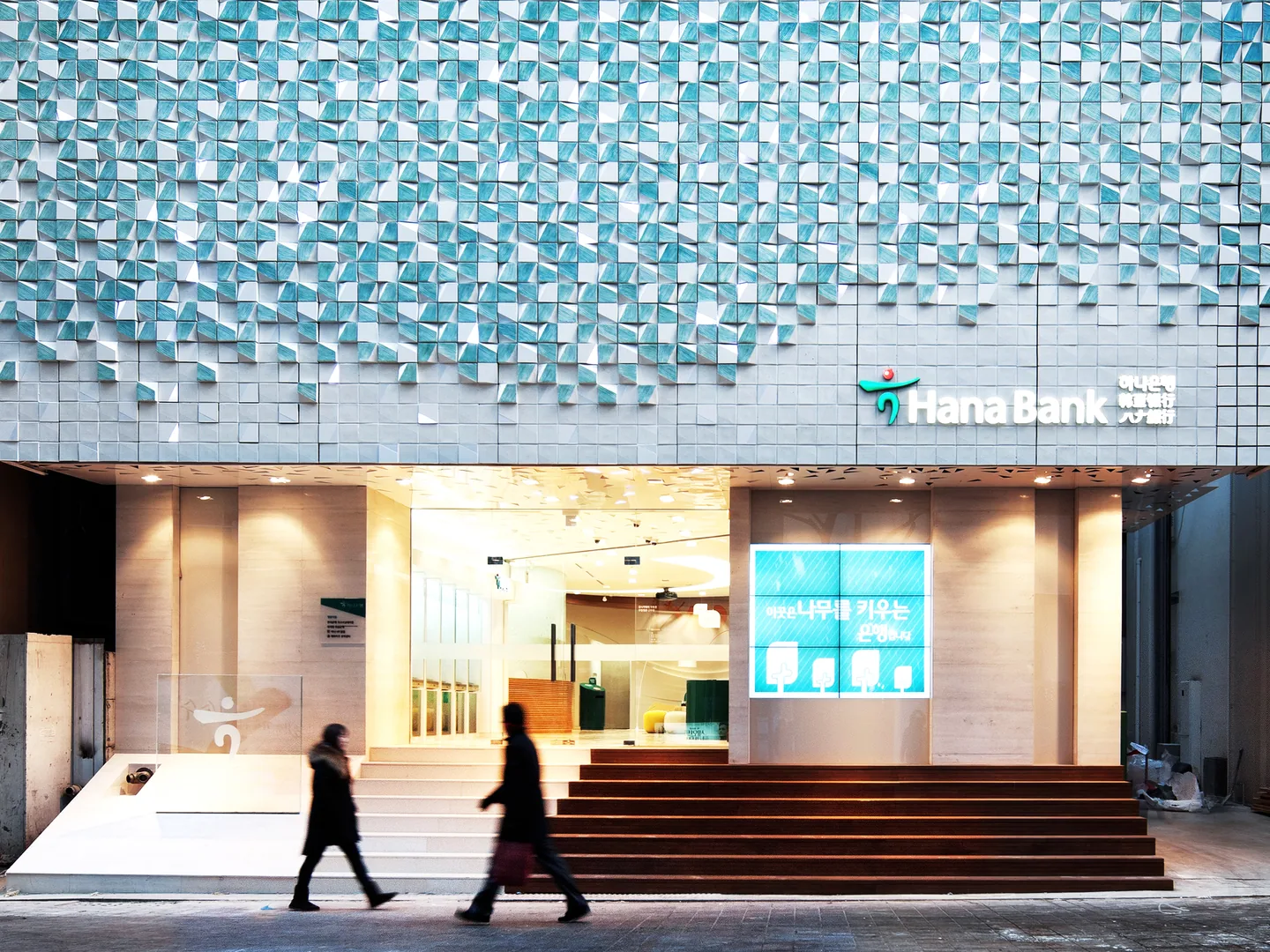
The best place to change cash in Seoul is a licensed money changer in Myeongdong, which beats the airport on rates; the mid-market reference was about ₩1,502 per US$1 as of July 12, 2026, though rates shift daily.
The 6 ways to get Korean won, compared
Seoul gives you six realistic ways to turn your home currency into Korean won (KRW), and the gap between the best and worst is real money. The table below ranks them on the rate you actually get, the fees hiding inside that rate, and how convenient each one is. Our mid-market reference on 12 July 2026 was about ₩1,502 per US$1 — every option is measured against that.
| Method | Rate quality | Fees | Convenience | Best for |
|---|---|---|---|---|
| Myeongdong licensed booth | Best — tightest spreads in the city | None advertised; built into the rate | Cash only; ~09:00–21:00; passport needed | Changing the bulk of your USD or JPY cash |
| Downtown bank desk (Woori/Hana) | Good — about ₩1,476 per US$1 cash on 10 Jul 2026 | Usually none for cash | Weekday desk hours; passport needed | A safe, official rate near your hotel |
| Incheon Airport counter | Worst — widest spread of all | 'No commission'; the cost sits in the rate | Open early to late; some desks 24/7 | A small float for your first ride and meal |
| Global ATM (bank or convenience store) | Near the card-network rate | ₩3,000–₩6,000 per withdrawal + home-bank fees | 24/7; look for the 'Global' label | Topping up won without carrying a wad of cash |
| Card (Visa/Mastercard) | Near mid-market network rate | Your card's foreign-transaction fee; decline DCC | Accepted almost everywhere, any amount | Most day-to-day spending in Seoul |
| WOWPASS kiosk | Near mid-market | ₩6,000 one-time membership; no per-exchange fee | Yellow kiosks in stations and malls; doubles as T-money | Cashless travelers who still want won on a card |
Two numbers anchor the rest: on 10 July 2026 a downtown Woori Bank desk was buying US$1 for about ₩1,476 in cash, against that ₩1,502 mid-market reference — a spread of under 2%. Myeongdong's licensed booths typically beat the bank cash rate, while airport counters typically fall short of it. Rates move every day, so treat these figures as a dated snapshot and check the board when you exchange.
Myeongdong money changers: best rates, cash only
If you are carrying US dollars or Japanese yen, Myeongdong is where you change them. A cluster of licensed private booths sits within a couple of minutes of Myeongdong Station (Line 4), and the constant foreign foot traffic keeps their rates sharp — usually a touch better than a downtown bank desk and clearly better than the airport. Most open around 09:00 and close near 21:00, so evening exchanges are easy, though some booths keep shorter weekend hours.
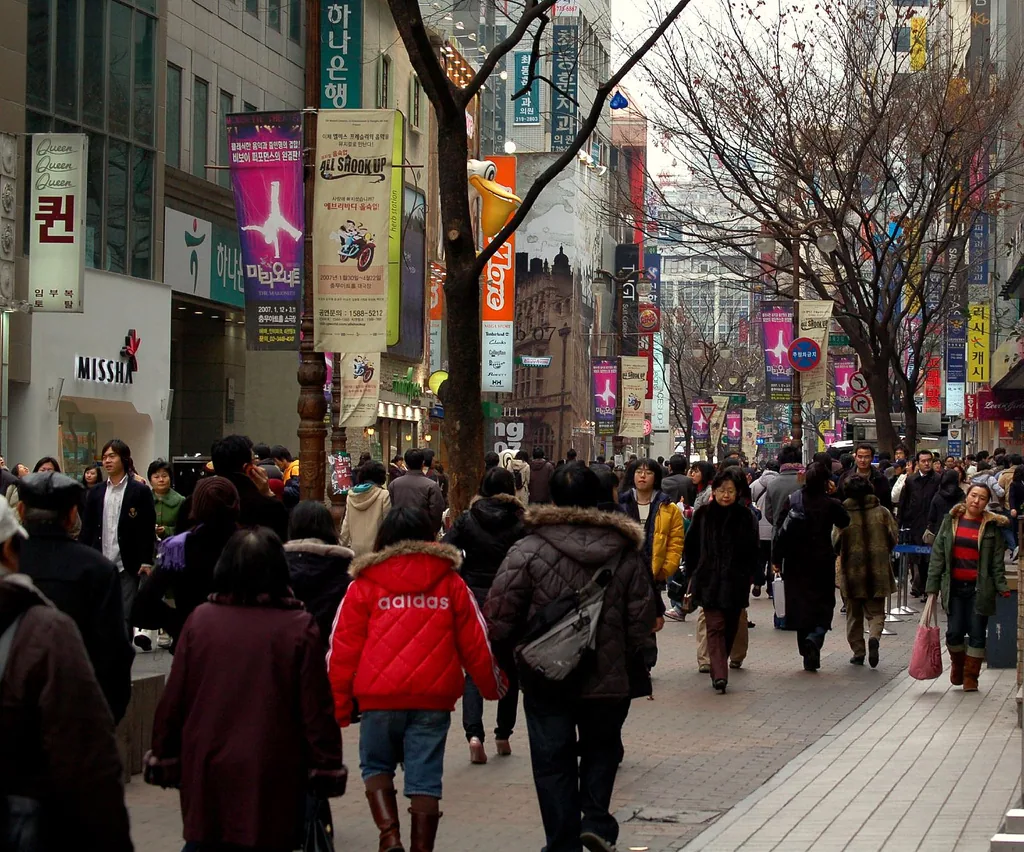
A few rules make the difference here:
- Bring your passport. Korea requires a passport or residence card for any currency exchange, and you can change up to US$10,000 per transaction before a customs declaration is needed.
- USD and JPY get the sharpest rates. Rarer currencies carry wider spreads, so compare before you commit.
- Check two or three LED boards on the same street — rates shift during the day and the first booth is not always the best.
- It is cash in, cash out. Booths do not take cards, so bring clean, undamaged notes.
Myeongdong has the most booths, but the same model runs in Itaewon (handy for a wider range of currencies) and around Dongdaemun (convenient while shopping the night markets). Rates across these districts are broadly similar — Myeongdong simply packs the most competitors onto one street.
The airport question: change a little, not a lot
Incheon Airport (ICN) is the most convenient place to exchange money and, predictably, the least generous. The counters advertise no commission, but the cost is baked into the rate: you get noticeably fewer won per dollar than at a downtown bank, and the gap grows the more you change. On pocket money it barely matters; on several hundred dollars it can cost you a good meal.
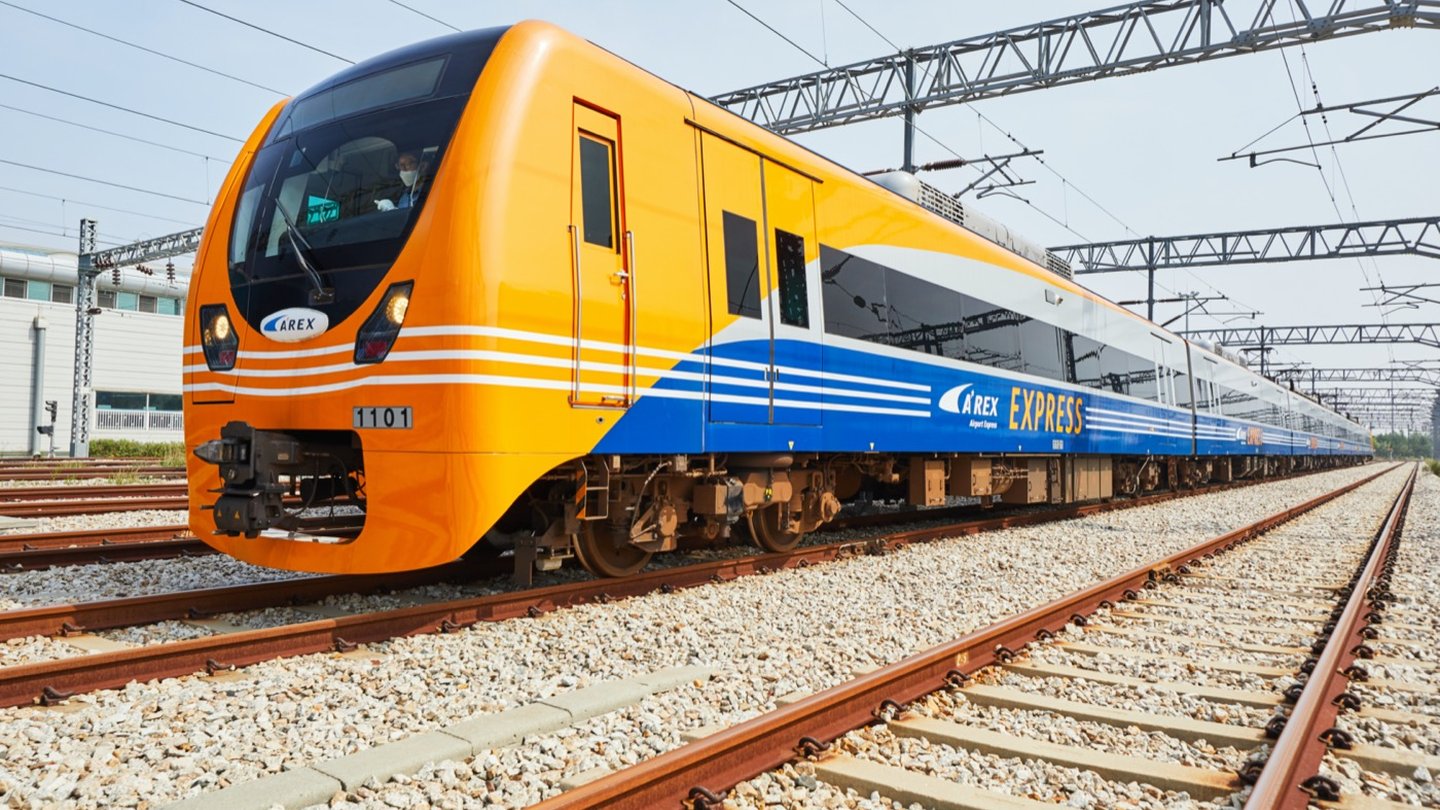
The smart move is to change just US$50–100 at the airport — enough for the train into town, a SIM card and a first meal — then do the real exchange in Myeongdong. Airport bank desks keep long hours and some run 24/7, so a late landing is no problem. From ICN the AREX Express reaches Seoul Station in about 43 minutes, leaving you a short subway hop from the Myeongdong booths.
Prefer to skip cash on arrival? The airport also has bank ATMs and WOWPASS kiosks, and your card will cover the train and most shops from the moment you land.
Cards, ATMs and WOWPASS: the cashless route
Seoul is one of the most card-friendly cities anywhere. Visa and Mastercard work almost everywhere — convenience stores, cafes, restaurants, taxis and shops — for any amount, so plenty of visitors barely touch cash. Two habits keep card spending cheap: carry a card with low or no foreign-transaction fees, and always choose to be billed in Korean won, not your home currency. That pay-in-your-own-currency prompt is dynamic currency conversion (DCC), and it quietly marks up the rate.
For won on demand, look for a Global ATM at banks and inside CU, GS25 and 7-Eleven convenience stores. Expect a Korean-side fee of about ₩3,000–₩6,000 per withdrawal, plus whatever your home bank adds, so fewer, larger withdrawals beat lots of small ones. The machine rate itself is close to the network rate — it is the flat fees that add up.
WOWPASS is the middle path: load foreign cash at one of the bright-yellow kiosks in stations, hotels and malls, and it converts to won on a reloadable card at a near mid-market rate with no per-exchange fee (there is a one-time ₩6,000 membership). The same card doubles as a T-money transit card for subways, buses and many taxis. For the full walkthrough, see our WOWPASS guide.

When you still need cash in Seoul
Even in a tap-to-pay city, a small stash of won earns its place. The classic cash-only spots are street food and traditional markets — Gwangjang, Namdaemun and Tongin among them — plus some tiny family-run eateries and stalls that never took cards.
The other big one is transit top-ups. Reloading a T-money card at a convenience store is cash only for visitors, because the in-store recharge machines do not take foreign cards. The bright spot for 2026: Seoul Metro has been rolling out station kiosks that accept international Visa, Mastercard and UnionPay for single tickets and top-ups, so a card route is finally appearing — but cash is still the sure thing at the corner store.
A simple rule: keep ₩30,000–₩50,000 in small notes for food, markets and transit, put everything else on a card, and you will rarely get caught short. Tipping is not expected in Korea, so there is no need to hold cash for that.
Line up the rest of your Seoul trip
Won sorted? Here is what is worth booking before you fly — the airport train from ICN toward the Myeongdong booths, a Myeongdong experience for while you are in the neighbourhood, and a couple of Seoul favourites you will simply tap a card for. The AREX Express started at about ₩11,500 (roughly US$7.6) on KKday as observed on 9 July 2026; compare live prices on the cards below.
Compare prices for related tickets




FAQ
Should I exchange money at Incheon Airport?
Only a little. Airport counters carry the widest exchange spread in Korea, so change just US$50–100 for your train and first meal, then exchange the rest at a Myeongdong booth. Airport desks open early and late (some run 24/7), which makes them fine for a small arrival float.
Is Korea a cash or card country?
Card. Seoul is highly card-friendly — Visa and Mastercard are accepted almost everywhere for any amount — so most spending goes on plastic. Keep a small amount of won for street food, traditional markets and transit-card top-ups.
Where is the best place to exchange USD in Seoul?
Licensed money changers in Myeongdong, near Myeongdong Station (Line 4). Competition there produces the city's tightest rates, and USD gets an especially good spread — just compare two or three LED boards and bring your passport. Booths are cash-only and typically open about 09:00–21:00.
Can I use my credit card everywhere in Seoul?
Almost. Cards work at the vast majority of shops, restaurants, cafes, taxis and convenience stores, at any price. The main exceptions are street stalls, traditional markets, some small eateries and T-money top-ups — and always choose to pay in Korean won, not your home currency, to avoid a DCC markup.
Do I need my passport to exchange money in Korea?
Yes. Korean rules require a passport or residence card for any currency exchange, whether at a bank, an airport counter or a Myeongdong booth. You can exchange up to US$10,000 per transaction; above that, a customs declaration is required.
Sources
More guides
- Money & Exchange · 2026-09-04Vietnam Money 2026: Gold Shops vs Airport vs ATM
- Money & Exchange · 2026-08-10Thailand Money 2026: Exchange, ATM Fees & Cash vs Card
- Money & Exchange · 2026-08-05Japan Money Exchange 2026: Airport vs City vs ATM
- Plan & Pack · 2026-09-15Taiwan Packing Checklist 2026: EasyCard, Cash & eSIM