
Korea Emergency Guide 2026: 112, 119, Hospitals & Helplines
Updated: 2026-08-25
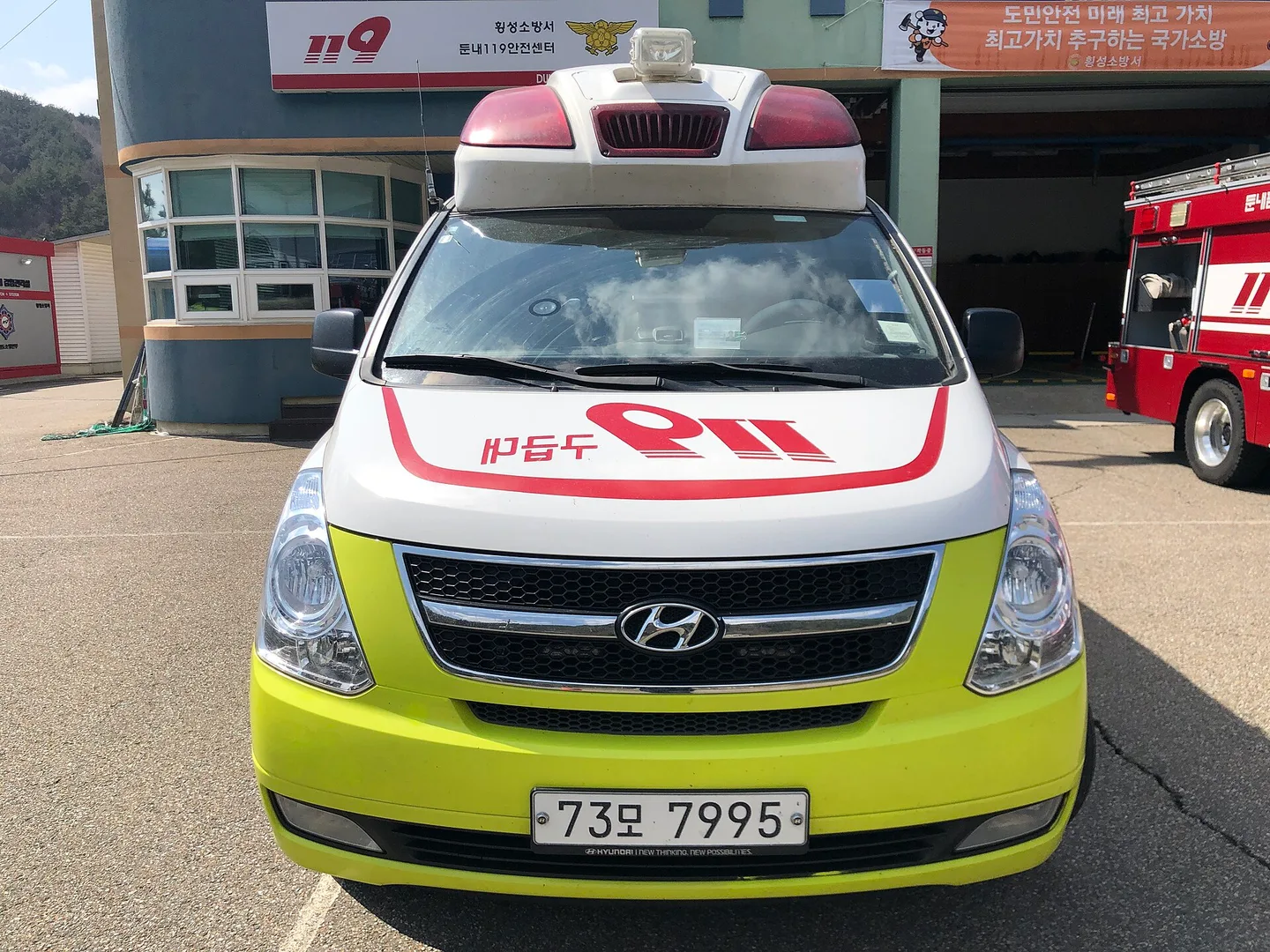
In South Korea, 112 is for police and 119 for fire and ambulance, both with English interpretation; 1330 is the Korea Tourism Organization's helpline for everything short of an emergency. Verified against government sources on August 16, 2026.
The Numbers to Save Before You Land
Save these in your phone on the flight, not when you need them. Korean emergency lines accept calls from foreign SIMs and from phones without a SIM.
| Number | What it covers | Language support | Notes |
|---|---|---|---|
| 112 | Police — crime, theft, assault, traffic incidents | English interpretation service available | Free from any phone |
| 119 | Fire and ambulance, medical emergencies | English interpretation service available | Also the number that dispatches emergency medical transport |
| 1330 | Korea Travel Helpline (Korea Tourism Organization) | Multilingual; also free online call and chat from the official site over Wi-Fi | Not an emergency line — use for travel problems, directions, complaints |
| Your embassy | Lost or stolen passport, detention, serious incidents | Own language | Most maintain a 24-hour duty line separate from office hours |
- Calling 119 does not require you to speak Korean. State your location first — the building name, station exit number, or a nearby landmark is more useful than a street address, which Korean callers rarely use either.
- 1330 also works over the internet. The Korea Tourism Organization runs a free online call and chat from its official site, which is useful if you have Wi-Fi but no working phone service.
- Carry some form of ID. It is a legal requirement in South Korea, although visitors are rarely asked to produce it.
Hospitals: What Actually Happens, and What It Costs
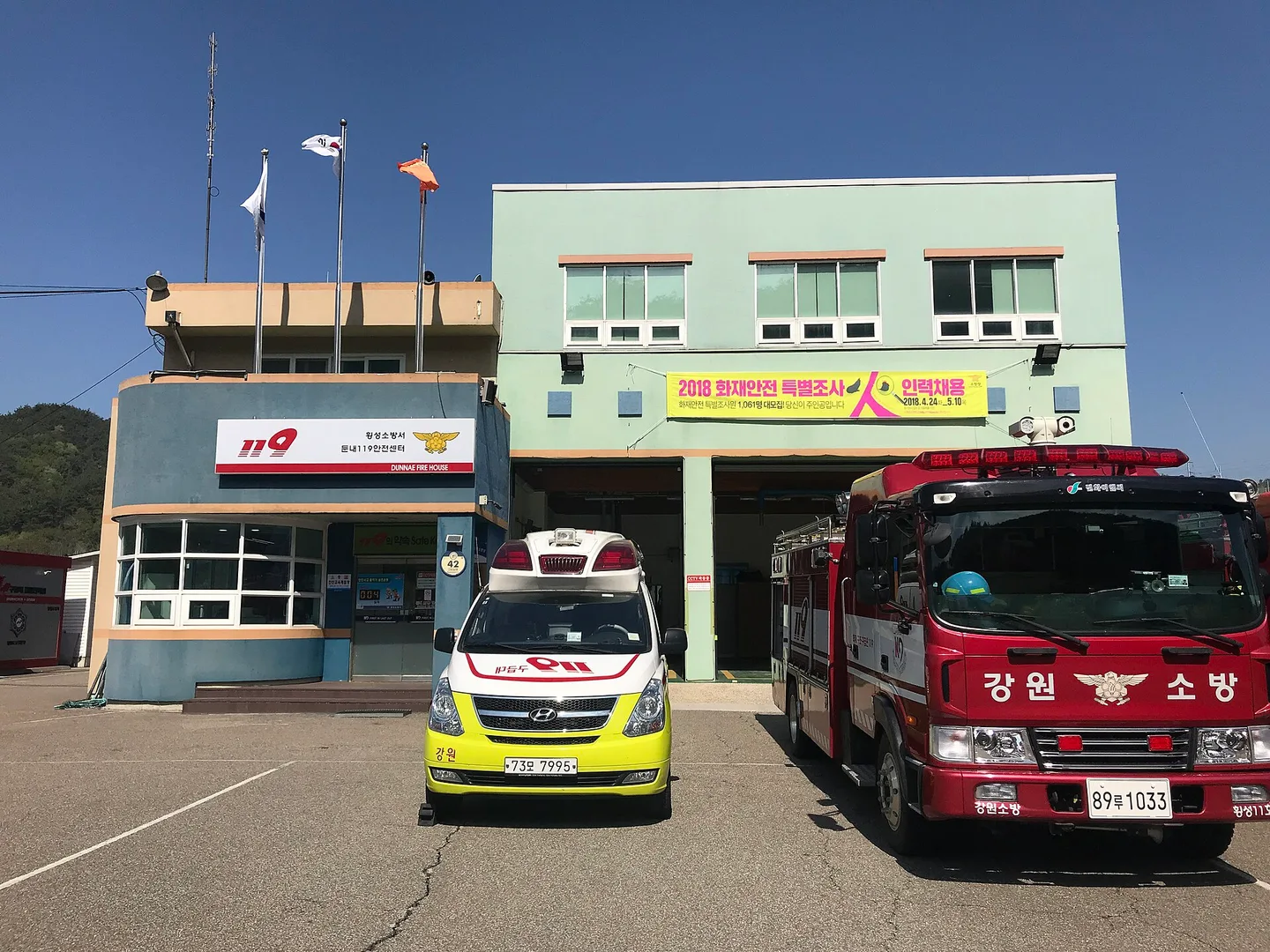
Medical care in Korea is of a good standard, and in cities private hospitals are generally better equipped than public ones. The part that catches visitors out is the billing model.
- Payment is expected at the time of service. Korean hospitals do not bill foreign insurers directly, so you pay and claim back afterwards. Keep a card with headroom on it, and keep every receipt and itemised bill.
- Travel insurance should include medical evacuation and hospital stays. Treatment and repatriation costs are the reason this matters, not the day-to-day consultation fee.
- Hospitals may expect a guardian. Korean inpatient care assumes a family member (*bohoja*) helps with basic needs. Paid caregivers (*ganbyungin*) can be arranged through agencies for a fee, but they usually do not speak English — worth planning for if you are travelling alone and expect an overnight stay.
- For minor problems, start at a pharmacy. Pharmacies are on almost every block in Korean cities and handle common complaints without an appointment. Many hospital-adjacent pharmacies keep long hours.
- English-speaking providers exist but need looking up in advance. Several foreign ministries publish lists of English-speaking doctors and hospitals in Korea; the Korean Ministry of Health and Welfare also runs an online database of emergency medical centres, though it is in Korean.
Medication, Rules and Situations That Trip Visitors Up
| Situation | What to do first | What not to do |
|---|---|---|
| Sudden illness at night | Call 119, or ask hotel reception to call — they will relay the address | Don't try to find an open clinic on foot after 9pm |
| Lost or stolen passport | Report to 112, then contact your embassy for an emergency travel document | Don't leave the country on the assumption it will sort itself out |
| Item left on a train or in a taxi | Call 1330 — they route lost-property enquiries and translate | Don't wait; operators clear lost property to central offices quickly |
| Prescription medication running out | Visit a pharmacy with your English-language prescription | Don't assume your brand exists under the same name |
| A large public demonstration on your route | Walk away and go around | Don't join or observe closely — political activity by foreign nationals is illegal |
On medication specifically: small quantities of personal medicine in carry-on baggage are fine, and carrying an English-language prescription is the practical safeguard. Some substances that are routine elsewhere are controlled in Korea, so if you take anything unusual, check with Korea's Ministry of Food and Drug Safety before you fly rather than at the border.
A related point on social friction rather than legal risk: most visitor problems in Korea are misunderstandings, not crime. Korean etiquette mistakes visitors make covers the ones that come up most often.
Practical Habits That Prevent Most Problems
- Screenshot your accommodation in Korean. Hangul on screen solves taxi and emergency-call problems that spoken English cannot.
- Keep one backup payment method separate from your wallet. Card issues are far more common for visitors than theft.
- Know your nearest large hospital, not just the nearest clinic. Emergency departments are attached to general hospitals, and 119 will take you to one anyway.
- Keep your phone connected. 1330's online call and chat, map apps, and translation all depend on data — a dead connection is what turns a small problem into a stranded one.
- Plan arrival transport in advance. Late-night arrivals with no plan are where the avoidable incidents cluster; Incheon Airport to Seoul covers which options run at which hours.
This information is current as of August 2026 and may change. Always reconfirm emergency numbers, medication rules and health requirements through official government channels before you travel.
Booking Ahead as a Safety Measure
Most of what goes wrong for visitors in Korea is logistical rather than dangerous — arriving at midnight with no transfer arranged, or hailing a car on the street after a late show. Fixing that in advance is unglamorous but effective.
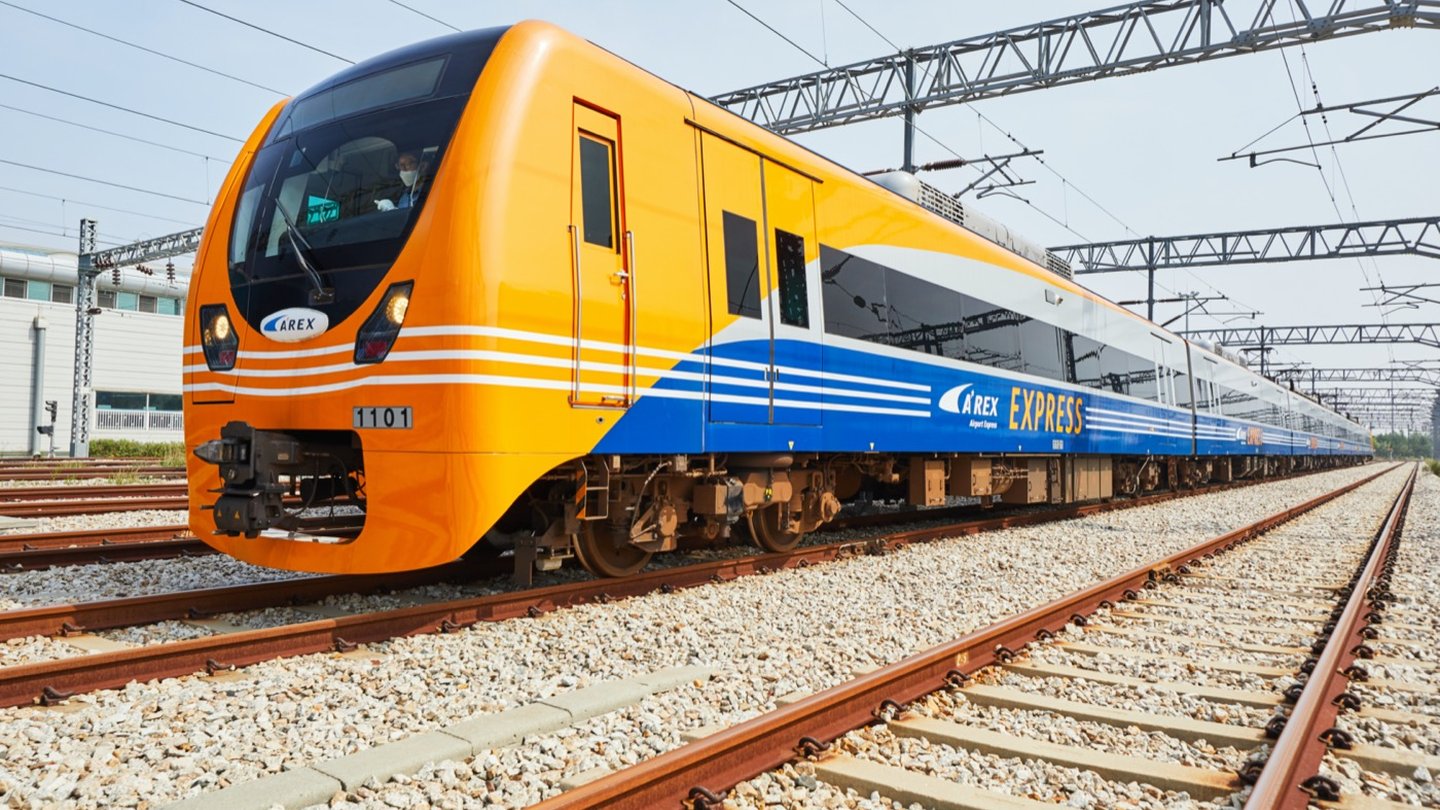
A pre-booked airport train ticket means walking to a platform rather than negotiating at a taxi rank, and timed-entry attraction tickets keep you out of long outdoor queues and away from street-side resellers. The related tickets below cover the airport rail link into Seoul, the Seoul Sky observatory, and the NANTA show on Jeju; current prices across platforms are compared beneath this article.
Compare prices for related tickets


FAQ
What is the emergency number in South Korea?
112 for police and 119 for fire and ambulance. Both operate an English interpretation service, and both are free to call from any phone, including one without a local SIM.
Can I call 119 if I don't speak Korean?
Yes — an English interpretation service is available on emergency calls. Give your location first, using a building name, landmark or subway station exit rather than a street address.
Will my travel insurance be billed directly by a Korean hospital?
No. Payment is expected at the time of service and Korean hospitals do not bill foreign insurers directly, so you pay first and claim afterwards. Keep the itemised bill and receipts.
What is the 1330 hotline for?
1330 is the Korea Tourism Organization's travel helpline for non-emergency problems — directions, lost property, translation and tourist complaints. It also offers a free online call and chat over Wi-Fi from the official site.
Can I bring my prescription medication into Korea?
Small amounts of personal medication in carry-on baggage are generally accepted, and you should carry an English-language prescription. Some substances routine elsewhere are controlled in Korea, so check with the Ministry of Food and Drug Safety before travelling.
Sources
- Government of Canada — Travel advice for South Korea (emergency numbers 112/119, health care, payment)
- UK FCDO — South Korea travel advice: Health (119 ambulance, hospitals, medication)
- UK FCDO — South Korea travel advice: Safety and security (ID requirement, demonstrations)
- Korea Tourism Organization — 1330 Korea Travel Helpline (official site)
More guides
- Stay Safe & Healthy · 2026-08-23Japan Emergency Numbers 2026: 110, 119 & English Help
- Stay Safe & Healthy · 2026-08-18Common Scams in Bangkok 2026: The Setups That Actually Work
- Stay Safe & Healthy · 2026-08-13Hong Kong & Singapore Safety 2026 — Emergency Numbers
- Stay Safe & Healthy · 2026-08-11Vietnam Tourist Scams 2026 — Taxi, Money & How to Avoid