
Japan Plugs & Voltage 2026: Do Americans Need an Adapter?
Updated: 2026-09-15
As of July 2026, Japan uses flat two-pin Type A outlets at 100V (50Hz in eastern Japan, 60Hz in western Japan). That's the same plug shape as in the US, so American phone, laptop and power bank chargers rated 100–240V plug straight in and work as-is. The only devices worth a second look are 120V-only heating appliances like hair dryers and curling irons, which run a little weaker on Japan's slightly lower voltage.
Device by Device: The Plug Fits, but What About the Voltage?
Whether your gear works in Japan depends on the device's rated input voltage, not the outlet, because the plug shape already matches. If a charger or power brick says INPUT 100–240V, 50/60Hz, it's dual-voltage (made for worldwide use) and runs normally on Japan's 100V. Anything labeled 120V only is the one to check, since Japan's supply is a bit lower.
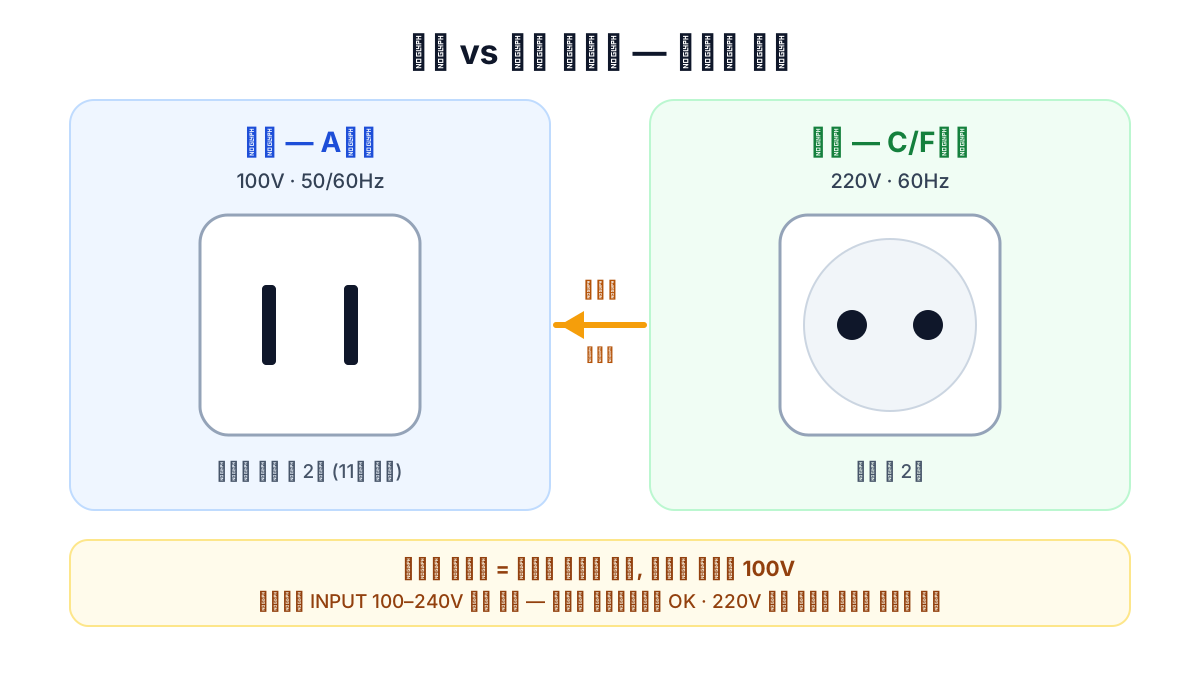
Here's what common devices need. Most electronics are already dual-voltage and need nothing; only high-wattage heating appliances deserve a closer look.
| Device | Usually dual-voltage? | What you need in Japan |
|---|---|---|
| Phone/tablet charger | Yes (100–240V) | Nothing — same plug, voltage is fine |
| Laptop charger | Yes (100–240V) | Nothing |
| Power bank (charging adapter) | Yes | Nothing |
| Digital camera charger | Usually (check the label) | Nothing |
| Hair dryer (US 120V-only) | No | Usually runs, but weaker at 100V; a dual-voltage model is better |
| Curling iron / electric shaver | Varies (check the label) | Dual-voltage: nothing. 120V-only: expect less heat or power |
Bottom line: phones, laptops, cameras and power banks need nothing extra. If you care about full heat from a hair dryer or curling iron, a dual-voltage (100–240V) travel model is far lighter than hauling a voltage converter.
Getting an Adapter in Japan (Hotels, Konbini, Don Quijote)
Because US two-prong plugs already fit, most Americans won't need to buy anything. The exception is a three-prong (grounded) plug, which won't go into Japan's mostly two-prong outlets — and if you forgot an adapter for it, you have options.
The easiest fix is your hotel front desk. Many business hotels and guesthouses lend travel adapters for free, so ask at check-in (they only have a few, and they can run out).
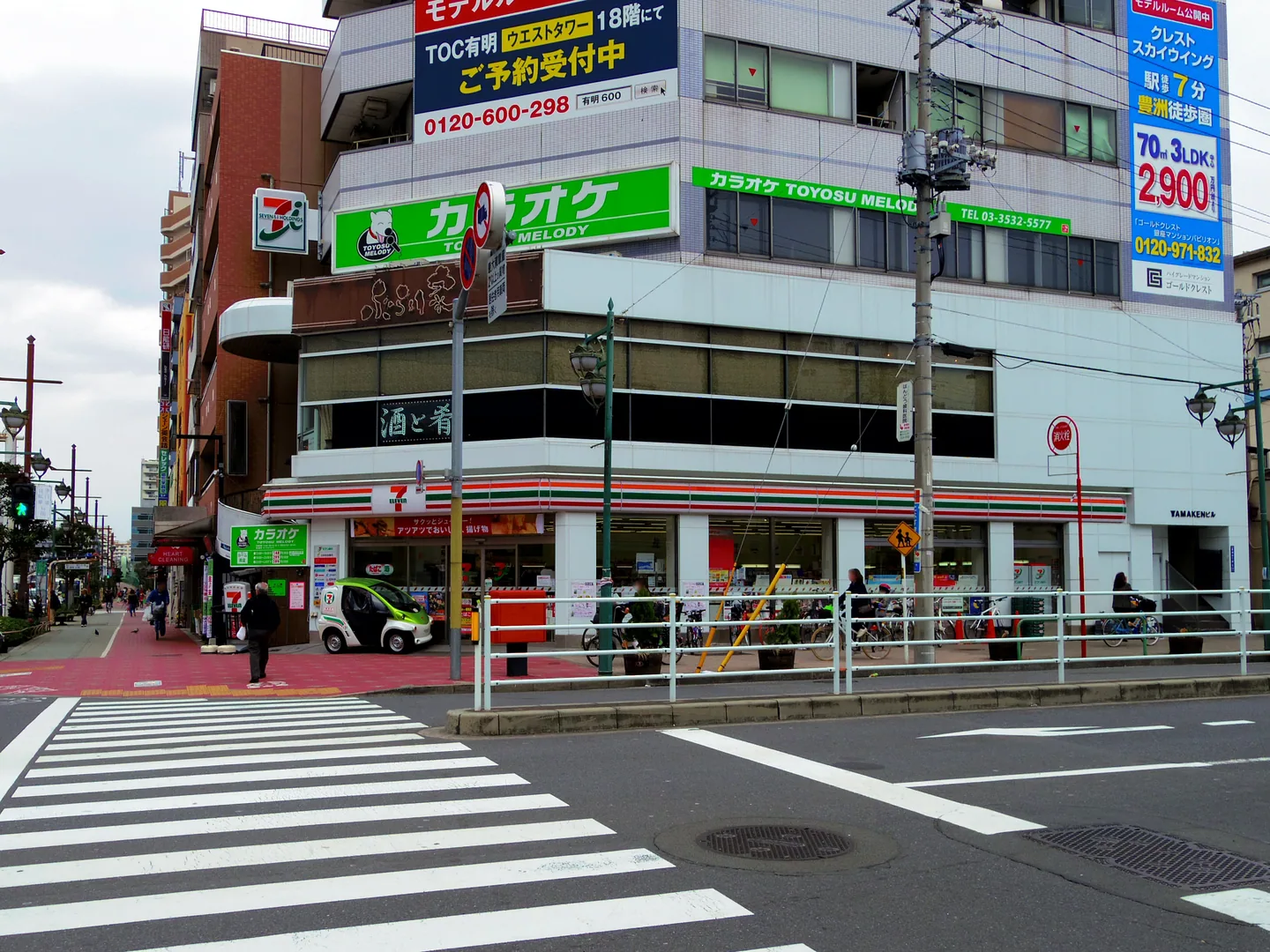
If you'd rather buy one, Don Quijote, convenience stores and 3COINS sell multi-country travel adapters for around ¥500 (roughly US$3; 2026-07-12 rate). For the widest range of plug converters and voltage converters, head to electronics chains like Bic Camera and Yodobashi Camera (per JNTO). Airport convenience and electronics stores also carry them, so you can pick one up as soon as you land.
One thing to watch: adapters are directional. Check the packaging to make sure it takes your plug and fits a Japanese Type A outlet. If in doubt, a universal multi-country adapter is the safe choice.
Buying Before You Go (Adapters and USB Multiport Chargers)
Buying ahead is cheaper and one less thing to hunt for. A basic three-prong-to-two-prong adapter or a compact universal travel adapter costs little at home, and it's usually cheaper than an airport shop or a store in Japan.
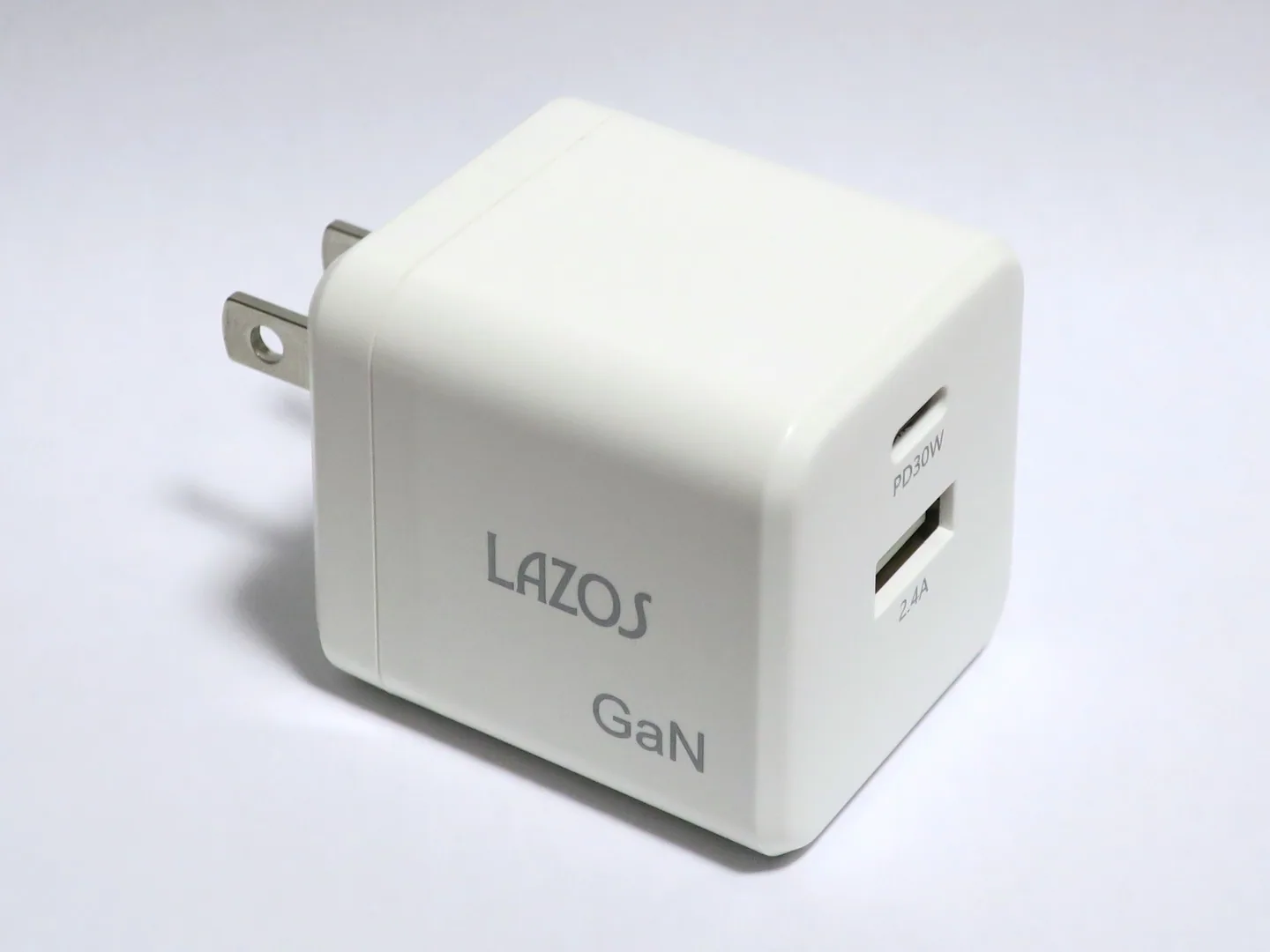
The smartest setup these days is one USB-C multiport charger plus plenty of cables. A 2–3 port GaN USB-C charger uses a single outlet to charge your phone, laptop and earbuds at once, so you pack fewer bricks and less weight. Most multiport chargers are dual-voltage and have two flat pins, so they plug straight into Japanese outlets.
For couples or families, one or two adapters (only if you have three-prong plugs) is plenty. Packing a cable (USB-C, Lightning, etc.) for each person matters more.
Voltage and Plugs in 10 Asian Destinations
If Japan isn't your only stop, this table covers the major Asian destinations. Japan and Taiwan use lower voltage (100–110V) and Type A outlets like the US, so American devices generally work as-is there. The rest of the list runs on 220–240V, where dual-voltage electronics only need a plug adapter, but a US 120V-only appliance would need a step-down voltage converter.
| Country | Voltage/Frequency | Plug | US 120V devices |
|---|---|---|---|
| South Korea | 220V·60Hz | C/F | Dual-voltage = adapter only; 120V-only high-power = step-down converter |
| Japan | 100V·50/60Hz | A | Works as-is (same plug); 120V-only heaters run weaker |
| Taiwan | 110V·60Hz | A/B | Works as-is (same plug) |
| Hong Kong | 220V·50Hz | G | Dual-voltage = adapter only; 120V-only high-power = step-down converter |
| Macau | 220V·50Hz | G | Dual-voltage = adapter only; 120V-only high-power = step-down converter |
| Singapore | 230V·50Hz | G | Dual-voltage = adapter only; 120V-only high-power = step-down converter |
| Thailand | 220V·50Hz | A/B/C | Dual-voltage = adapter only; 120V-only high-power = step-down converter |
| Vietnam | 220V·50Hz | A/C | Dual-voltage = adapter only; 120V-only high-power = step-down converter |
| Malaysia | 240V·50Hz | G | Dual-voltage = adapter only; 120V-only high-power = step-down converter |
| Philippines | 220V·60Hz | A/B/C | Dual-voltage = adapter only; 120V-only high-power = step-down converter |
Voltages are each country's standard nominal value (sources: IEC World Plugs, World Standards). Hong Kong, Singapore and Malaysia use Type G (UK-style three-pin) outlets, a completely different shape from Japan's, so make sure your adapter matches each country. More country-by-country guides are on the way.
Also Worth Sorting Before Your Japan Trip
With power covered, the rest of your prep is easier to lock in before you go. A data eSIM that connects as soon as you land (it installs on your phone, no SIM swap), a JR Pass for traveling around the country, and a subway pass for getting around Tokyo are all better booked ahead than bought on arrival. Compare live lowest prices across platforms in the cards below.
Compare prices for related tickets


FAQ
Can I use my US charger in Japan?
Yes, in most cases. Phone, laptop and power bank chargers are almost always dual-voltage (100–240V) and use the same flat two-pin Type A plug as Japan, so they work as-is on Japan's 100V. Just check the back of the charger for 'INPUT 100–240V.'
When do I actually need a voltage converter in Japan?
Rarely. A US 120V-only heating appliance such as a hair dryer or curling iron will usually run on Japan's 100V, just with less heat. Converters are heavy and a hassle, so a dual-voltage travel model or the hotel's hair dryer is the practical fix. A 220V-only appliance, which is uncommon for US travelers, would need a step-up converter to work properly.
Will my iPhone charge slower in Japan?
No, there's virtually no difference. iPhone chargers are dual-voltage, so the output (charging speed) is the same whether the input is 100V or 120V. Charging speed depends on the charger's wattage (for example, 20W) and the cable, not the outlet voltage.
How much does a travel adapter cost in Japan?
A travel adapter runs around ¥500 (roughly US$3 at the July 12, 2026 rate). Don Quijote, convenience stores and 3COINS carry them, and electronics chains like Bic Camera and Yodobashi have a wider selection. Many hotels lend adapters for free at the front desk, so ask before you buy.
Is Japan 100V or 110V?
It's 100V. Japan is often described as '110V,' but the nationwide standard is 100V; only the frequency differs, 50Hz in eastern Japan and 60Hz in western Japan. For US 120V devices the takeaway is the same either way: dual-voltage electronics work normally, and 120V-only heating appliances run a bit weaker.
Sources
More guides
- Plan & Pack · 2026-09-15Taiwan Packing Checklist 2026: EasyCard, Cash & eSIM
- Plan & Pack · 2026-09-08Korea Packing Checklist 2026: T-money, eSIM, K-ETA Waiver
- Plan & Pack · 2026-09-08Japan Packing Checklist 2026: Cash, IC Cards, Power Banks
- Plan & Pack · 2026-09-01Asia Holiday Crowd Calendar: Sept–Oct 2026