
Korea Packing Checklist 2026: T-money, eSIM, K-ETA Waiver
Updated: 2026-09-08
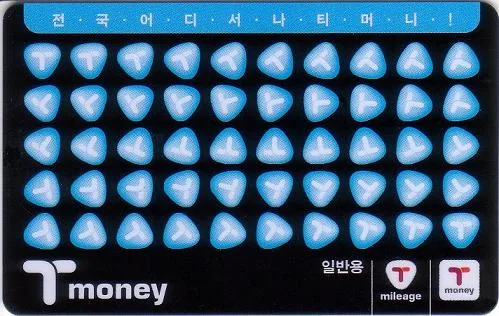
The three things that matter for a Korea trip are a T-money transit card, an eSIM for data, and knowing whether you need a K-ETA. The K-ETA waiver for listed nationalities has been extended to 2026-12-31 (Korea time), but everyone still files an online e-Arrival Card. Almost everything else on the list can be bought on arrival, so pack light.
Korea packing checklist
| Category | Item | Priority | Notes |
|---|---|---|---|
| Money | T-money card | Must | Sold at convenience stores and the airport; from 2026-03 also issued at subway kiosks with foreign cards |
| Money | Card that works abroad | Must | Hotels and larger shops; small shops may still want cash |
| Money | Small amount of won in cash | Recommended | Exchange in Myeongdong or a small sum on arrival |
| Connectivity | eSIM or pocket WiFi | Must | Buy before departure |
| Entry | Check K-ETA status | Must | Waiver to 2026-12-31 for listed nationalities; others apply in advance |
| Entry | e-Arrival Card | Must | Online form that replaces the paper arrival card; required even if K-ETA-exempt |
| Entry | Passport validity | Must | Leave a comfortable margin beyond your entry date; 6 months is a common airline standard |
| Clothing | Season-appropriate layers | Must | Large swings between seasons; check your travel dates |
| Electrical | Plug adapter | Depends | Type C/F, 220V; needed for US, Japanese, UK and Australian plugs |
Hotels generally provide a hair dryer, which is the easiest weight to leave at home.
Money: T-money, cards and exchange
- T-money card. Sold at GS25, CU, 7-Eleven and Emart24 convenience stores, at shops inside Incheon Airport and at subway customer centres. The basic card costs about 2,500 won (balance loaded separately); the foreigner-oriented T-money Travel Card is listed at around 4,000 won, and other outlets quote 3,000-5,000 won depending on the design. It works on the subway, city buses, intercity and express buses and taxis, and gives transfer discounts. Ticket machines top up to a maximum of 50,000 won per card.
- Kiosks from 2026-03. Seoul Metro installed 442 new kiosks across 273 stations where Visa, Mastercard, JCB, UnionPay and Amex cards can be used to buy and top up T-money and to buy a Climate Card tourist pass, so no won cash is needed for that first ride.
- Refunds. Balances of 50,000 won or more are refunded at Tmoney Town near Seoul Station; smaller amounts at convenience stores. Spending the remainder at a convenience store on your last day is simpler.
- Cards. Hotels, department stores and large chains take foreign cards without trouble. Traditional markets and small restaurants can still be cash-only.
- Exchange. Money changers in Myeongdong are widely reported to beat bank rates; airport counters carry a convenience premium, so exchange only a small amount there. A few tens of thousands of won per day in pocket cash is usually enough.
| Transit option | Price | Best for |
|---|---|---|
| T-money | Card 2,500-5,000 won plus balance | Anyone travelling beyond Seoul; also buses and taxis |
| Climate Card (기후동행카드) | 1-7 days, 5,000-20,000 won | Heavy use within Seoul only |
| M-PASS | 1-7 days, 15,000-64,500 won | Many rides a day, Seoul-centred |
| WOWPASS | Depends on amount loaded | Combining exchange, transit and spending on one card |
Connectivity: eSIM or pocket WiFi
- eSIM. Works from the moment you land and adds nothing to your bag. From our tracked data (2026-06-16), a Global eSIM covering Korea starts from $7.00 on Viator.
- Pocket WiFi. Better when several people share one connection or a device does not support eSIM, at the cost of a pickup and return at the airport.
- Airport SIM counters exist but queues are common and prices are usually higher than buying online in advance.
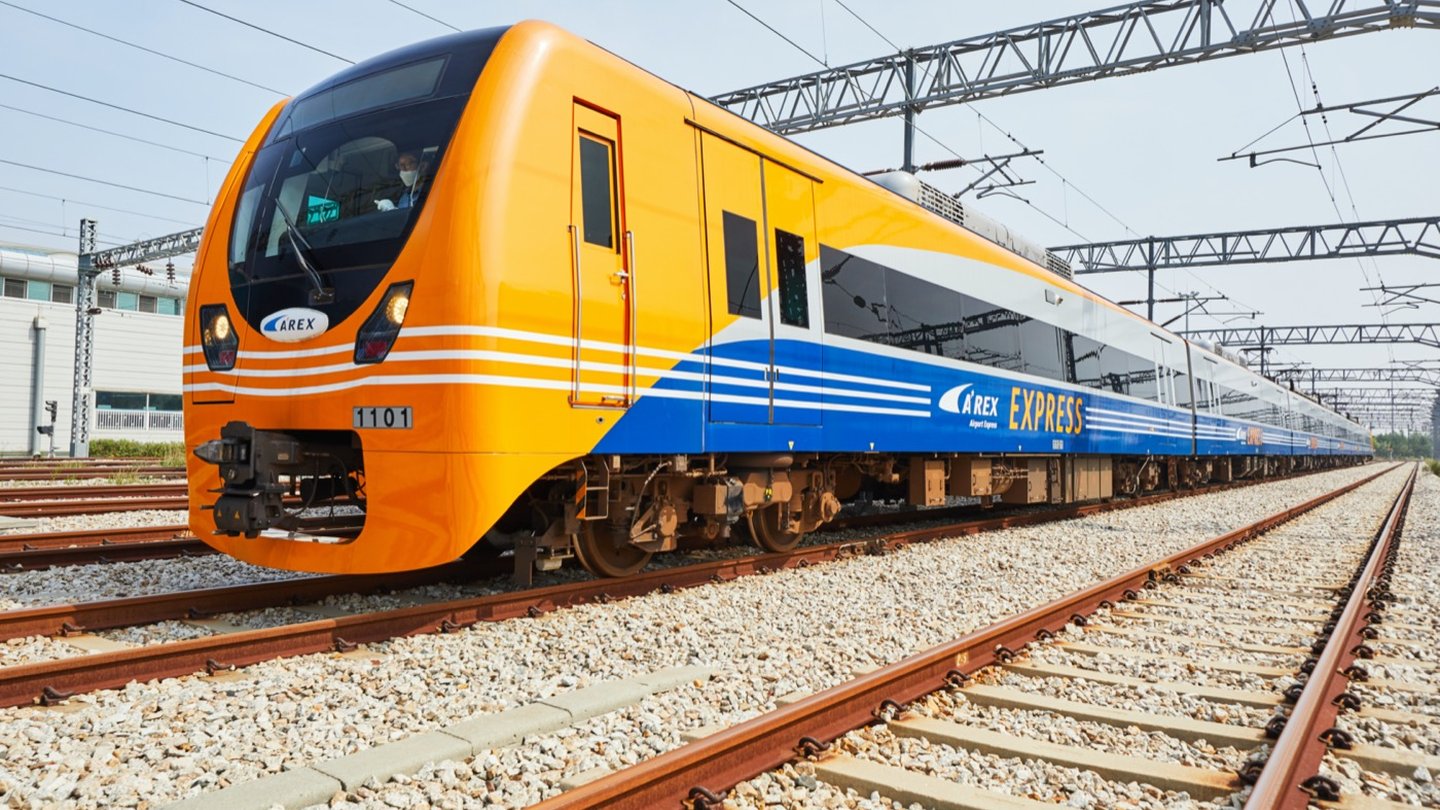
- Budget the airport-to-city leg too. From our tracked data (2026-07-09), the AREX express train from Incheon Airport to Seoul Station starts from 11,500 won (about $7.64) via KKday, with no transfer on the direct service.
Entry: K-ETA waiver to end-2026, e-Arrival Card, documents
- K-ETA (Korea Electronic Travel Authorization). The temporary waiver announced in September 2025 has been extended to 2026-12-31 (Korea time), per a Ministry of Justice notice of 2026-03-20. Nationals of listed countries can enter without a K-ETA. Whether your nationality is on the list is shown on the official K-ETA site when you select your country; check before you fly. The waiver is renewed year by year, so 2027 trips need a fresh check.
- Voluntary K-ETA. You can still apply if you wish (fee about 10,000 won, roughly $7-8, per the official site), which exempts you from the arrival card. A K-ETA already issued and still valid remains valid.
- Non-listed nationalities must apply in advance, only through the official site (k-eta.go.kr) or official app. The official site warns against look-alike sites charging agency or express fees.
- e-Arrival Card. Travellers entering without a K-ETA file the online e-Arrival Card, which replaces the paper form.
- Have your passport, return ticket and accommodation details ready; immigration may ask for them.
!Departures at Incheon International Airport Terminal 1 *Photo: Arne Müseler (CC BY-SA 3.0 de), via Wikimedia Commons*
Plugs and clothing. Korea uses round-pin Type C/F sockets at 220V, 60Hz. EU plugs fit directly; US, Japanese, UK and Australian plugs need an adapter. Chargers rated 100-240V need nothing more; a single-voltage 110-120V hair dryer or styler would need a converter and is better left at home. Winters (December-February) call for a down jacket, windproof layer and gloves; spring and autumn have large day-night swings, so layer; summer is hot and humid but indoor air conditioning is strong, so carry a light layer. If your itinerary includes a domestic flight to Jeju, note that domestic and low-cost carriers have stricter carry-on limits than many international routes.
General information only. Check official agencies and local notices for your specific situation.
Compare prices for related tickets
FAQ
Do I need a K-ETA for Korea in 2026?
Not if your nationality is on the waiver list, which runs to 2026-12-31 (Korea time). Confirm your country's status on the official K-ETA site before departure. The waiver is renewed annually, so re-check for 2027 travel.
If I am K-ETA-exempt, do I still fill in an arrival card?
Yes. Travellers entering without a K-ETA submit the online e-Arrival Card, which has replaced the paper form. Only those who voluntarily obtain a paid K-ETA are exempt from it.
Where should I exchange money for won?
Money changers in Myeongdong are widely reported to offer better rates than banks. Airport counters carry a convenience premium, so exchange only a small amount on arrival. Cards are accepted almost everywhere, so cash needs are modest.
eSIM or pocket WiFi for Korea?
For one or two people an eSIM is easier: no device to carry and it activates on landing. For a group sharing one connection, or a phone without eSIM support, pocket WiFi is the better fit.
Do I need a plug adapter in Korea?
Korea uses Type C/F sockets at 220V, 60Hz. Travellers from the US, Japan, the UK and Australia need an adapter; most European plugs fit directly. Chargers rated 100-240V do not need a converter.
Sources
More guides
- Plan & Pack · 2026-09-15Taiwan Packing Checklist 2026: EasyCard, Cash & eSIM
- Plan & Pack · 2026-09-15Japan Plugs & Voltage 2026: Do Americans Need an Adapter?
- Plan & Pack · 2026-09-08Japan Packing Checklist 2026: Cash, IC Cards, Power Banks
- Plan & Pack · 2026-09-01Asia Holiday Crowd Calendar: Sept–Oct 2026