
Singapore & Malaysia Money 2026: Exchange, ATMs & Cards
Updated: 2026-08-22
These two currencies behave in opposite ways, and treating them the same is what costs travellers money. The Singapore dollar is traded everywhere and easy to buy before you fly; the ringgit is thinly traded abroad and usually cheapest once you're inside Malaysia. Rules and thresholds below were checked against official sources on 17 August 2026. - **Singapore** — bring a card, change a small amount of cash, top up later at a licensed money changer if you need it - **Malaysia** — arrive with a little cash, change the bulk in-country, keep small notes for hawker stalls and parking - **Crossing between the two** — declare what you're carrying and know Malaysia's permit threshold before you pack cash - **Cards** — always pay in the local currency when a terminal offers you a choice
Two Currencies, Two Different Rules
Singapore runs close to cashless; Malaysia is card-friendly in cities and cash-first almost everywhere else. That single difference drives how much you should change and where.
| Singapore (SGD) | Malaysia (MYR) | |
|---|---|---|
| Best place to change | Licensed money changers in malls and shopping centres, generally better than airport counters | Inside Malaysia — ringgit rates abroad are usually poor |
| Cash you actually need | Small — most food courts, transport and shops take cards or QR | Moderate — hawker stalls, small towns, parking and markets are cash-first |
| Card acceptance | Near-universal, including public transport | Wide in cities and malls; patchier outside them |
| ATMs | Everywhere; your home bank's fee is the main cost | Widely available; some hotels don't take cards at all |
| Carrying cash in | Declaration required above a set threshold — check the current figure with ICA before flying | A permit is required to bring in more than US$10,000 in cash or negotiable instruments |
| Carrying cash out | Same declaration rule applies on departure | You may leave only with the amount declared on arrival |
- The ringgit is the one to plan around. Buying MYR at a counter in Seoul, Taipei or London usually means a spread you'd never accept on a major currency — change just enough for the first taxi and a meal.
- Singapore dollars are the opposite: widely stocked, competitively priced, and rarely worth agonising over.
- If your trip covers both countries, don't carry a single stack of one currency across the causeway expecting to use it. Ringgit is not generally accepted in Singapore, and vice versa.
Where the Money Actually Leaks
Exchange rates get the attention; the fees around them usually cost more.
- Airport counters are a convenience product in both countries. Change what you need for the first few hours and do the rest in town.
- Money changers in Singapore are licensed and cluster in shopping centres — comparing two or three counters in the same mall takes five minutes and usually beats the first rate you see.
- ATM withdrawals carry two layers of fee: the local operator's charge and your home bank's foreign-withdrawal fee, sometimes with a percentage on top. Fewer, larger withdrawals cost less than topping up daily.
- Dynamic currency conversion is the quiet one. If an ATM or card terminal offers to charge you in your home currency, decline and pay in SGD or MYR — the machine's rate is set by the operator, not by your card network.
- Small notes matter in Malaysia. Hawker stalls, parking machines and short taxi rides often can't break a large note, and "no change" is a real answer.
- Keep some cash even in Singapore. Wet markets, older hawker centres and a few small businesses still prefer it, though you'll use far less than in Malaysia.
If your route continues north, the same trade-offs play out differently again — our Thailand money guide covers a market where cash still dominates.
Tax Refunds and Cash Declarations
Singapore has a working tourist refund scheme; Malaysia does not have an equivalent, so what you pay at the till is final.
Singapore's Tourist Refund Scheme (GST), per the official conditions:
| Condition | Requirement |
|---|---|
| Minimum spend | SGD100 including GST; up to 3 same-day receipts from retailers with the same GST registration number can be combined |
| Who qualifies | Age 16+, not a Singapore citizen or permanent resident, not aircrew, not a "specified person" (e.g. certain pass holders) |
| At the shop | Present your original passport in person so the retailer can capture it digitally — photocopies and photos are not accepted |
| At the airport | Apply at an eTRS self-help kiosk, departing via Changi or Seletar |
| Time limits | Depart with the goods within 2 months of purchase, within 12 hours of refund approval, and claim from the central refund counter within 2 months of approval |
Carrying cash across borders
- Malaysia: a special permit is required to bring in more than US$10,000 in cash or other negotiable instruments, and excess amounts without one are seized on arrival. You may leave with only the amount you declared on the arrival form.
- Singapore: travellers carrying physical currency or bearer negotiable instruments above the prescribed threshold must submit a declaration on entry and exit. Check the current figure with the Immigration & Checkpoints Authority before you travel.
- Thresholds apply to the total you carry, so splitting cash across a group doesn't remove the obligation to declare.
※ Rules and thresholds here reflect August 2026 and can change. Confirm with the relevant customs, immigration or tax authority before you travel.
A Practical Split for a Two-Country Trip
- Before you fly: one card with low foreign-transaction fees, a backup card kept separately, and a small amount of SGD.
- Landing in Singapore: pay by card, keep maybe SGD50–100 in notes for markets and hawker stalls.
- Crossing to Malaysia: change your main cash budget there, in town rather than at the border or airport.
- In Malaysia: keep RM10 and RM50 notes on you; treat large notes as a bank product, not a spending one.
- Heading home: spend or convert leftover ringgit before you leave — it's the currency you'll get the worst rate on once you're back.
For the safety side of the same trip, Hong Kong and Singapore safety covers the practical differences in how you carry valuables in each city.
One Thing to Sort Before You Land
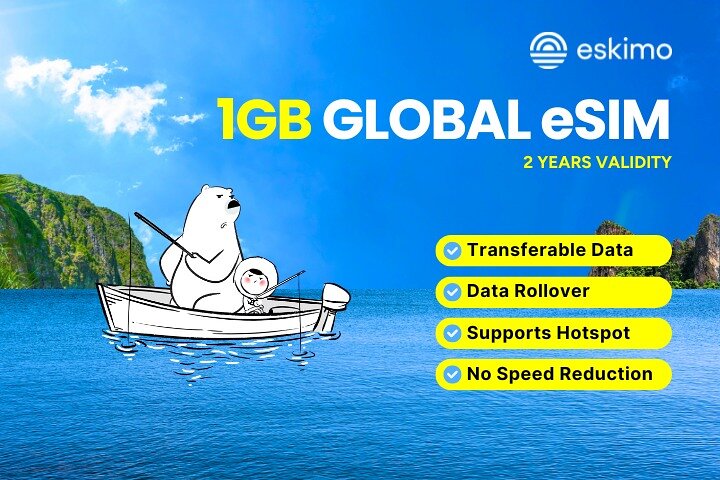
Almost every money decision on this trip happens on your phone — comparing a money changer's rate, checking a card charge, calling a ride, confirming which terminal your refund kiosk is in. Arriving without a working data connection is what pushes people towards the airport counter and the first ATM they see. Getting connectivity sorted before departure is the cheapest single thing you can do for your budget on a Singapore–Malaysia trip. Current lowest prices across booking platforms are compared below.
Compare prices for related tickets


FAQ
Should I exchange Singapore dollars before I travel?
You can, but there's rarely much in it. SGD is widely traded, and licensed money changers in Singapore's shopping centres are usually competitive. Bring a modest amount and top up in town if needed rather than changing everything at an airport counter.
Where's the best place to change money for Malaysian ringgit?
Inside Malaysia. MYR is thinly traded abroad, so rates outside the country tend to be poor. Change enough for your first taxi and meal before arrival, then do the bulk at a money changer in town rather than at the airport.
How much cash can I bring into Malaysia?
A special permit is required for more than US$10,000 in cash or other negotiable instruments, and excess amounts are seized on arrival without one. You can also only leave with the amount you declared on your arrival form, so declare accurately.
Can I claim a GST refund on shopping in Singapore?
Yes, if you spend at least SGD100 including GST and meet the scheme's conditions — you must be 16 or over, not a citizen or permanent resident, present your original passport at the shop, apply at an eTRS kiosk, and depart with the goods within two months via Changi or Seletar.
Does Malaysia have a tourist tax refund?
No equivalent scheme applies to visitors, so treat the price you pay as final. Budget accordingly if you were planning to claim back tax on larger purchases.
Sources
More guides
- Money & Exchange · 2026-08-10Thailand Money 2026: Exchange, ATM Fees & Cash vs Card
- Money & Exchange · 2026-08-05Japan Money Exchange 2026: Airport vs City vs ATM
- Money & Exchange · 2026-07-25Where to Exchange Money in Seoul (2026): Best Rates
- Deals & Lowest Prices · 2026-08-21Osaka Amazing Pass 2026: Worth It? Break-Even & Prices