
Travel Card vs Cash in Asia 2026: Where Cards Fail
Updated: 2026-08-25
Card-only travel works well in South Korea, Singapore and Hong Kong, but Japan, Taiwan and Vietnam still have daily situations where a foreign card won't work, so carry some cash there (checked 16 August 2026).
Card Acceptance Across 10 Asian Markets
"Do they take cards?" is the wrong question. Almost every market has card acceptance in malls and hotels; what differs is the long tail — small restaurants, temples, markets, local buses, and ticket machines that reject foreign-issued cards even when they accept domestic ones.
| Market | Card acceptance for visitors | Still needs cash | Best cash substitute |
|---|---|---|---|
| South Korea | Very wide, including small shops | Traditional markets, some street food | T-money / WOWPASS |
| Singapore | Very wide | Hawker centres (some stalls), wet markets | EZ-Link / contactless bank card |
| Hong Kong | Wide | Trams, minibuses, small noodle shops, some taxis | Octopus |
| Macau | Wide in casinos/hotels | Small local eateries, some buses | Macau Pass |
| Taiwan | Wide in chains, uneven elsewhere | Night markets, small eateries, temples | EasyCard / iPASS |
| Japan | Wide but inconsistent | Small izakaya, shrines, some ramen shops, coin lockers | Suica / ICOCA / PASMO |
| Malaysia | Wide in KL/Penang malls | Hawker stalls, small-town shops, some taxis | Touch 'n Go |
| Thailand | Wide in malls, hotels, chains | Markets, songthaews, small restaurants, tuk-tuks | Cash |
| Vietnam | Growing, but uneven | Most street food, markets, local transport, small hotels | Cash |
| Indonesia (Bali) | Wide in tourist zones | Warungs, markets, parking, scooter rental | Cash |
Two patterns matter more than the country list. First, ticket machines are the most common failure point — station machines, museum kiosks and parking machines often accept domestic cards only. Second, acceptance and network are different things: a card that works fine at a mall may be declined at a small shop simply because the terminal only routes domestic debit.
How Much Cash to Actually Carry
There is no universal number, but the shape of the answer is consistent: enough for one full day of small purchases, topped up as you go, rather than the whole trip's cash on day one.
| Trip type | Rough daily cash float | Notes |
|---|---|---|
| Korea, Singapore, Hong Kong city trip | One modest day's worth of small spending | Mostly a backup for markets and small eateries |
| Japan or Taiwan city trip | Roughly a day of meals and small entries | Shrine fees, coin lockers and small restaurants add up |
| Thailand or Malaysia, mixed city and day trips | A day of meals plus local transport | Day-trip stops are usually cash-only |
| Vietnam or Bali, independent travel | Two to three days of everyday spending | ATMs cluster in tourist areas; rural stops rarely have one |
- Split it: keep part in your day bag and part in the room safe. Losing your only cash and your only card at once is the failure mode worth designing against.
- Avoid ending the trip with a large leftover balance in a currency you won't use again — top up little and often instead.
- Small notes matter more than the total. In Vietnam, Indonesia and Thailand, large notes are hard to break at small vendors early in the day.
Getting Cash Without Losing Money
Airport exchange counters and hotel desks are almost always the worst rates available. ATM withdrawal in the destination currency, using a card with low foreign-transaction fees, is usually the cleaner default.
- Use bank-network ATMs. In Japan, 7-Eleven's Seven Bank ATMs (over 28,000 machines) accept Visa, Plus, Mastercard, Maestro, Cirrus, UnionPay, Amex, JCB, Discover and Diners. Overseas-issued cards are limited to ¥100,000 per withdrawal (¥30,000 for magnetic-stripe transactions); Visa and Mastercard work around the clock, while other brands are unavailable for a few minutes around midnight. Fees vary by card brand and issuer, so check yours before you rely on it.
- Always decline dynamic currency conversion. When an ATM or terminal offers to bill you in your home currency, that conversion is set by the machine's operator, not your bank. Choosing the local currency is nearly always cheaper.
- Carry two cards on different networks. A Visa and a Mastercard from different issuers covers most decline scenarios; keep them in different places.
- Tell your bank where you're going if it still uses travel notifications, and check the per-day withdrawal cap before departure.
For country-level detail on where the rates are actually better, see Japan Money Exchange: Airport vs City and Where to Exchange Money in Seoul.
Transit Cards Do Most of the Work
The most useful "card" in most Asian cities isn't your bank card — it's the local stored-value transit card, which also covers convenience stores and vending machines.
- Seoul: subway base fare is 1,550 won for the first 10 km, plus 100 won per additional 5 km, with free-ish transfers inside 30 minutes (60 minutes after 21:00) for up to five legs — all of which only works if you tap in and out with a card.
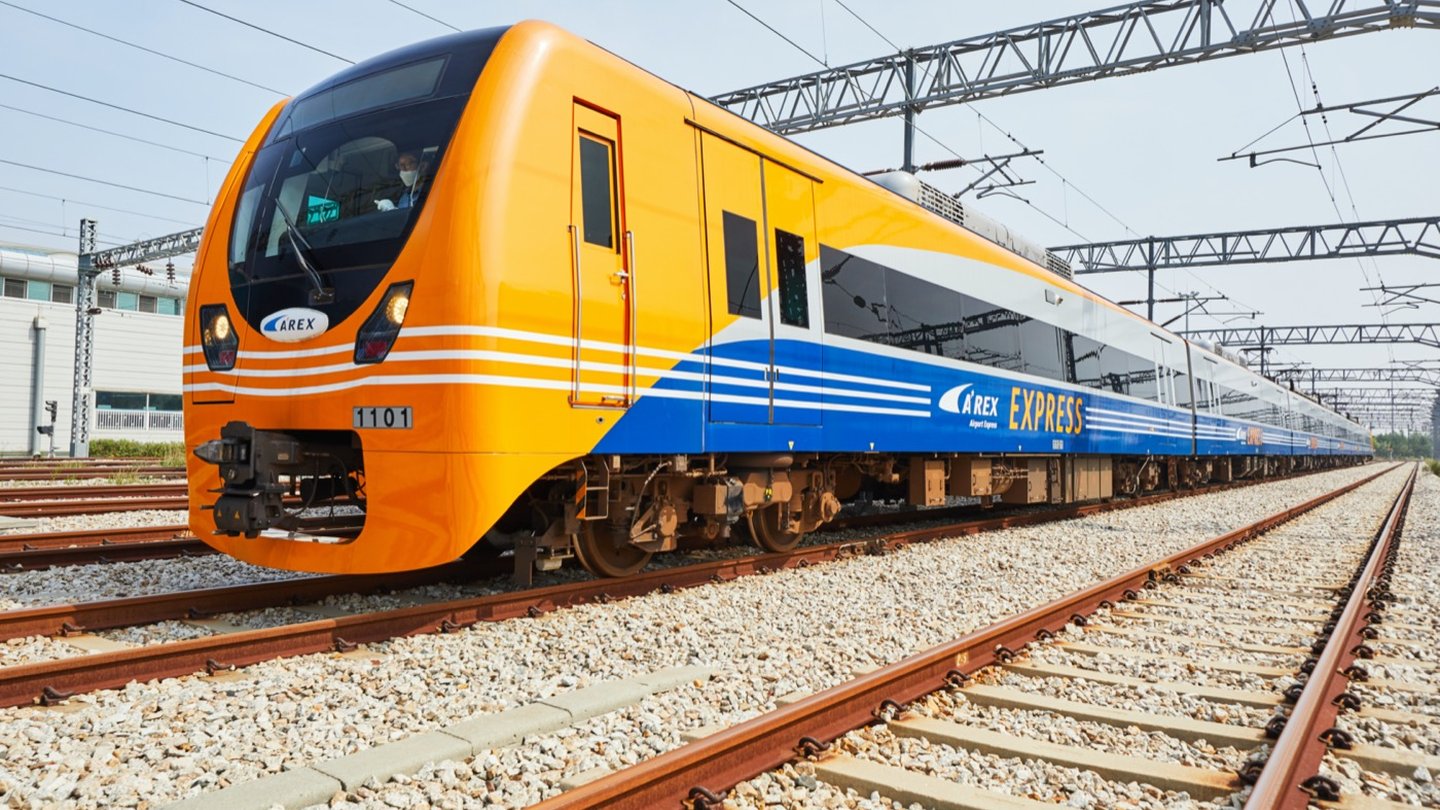
- Hong Kong: the Airport Express charges HK$130 to Hong Kong Station, HK$115 to Kowloon and HK$80 to Tsing Yi on a Smart Ticket, with Octopus fares slightly lower; the ride to Hong Kong Station takes about 24 minutes.
- Japan and Taiwan: IC cards cover trains, buses, convenience stores and most vending machines, which removes the single biggest reason travellers used to need coins.
Load these with cash on arrival, and the practical cash requirement for the rest of the trip drops sharply.
What to Pay for Before You Land
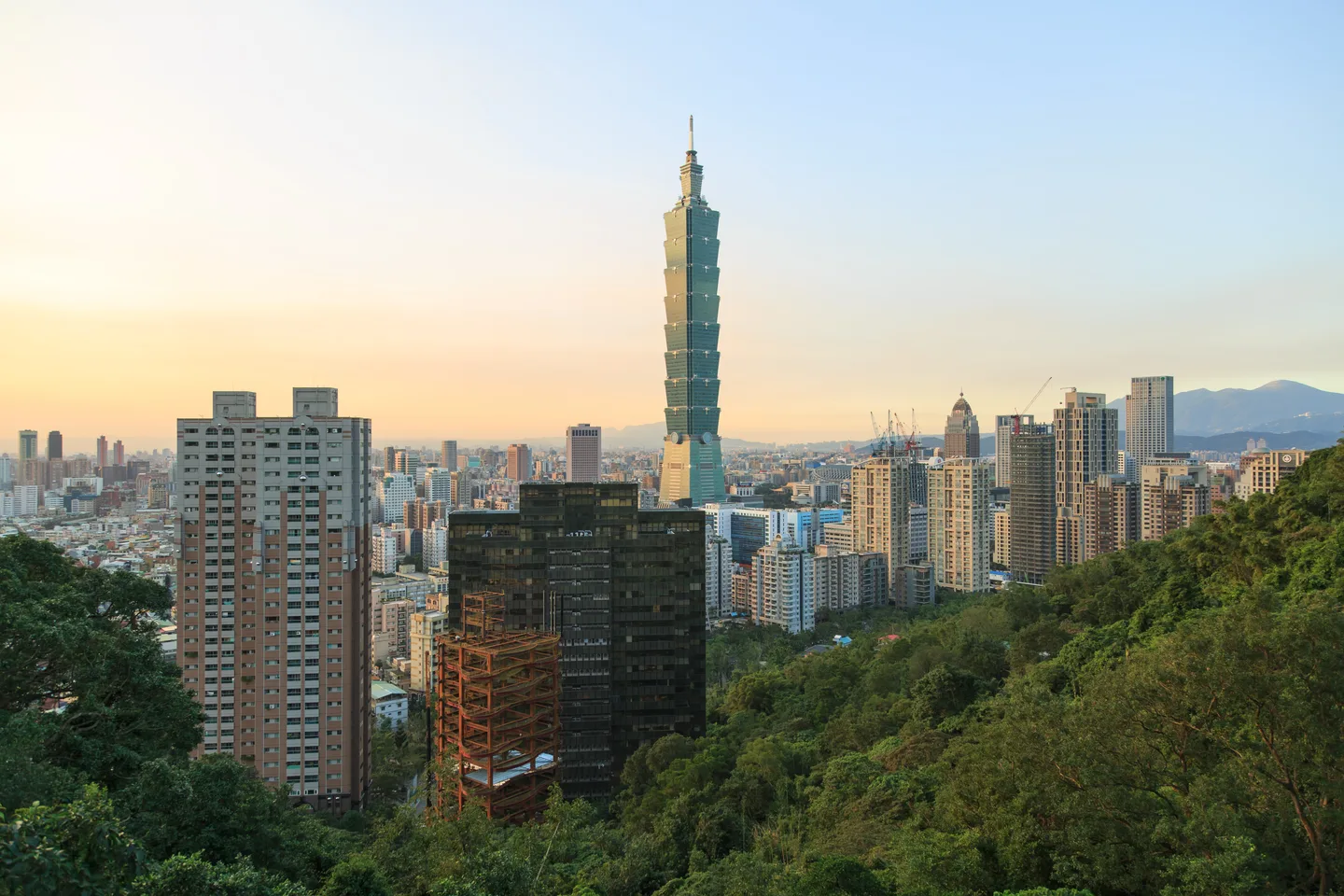
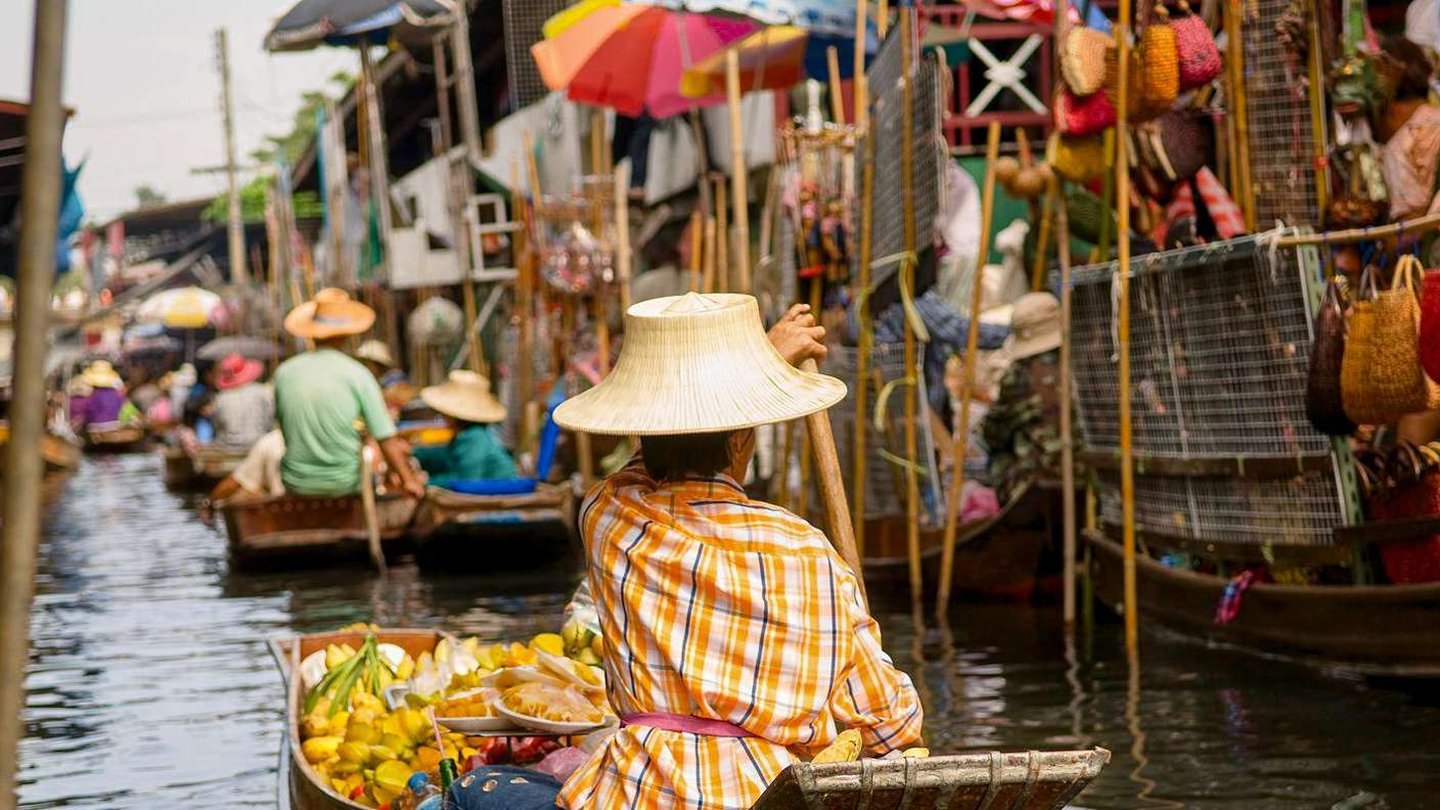
The other way to shrink your cash needs is to pay for the big-ticket items before you land — airport transfers, attraction entry and day tours settled online in your own currency, on your own card, with none of the airport-counter markup. That covers the Incheon airport express into Seoul, a Taipei 101 observatory ticket, a Bangkok floating-market day tour, and the eSIM you'll want for maps and payment apps that need data. Current platform prices for each are shown below.
Compare prices for related tickets


FAQ
Can I travel in Asia with no cash at all?
In South Korea, Singapore, Hong Kong and Macau, close to it — but not comfortably in Japan, Taiwan, Thailand, Vietnam or Indonesia, where small restaurants, markets and local transport still expect cash.
Is it better to exchange money at home or withdraw at an ATM there?
Withdrawing local currency at a destination ATM with a low-fee card usually beats both home exchange and airport counters. The exception is arriving somewhere with sparse ATM coverage, where a small starting float is worth having.
What is dynamic currency conversion and should I accept it?
Decline it. When a terminal or ATM offers to charge you in your home currency, the exchange rate is set by the operator rather than your bank, and it is nearly always worse than paying in the local currency.
How much cash should I carry per day?
Roughly one day of small purchases in card-friendly markets like Korea and Singapore, and two to three days' worth in Vietnam or Bali, where ATMs are concentrated in tourist areas. Top up frequently rather than carrying the whole trip's cash.
Do I need a local transit card, or is my contactless bank card enough?
A local transit card is still the safer choice in Japan, Korea, Taiwan and Hong Kong, where it also works at convenience stores and vending machines. Contactless bank cards are accepted on some networks but coverage is uneven.
Sources
More guides
- Money & Exchange · 2026-08-22Singapore & Malaysia Money 2026: Exchange, ATMs & Cards
- Money & Exchange · 2026-08-10Thailand Money 2026: Exchange, ATM Fees & Cash vs Card
- Money & Exchange · 2026-08-05Japan Money Exchange 2026: Airport vs City vs ATM
- Money & Exchange · 2026-07-25Where to Exchange Money in Seoul (2026): Best Rates