
Japan Typhoon Season 2026 — Should You Cancel? (Risk Map)
Updated: 2026-08-02
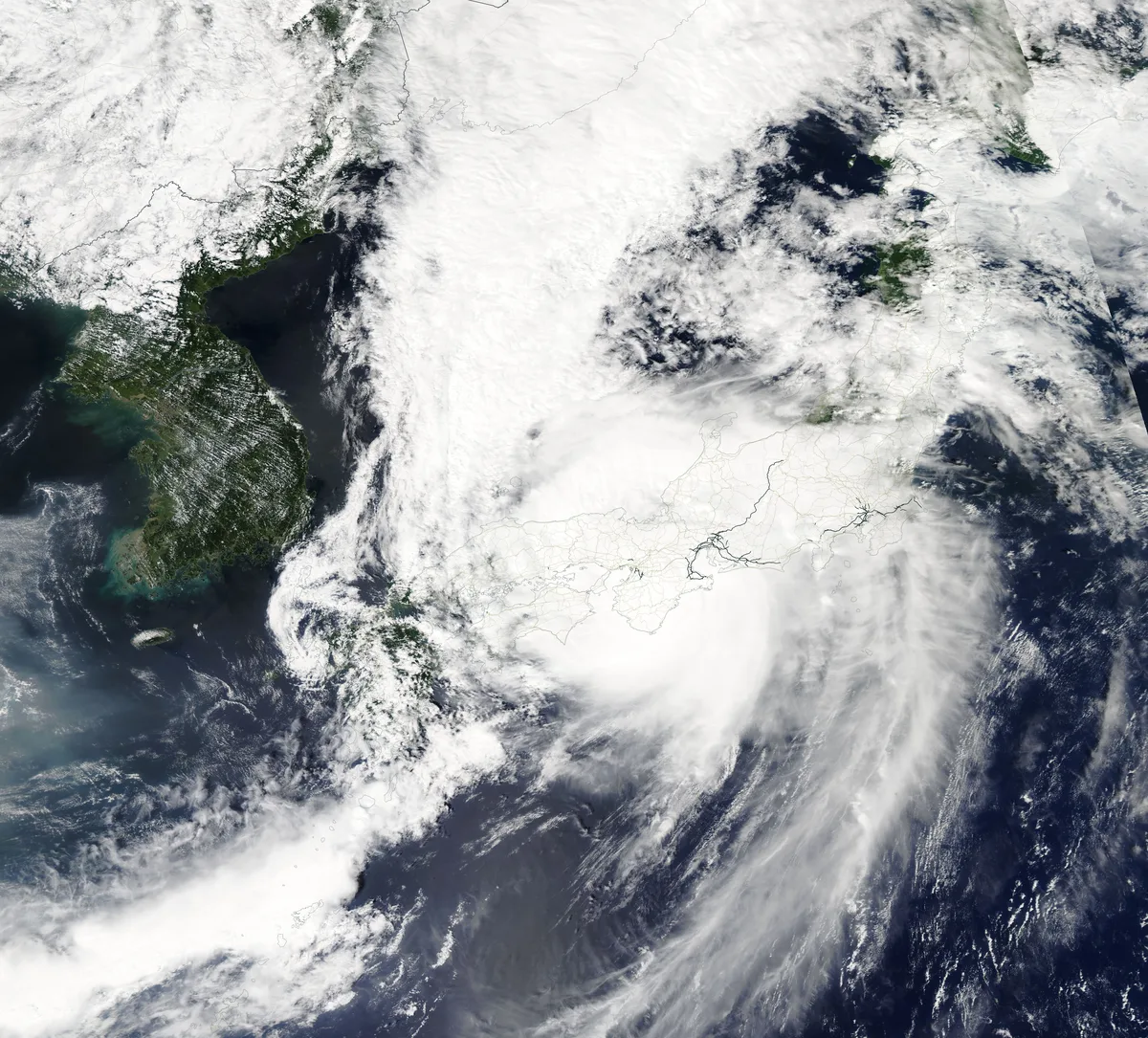
No, don't cancel by default. Most Japan trips run normally through typhoon season — the real move is booking flexible fares and building in 1–2 buffer days if you're in Okinawa or Kyushu during August or September, the two peak months. Risk drops sharply the further north you go. Compare your route in the table below, then check how to read a JMA warning before you decide anything.
Typhoon Risk by Region: Aug–Oct 2026
Japan's typhoon season runs roughly May–October and peaks in August–September, with the south taking the brunt. Per JMA's 1991–2020 climate normals, Okinawa averages ~7.7 typhoon approaches a year — the most of any prefecture — concentrated in August (avg. 2.2) and September (avg. 1.9). Exposure falls off fast moving north.
| Region | Exposure | Main risk | Aug–Sep–Oct trend | Recommended move |
|---|---|---|---|---|
| Okinawa | High | Flights/ferries frequently delayed or cancelled | Peak Aug–Sep, still active into Oct | Refundable fare + 1–2 buffer days |
| Kyushu (Fukuoka, Kagoshima, Miyazaki) | High–Medium | Direct landfall common; train/ferry suspensions | Usually 1–2 direct hits per season, mostly Aug–Sep | Same as above; watch JR Kyushu alerts |
| Kansai (Osaka/Kyoto/KIX) | Medium | Airport access disruption — KIX sits low and has flooded before; commuter rail suspensions | Occasional direct or glancing hits, mainly Aug–Sep | Avoid tight connections through KIX |
| Tokyo / Kanto | Medium | Planned commuter-rail suspensions ahead of a storm; occasional direct hits, especially Sept | Lower frequency than the south, not rare | Build schedule slack around any forecast approach |
| Tohoku | Low–Medium | Heavy rain/flooding from weakening storms more than wind | Mostly late-season (Sept) remnant rain | Watch rain warnings more than wind warnings |
| Hokkaido | Low | Rarely a direct hit; remnant rain/wind possible | Occasional Aug–Sep brush | Least planning needed of any region |
- Private forecasters are flagging an above-normal number of approaches for August 2026, with elevated risk specifically for eastern Japan; September typically brings fewer storms but sometimes stronger ones. Treat this as a planning signal, not a booking rule — it can still shift week to week.
- If your dates fall outside Aug–Sep, exposure is meaningfully lower everywhere, including Okinawa.
How to Read a JMA Typhoon Warning
Japan Meteorological Agency (JMA) issues warnings in tiers — know which one you're looking at before you act.
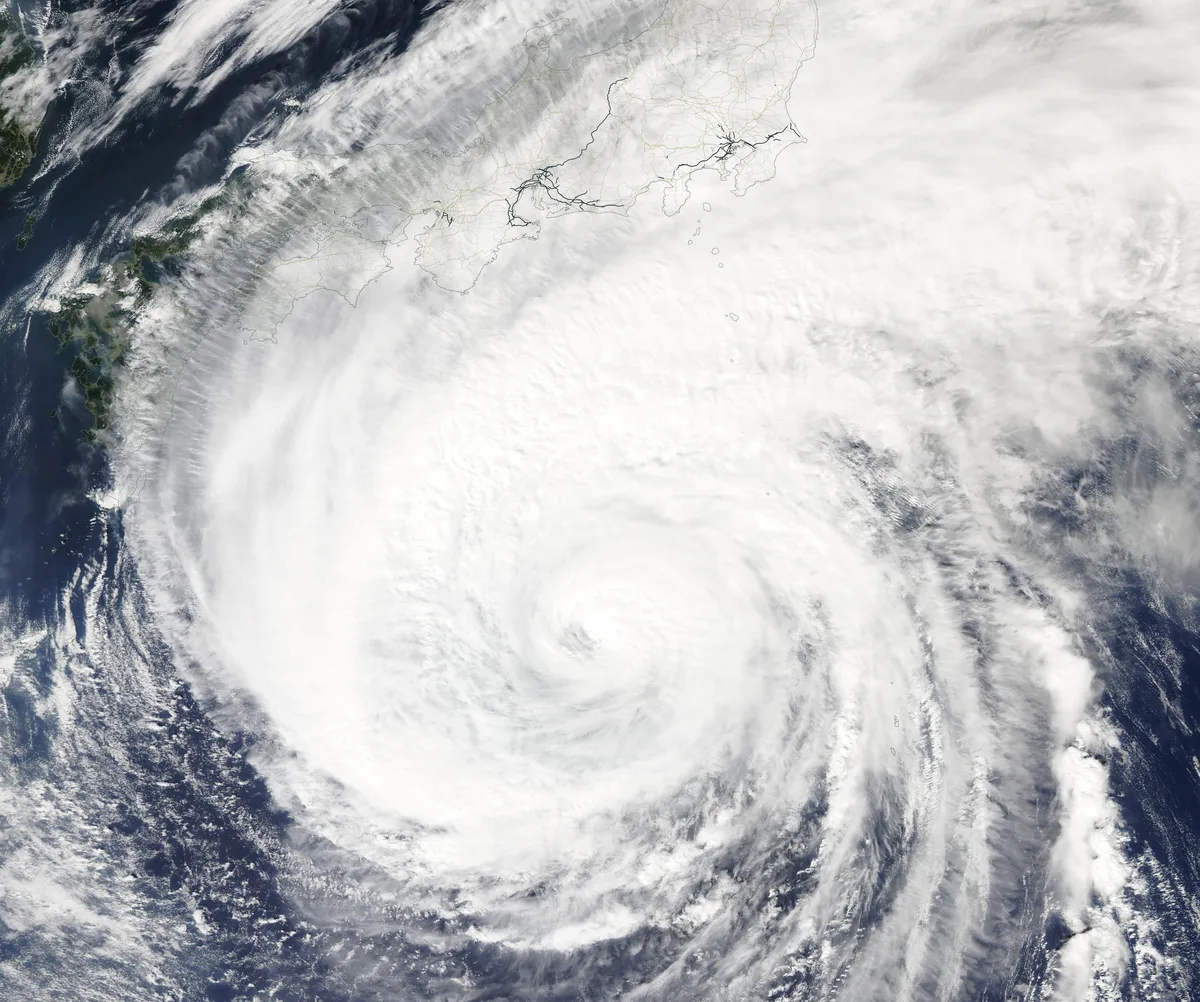
- Warning (警報, keihō) — strong winds, heavy rain, or high waves expected; take protective action.
- Storm Warning (暴風警報, bōfū keihō) — issued when destructive winds are expected within roughly 6 hours.
- Special Warning (特別警報, tokubetsu keihō) — the top tier, reserved for catastrophic damage; this is what triggers evacuation orders.
Track live typhoon position and active warnings on JMA's map (linked in Sources below) — it updates faster than most third-party trackers.
Should You Cancel? Refund, Rebooking & Insurance Logic
- Flights: airlines flying to/from Japan typically offer free rebooking or a refund once *they* cancel or issue an irregular-operations notice — not just because a typhoon is forecast for your travel week. Don't cancel 5+ days out on a forecast alone; wait for the airline's own notice, then use the free-change window if offered.
- Travel insurance: typhoon cover usually only applies if you bought the policy before the storm was named or officially forecast — check your policy's "known event" cutoff date before assuming you're covered. alvin.travel doesn't sell insurance directly; buy it separately, and buy it early in your trip-planning window, not after a typhoon is already in the news.
- Trains: JR and private rail operators publish planned suspensions (計画運休) ahead of a confirmed direct hit, usually the day before — check the operator's site, not just JMA, for your specific route.
Staying Connected During Disruptions
Hotel wifi and cell signal can get patchy during a storm — have a working data connection before you land, not after.
- Install JMA's warning map and your airline/rail operator's app before departure.
- An eSIM keeps you online for live JMA alerts and rail status pages if hotel wifi drops.
- Japan Unlimited Data eSIM — self-tracked lowest observed price $0.49 (₩741) via KKday, as of 2026-07-12. Check the live product page for current plans and coupons; per-platform plan terms vary.
- Yahoo! Japan's disaster alert service and NHK's app both push Japanese-language warnings faster than most English trackers — worth having even if you don't read Japanese, since the push notification alone tells you something changed.
- If you're already in Japan when a warning is issued: move indoors, avoid coastal and riverside areas, and don't try to travel through an active Storm Warning zone even if your train is technically still running — service can be suspended mid-journey.
General information only — for your specific trip, confirm conditions with JMA, your airline, and your insurer directly.
Compare prices for related tickets

FAQ
Is it safe to travel to Japan during typhoon season?
Yes, for most of the country most of the time — a single typhoon usually affects a few days in one region, not the whole trip. Build in flexibility for late August and September, especially in Okinawa and Kyushu.
Which regions are safest in Aug–Oct?
Hokkaido and Tohoku see the lowest typhoon exposure of any Japanese region in this window, though Tohoku can still get heavy remnant rain in September.
Will my flight be refunded if a typhoon hits?
Only once the airline itself cancels the flight or issues an irregular-operations notice — a forecast alone doesn't trigger a refund or free rebooking.
Does travel insurance cover typhoon cancellations?
Only if you bought the policy before the typhoon was named or officially forecast — check your policy's "known event" cutoff date, since coverage usually excludes storms already in the news when you purchased.
Sources
More guides
- Stay Safe & Healthy · 2026-08-18Common Scams in Bangkok 2026: The Setups That Actually Work
- Stay Safe & Healthy · 2026-08-11Vietnam Tourist Scams 2026 — Taxi, Money & How to Avoid
- Stay Safe & Healthy · 2026-08-06Taiwan Typhoon Season 2026 — What Travelers Need to Know
- Stay Safe & Healthy · 2026-07-27Thailand Emergency Numbers & Hospitals Guide (2026)