
teamLab Planets vs Borderless: Which to Pick (2026)
Updated: 2026-07-12

Short answer: pick teamLab Planets TOKYO (in Toyosu) if you want the barefoot, wade-through-water, sensory-overload version that photographs like nowhere else; pick teamLab Borderless (in Azabudai Hills) if you'd rather wander a dark maze where the artworks drift from room to room and you can stay as long as you like. As of July 2026, Planets is the cheaper of the two on our tracked data — from $22.25 on Klook and $22.32 on GetYourGuide, versus $25.65 on Klook for Borderless — and it's also the one that sells out first. Both are timed-entry, so the real decision is which experience you want, then locking a slot early. The table below lays them side by side.
teamLab Planets vs Borderless at a glance
These are two different museums by the same collective, not two branches of one thing. Planets is the wet, barefoot, one-way walk-through in Toyosu; Borderless is the shoes-on, open-ended maze in Azabudai Hills. Here's the side-by-side.
| teamLab Planets TOKYO | teamLab Borderless | |
|---|---|---|
| Location | Toyosu — Shin-Toyosu Sta. (Yurikamome line) | Azabudai Hills — Kamiyacho / Roppongi-itchome |
| Concept | One-way immersive route; you wade through water | Open maze; artworks move between rooms |
| Barefoot / water | Yes — go barefoot, roll up your trousers | No — normal shoes throughout |
| Typical visit | About 60–90 minutes | About 90 minutes to 2.5 hours |
| Best for | First-timers, big photo wow, water lovers | Explorers, repeat visitors, longer stays |
| Cheapest tracked (July 2026) | $22.25 Klook / $22.32 GetYourGuide | $25.65 Klook |
| Official adult (date-variable) | ~¥3,600–¥4,800 | ~¥3,600–¥5,600 |
| Sell-out risk | Higher — often books out days ahead | High on weekends and holidays |
| Photo challenge | Wet feet, water reflections, low light | Dark rooms, moving projections |
(Reseller prices are our tracked data, checked July 2026: Planets Klook July 11, GetYourGuide June 21; Borderless Klook July 11. Official yen prices are date-and-time variable and were checked on the teamLab sites in July 2026 — your exact slot may differ.)
Planets: what the barefoot water walk is really like
Planets is built around your feet. You leave your shoes and socks in a locker at the entrance and spend the whole visit barefoot, which is the single most important thing to know before you go. One room has you wading through knee-deep water where projected koi swim around your legs and burst into flowers when you touch them; another is a mirror-floored hall of hanging lights. Because of the water, wear or bring shorts, or trousers you can roll well above the knee — long, non-rollable trousers are a genuine problem, and the venue lends wrap shorts if you're stuck.
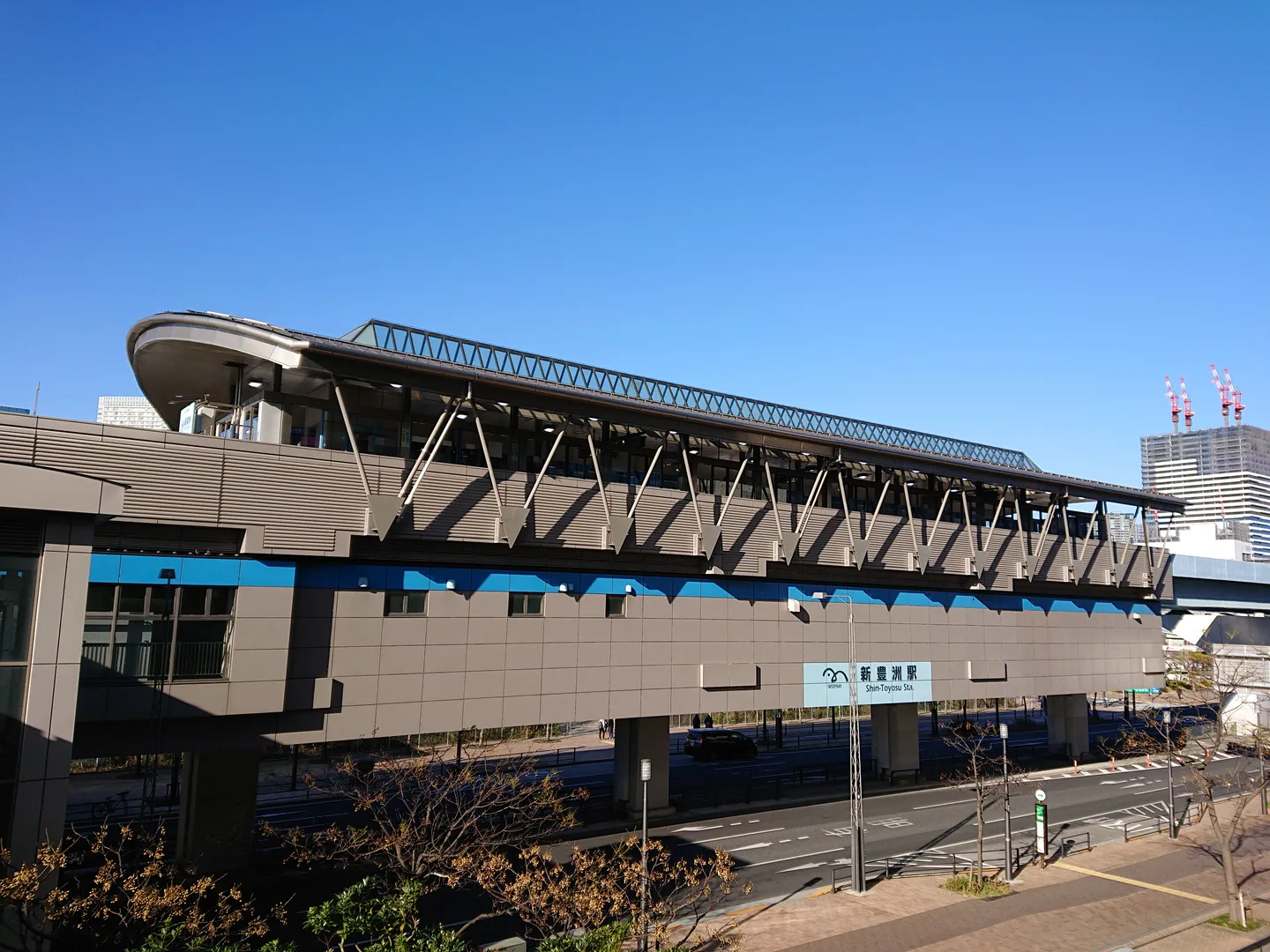
The route is one-way and takes most people 60 to 90 minutes at an unhurried pace. It's dark, the floors are wet in places, and phones survive fine but pockets don't love the splash — a strap helps. Planets also added an Athletics Forest and Future Park zone (opened January 2025) that's more playful and hands-on, which nudges it slightly toward families with active kids. Net: Planets is the more physical, more 'wow in 90 minutes' option, and the easier one to photograph for that one unreal shot.
Borderless: the Azabudai Hills version
teamLab Borderless reopened in Azabudai Hills in early 2024 (its original Odaiba home closed in 2022), and it plays completely differently from Planets. There's no set path. Artworks literally cross the walls between rooms, so you wander, double back, and stumble into spaces like Bubble Universe and the forest-of-lamps rooms without a map telling you where to go. Shoes stay on, there's no water walk, and there's no fixed exit clock — many visitors spend two hours or more, and repeat visitors say they find new rooms every time.
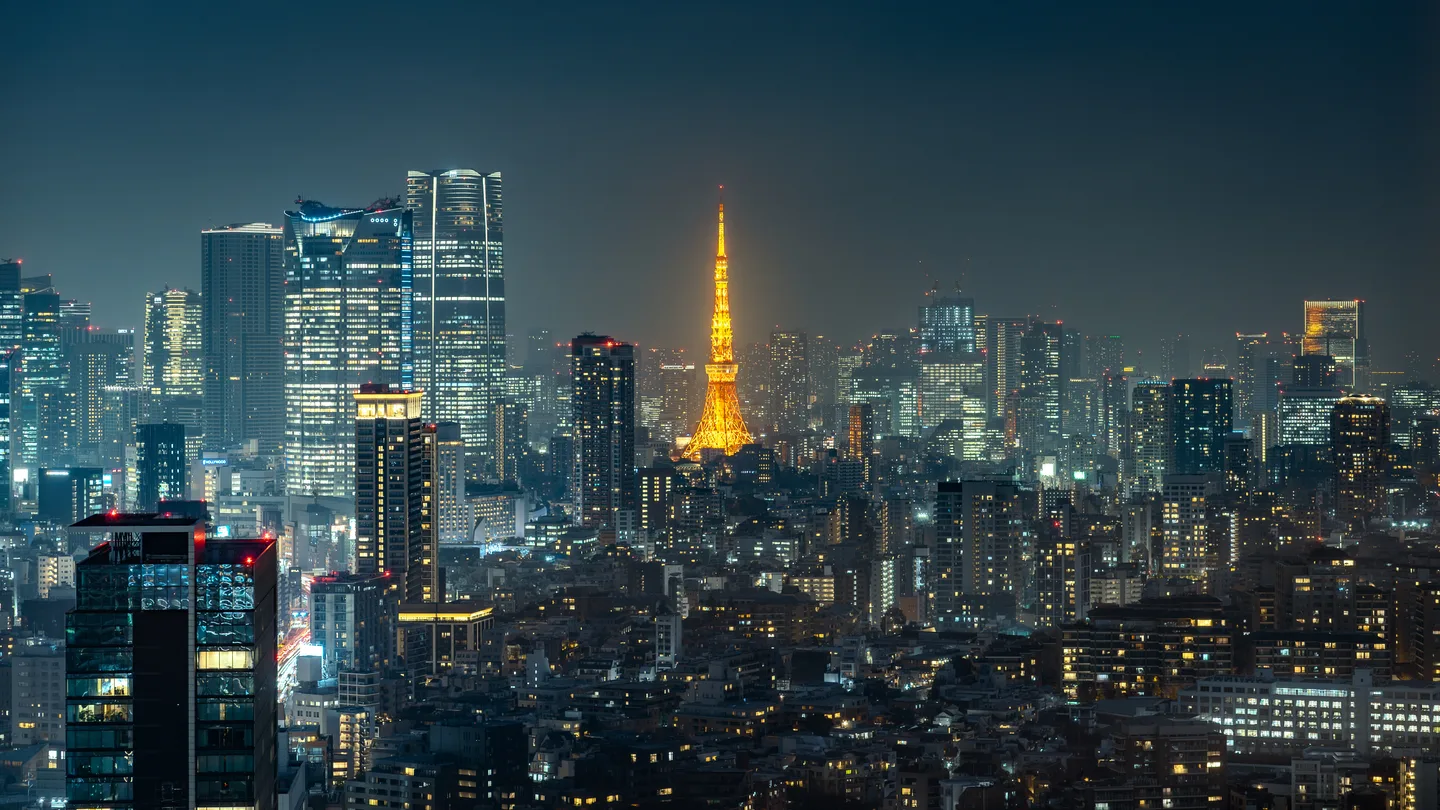
That freedom is the appeal and the catch. Borderless rewards curiosity and patience; if you want a tight, guided, in-and-out experience, Planets suits you better. If you'd rather get pleasantly lost and treat it as an afternoon, Borderless wins. It sits inside the Azabudai Hills complex near Kamiyacho and Roppongi-itchome stations, so it's easy to pair with a meal or the neighbourhood's other new attractions.
Tickets: prices, sell-outs and timed entry (July 2026)
Both museums use dated, timed-entry tickets — you book a specific day and entry window, and there is no general standby line to fall back on. That makes advance booking the whole game, especially for Planets.
On our tracked data, checked July 2026, here's where each sat:
| Ticket | Cheapest tracked | Platform | Checked |
|---|---|---|---|
| teamLab Planets TOKYO | $22.25 | Klook | Jul 11, 2026 |
| teamLab Planets TOKYO | $22.32 | GetYourGuide | Jun 21, 2026 |
| teamLab Borderless | $25.65 | Klook | Jul 11, 2026 |
For context, teamLab's own sites list adult tickets in yen that move with the date and time slot: roughly ¥3,600 up to about ¥4,800 for Planets, and ¥3,600 up to about ¥5,600 for Borderless (both checked July 2026; children and under-3 rates differ, under-3s free). At a mid-2026 exchange rate those official yen prices land close to the reseller USD figures, so you're mostly choosing on currency, language support and convenience rather than a big price gap.
Two patterns to plan around. First, Planets sells out more aggressively — popular days and evening slots can be gone several days ahead, and it's frequently the search that returns 'sold out' first. Second, weekend and holiday slots at both go early. Book as soon as your date is fixed, pick a weekday morning or late-evening slot if you have flexibility, and confirm the live price card before checkout — these numbers move, and any coupon-applied discount shows up there.
Can you do both in one day?
Yes, and plenty of people do — but treat it as a genuine half-day-plus commitment, not a casual add-on. Planets in Toyosu and Borderless in Azabudai Hills are on opposite-ish sides of central Tokyo; the trip between them runs roughly 30–45 minutes by train depending on connections (Yurikamome from Shin-Toyosu, then a subway line toward Kamiyacho / Roppongi-itchome).
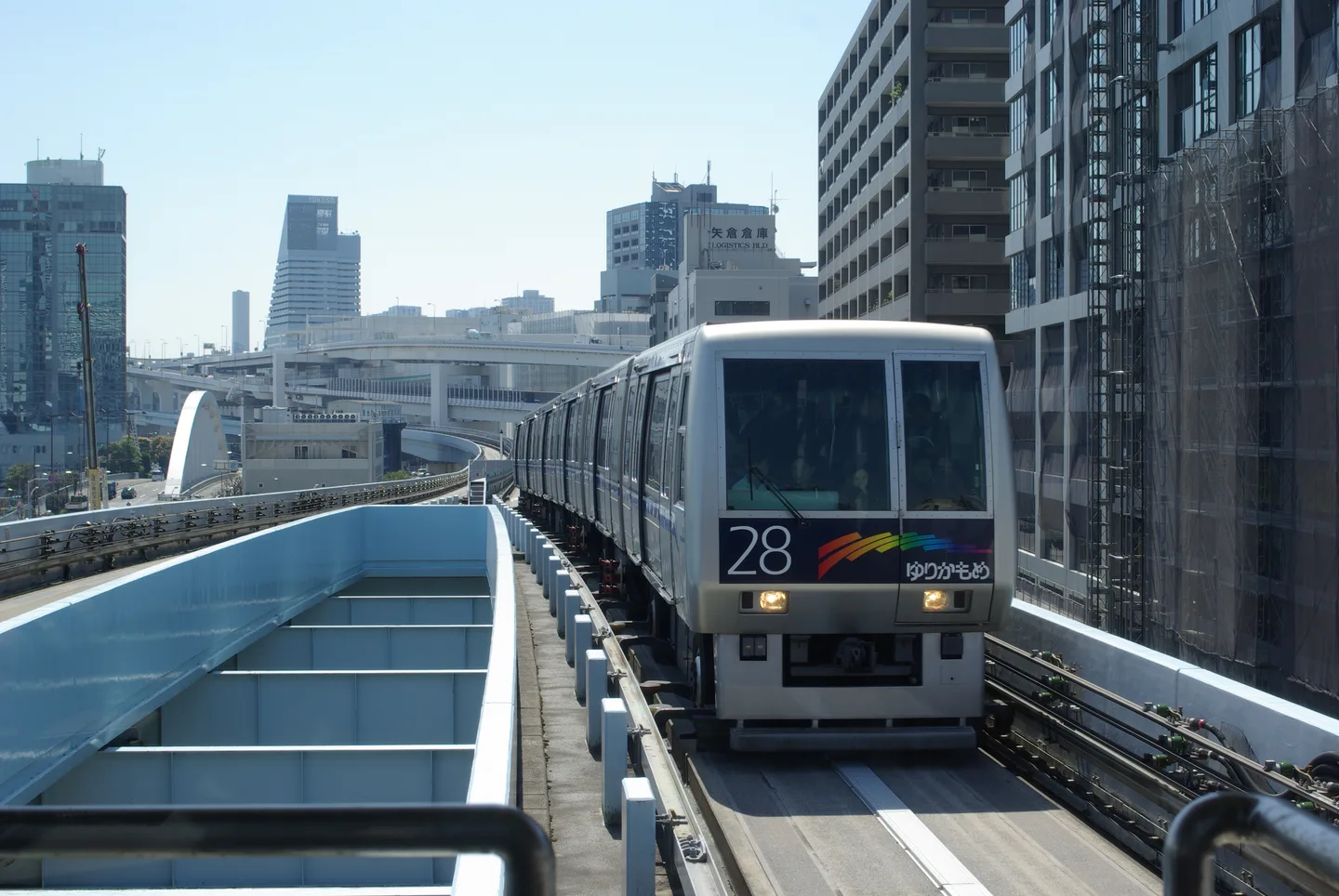
The workable plan is an early Planets slot (it's the shorter visit at 60–90 minutes, and the barefoot-plus-water logistics go smoother when you're fresh), lunch in between, then an afternoon Borderless slot where the open-ended format lets you slow down. Because both are timed entry, you're really booking two fixed windows with travel and a meal wedged between — leave a comfortable 2.5–3 hour gap so a late Planets exit or a train delay doesn't cost you your Borderless slot. If that sounds rushed, split them across two days; neither is improved by hurrying.
Getting around: a Tokyo Subway 24/48/72-hour pass covers most of the hops for a day like this, and mobile data keeps your timed-entry QR codes and maps handy on the move.
Book the tickets and the getting-around
Both museums are timed-entry and sell out, so the move is to lock your slot first, then sort transport and data. These cards pull live, coupon-applied prices so you can compare in one place — the two teamLab tickets, a subway pass for the cross-town hop, plus a Shibuya Sky pairing and a Japan eSIM for booking slots on the go.
- teamLab Planets TOKYO (Toyosu) — the barefoot water walk; cheaper of the two and the faster to sell out.
- teamLab Borderless (Azabudai Hills) — the shoes-on maze; longer, open-ended visit.
- Tokyo Subway Ticket (24/48/72h) — covers the Toyosu-to-Azabudai hop and most Tokyo sightseeing that day.
- SHIBUYA SKY Ticket — an easy same-day pairing if you want a skyline view to bookend the digital art.
- Japan Unlimited Data eSIM — keeps your timed-entry QR codes, maps and last-minute rebooking live while you're out.
Compare prices for related tickets


FAQ
teamLab Planets or Borderless — which is better for kids?
Both work, but differently. Planets is more physical and playful — barefoot, water to splash in, and the newer Athletics Forest / Future Park zone, which active kids tend to love; just note the water, low light and lockers add logistics, and strollers are awkward. Borderless keeps shoes on and has no water, so it's calmer underfoot, but its open maze and long visit can tire younger children. For toddlers, Planets' Future Park is the more engaging pick.
Do teamLab tickets sell out?
Yes, regularly. Both museums use dated, timed-entry tickets with no standby line, and popular days sell out in advance — Planets is usually the first to go, sometimes days ahead for weekends and evening slots. Book as soon as your date is set, and if a slot shows available at a price you like, take it rather than waiting.
How long does each teamLab museum take?
Plan about 60–90 minutes for Planets, which is a one-way route, and roughly 90 minutes to 2.5 hours for Borderless, which is an open maze you can explore at your own pace. If you're doing both in one day, leave a 2.5–3 hour gap between your timed slots for travel and a meal.
Is teamLab Planets closing?
Not soon. teamLab has said Planets in Toyosu is scheduled to run through the end of 2027 (checked July 2026) — an extension of an earlier planned closing date. It has been extended more than once since opening in 2018, so further extensions are possible, but there is no announced closure before end-2027. Always confirm current dates on teamLab's official site.
Which teamLab is cheaper, Planets or Borderless?
Planets, on our tracked data as of July 2026: from $22.25 on Klook and $22.32 on GetYourGuide, versus $25.65 on Klook for Borderless — roughly a $3 difference. Official yen prices vary by date and entry time, so check the live card for your exact slot before booking.